What to pack for Sar Pass Trek? A complete packing guide.
Sarpass is not just a trek, it is a test of preparation, snow crossings, alpine camps, long walking hours and unpredictable mountain weather. What you pack can decide whether this journey feels magical or miserable.
In this video, we will break down everything you need to carry for the Sar Pass Trek. We have divided into three simple categories, basic trek essentials, clothing essentials and personal utilities. So pack smart, walk lighter and trek stronger.
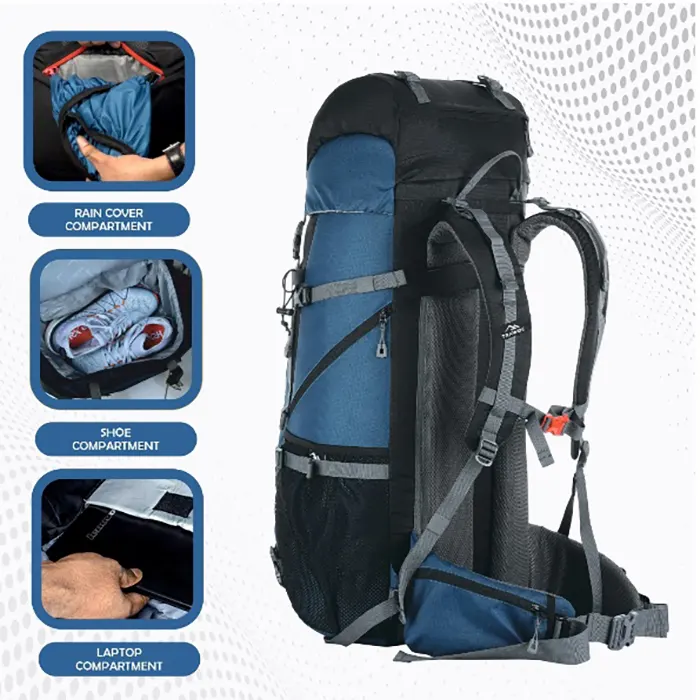
Basic trek essentials, backpack 60-70 litres. A well-fitted backpack will be the foundation of your Sar Pass experience. Since the duration is 5 days, the trek involves long walking hours and continuous elevation gain.
So we recommend a 60-70 litre rucksack that has chest and waist straps, so that you could trek without straining your shoulder or lower back. A rain cover is essential as sudden snowfall or rain is common in the higher extents. Poncho or raincoat.
Weather in the Himalayas can change without warning. A poncho or raincoat protects you and your backpack from rain or snowfall. Staying dry directly impacts body temperature, energy levels and overall comfort during continuous trekking hours.
Make sure to buy the poncho which covers your rucksack also. Trekking shoes. Sar Pass features mixed terrain including forest trails, rocky paths, snow fields and slippery downhill slopes.
High ankle trekking shoes provide ankle support and reduce the risk of injury, while a strong grip ensures stability on snow and loose gravels. Waterproof shoes keep your feet dry, preventing blisters and cold-related issues. Trekking pole.
Trekking poles significantly reduce pressure on your knees, especially during long descents after the Sar Pass summit. They also improve balance while crossing snow patches and steep sections. For Sar Pass where snow slides and uneven terrain are common, poles improve both safety and endurance.
Headlamp or torch. Early morning start and low visibility conditions are part of high altitude trekking. A headlamp allows hand-free movement during summit pushes or camp activities after sunset.
Clothing essentials. Headwear. Headwear such as sun cap or woolen cap plays a vital role in temperature regulation.
During the day, the sun cap protects from direct sun exposure and woolen cap during morning and evening. On Sar Pass trek, where sun and cold co-exist, so both become essential. Two quick-dry t-shirts.

Quick-dry t-shirts are designed to manage sweat during long ascents. Unlike cotton, they dry quickly and prevent chilling once the body cools down. Especially important on Sar Pass, where exhaustion levels remain high throughout the day.
At Sar Pass trek, three layers of warm clothes are essential. Thermal. Your first layer will be thermal.
Thermal acts as a heat-retaining layer in cold conditions. On Sar Pass, night temperatures can drop below freezing, making thermal necessary for sleeping comfortably and maintaining core warmth during nights. Fleece.
A fleece works as an insulation layer between your base and outer layers. It provides warmth without excessive weight and is ideal for evening camp time or cold trekking sections. Down or padded jacket.
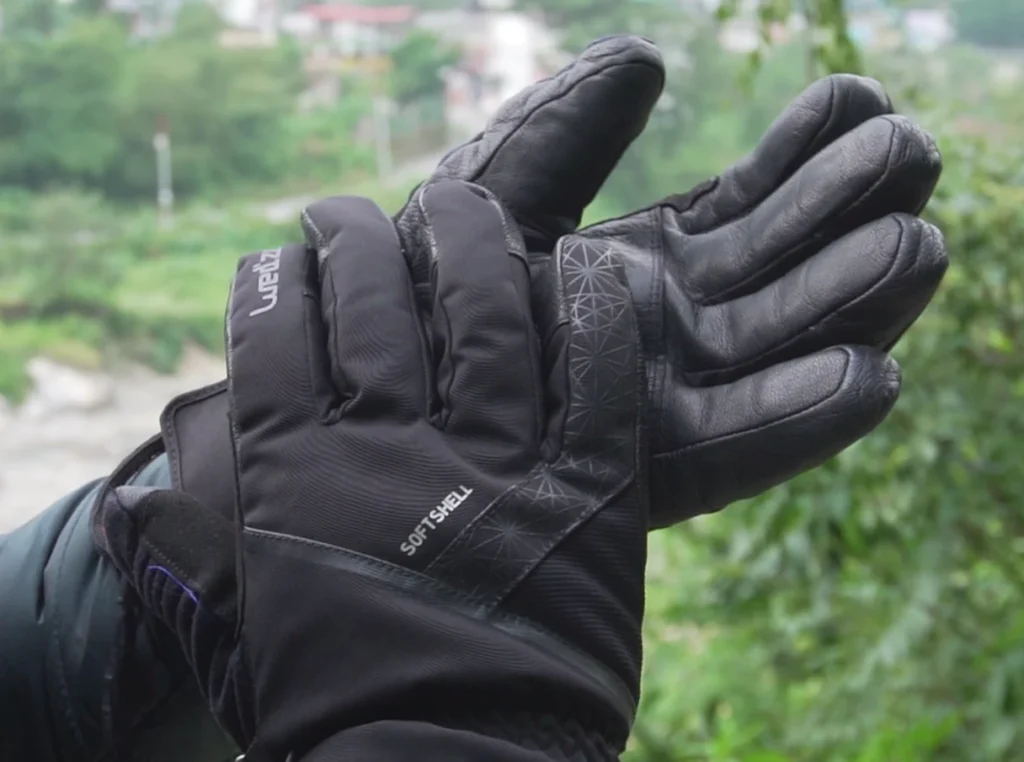
A down or padded jacket is crucial at higher camps and during summit days. Lightweight yet highly insulating, this layer protects against extreme cold and wind chill commonly experienced near the pass. Gloves.

Gloves protect your hands from cold winds and snow contact. On Sar Pass, exposed hands can quickly lose warmth, affecting grip and comfort, especially while using trekking pole or walking on snow-covered section. Thermal lower.
Provide insulation for the legs during cold nights and early mornings. Since lower body heat loss can affect overall comfort and sleep quality. Two-trek pants.
Having two trekking pants allow rotation in case one gets wet due to snow or rain. Quick dry pants maintain flexibility and comfort while trekking through varied terrain on Sar Pass. Socks.
We recommend having two types of socks, cotton during the day and woolen for the nights. Carrying multiple pairs of socks ensures foot hygiene and warmth. Dry socks prevent blisters and cold-related discomfort, especially after long walking hours on snow exposure.
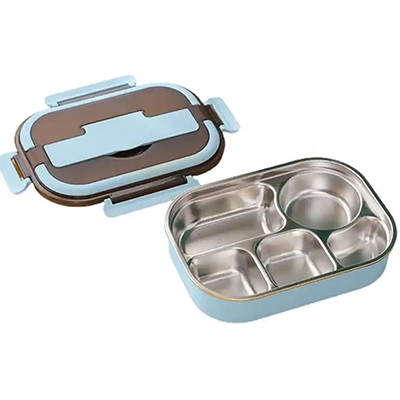
Personal utilities. Lunch box. A reusable lunch box helps carry packed meals safely without spillage.
It also promotes responsible trekking by reducing waste on the trail. Make sure your lunch box has two partitions so you could easily organize your food. Toilet paper roll.
Toilet facilities in high-altitude camps are basic and often shared. Our camps have dry toilet tents where water availability is limited. So, carrying your own toilet paper is essential for maintaining basic sanitization and personal comfort.
Soap and hand wash. Maintaining hand hygiene is critical on multiple day treks to prevent illness. Soap or liquid hand wash helps keep your hands clean before meals and after washroom use.
Toothbrush and toothpaste. Basic oral hygiene contributes to overall comfort and freshness, especially on long treks where personal care routine helps maintain morale. Sanitizer.
Hand sanitizer provides an additional layer of protection in situations where water is not available, especially before meals or after using shared facilities. Extra hand towels. Small hand towels are useful for face and hand cleaning during the day.
And lastly, photo ID proof. Photo ID proof is mandatory for trek registration, permits and safety records. Carrying valid identification ensures smooth entry and accountability during the trek.
To conclude, Sar Pass is a high-altitude adventure that demands respect for preparation. Every item you pack plays a role in safety, comfort and performance. Pack thoughtfully, trek responsibly and the mountain will reward you. Once your packing is complete, you can complete your Sar Pass Trek booking for your preferred dates.