History of Valley of Flowers: The Himalayan Paradise That Captivated the World
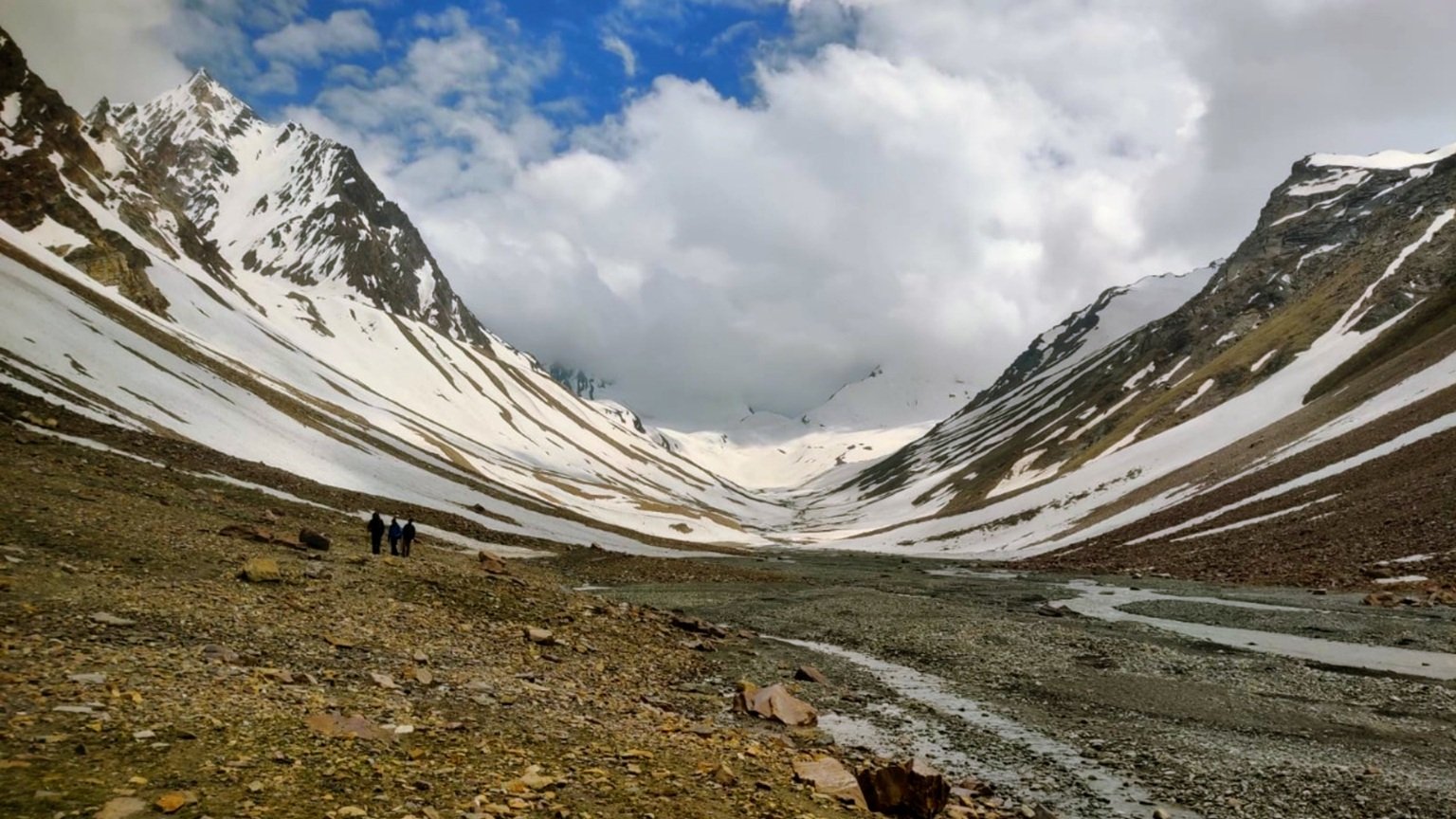
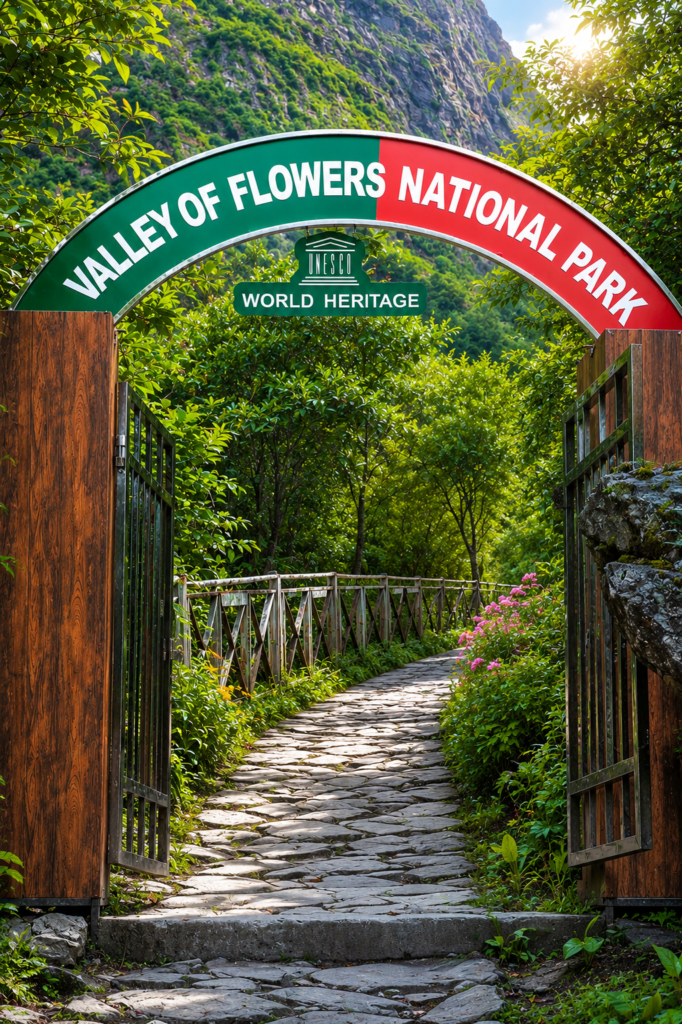
Hidden in the majestic Himalayas lies a valley so enchanting that it left its discoverers in awe and made them return to document its beauty. It is like a painting painted by God himself. A place full of vibrant flowers, pristine landscapes and a timeless beauty. Spread across nearly 87 sq km in the Chamoli District of Uttarakhand the valley of flowers is a UNESCO World Heritage site. Every monsoon this valley awakens with more that 500 species of alpine flowers transforming the landscape into a breathtaking carpet of colors.But behind this natural wonder lies a fascinating history of exploration, discovery, and conservation.

The Discovery of Valley of Flowers
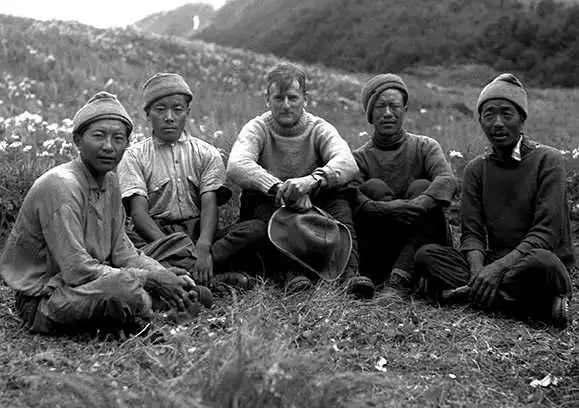
In the early 1900s the climbing wars began among powerful nations, The British and Germans shifted their focus to explore and conquer the mighty peaks of the Himalayas to claim their superiority. In one such attempt a British Expedition team led by Frank smyth discovered this magical land in 1931 while returning from climbing Mt. Kamet which back then was the highest peak ever climbed the team lost its way due to bad weather and stumbled upon a vast meadow filled with colorful alpine flowers. Captivated by its beauty Frank Smyth returned in the monsoons of 1937 with a team of 4 Tibetans from Darjeeling. He spent 3 months in the region and 6 weeks in the Valley. During his stay he extensively explored the valley and also scaled the nearby Nilgiri and Mana Peak. They also attempted to climb mount Rataban but were defeated by the mighty mountain. He returned with his knowledge and wrote a book named “The Valley of Flowers”. This is how the valley of flowers was introduced to the outside world, before that it was known as Bhyundar Valley.
Contribution to Botanical Research
In 1939 following Frank Smythe’s work, Joan Margaret Legge from the Royal Botanic Gardens visited the valley to collect flower specimens for further studies. Unfortunately during her expedition she tragically slipped on a rocky slope and lost her life. Even today you can visit her grave which is a memorial of her contribution to the botanical research.
Valley of Flowers as a National Park and UNESCO Heritage Site
In 1982 the govt. of India declared the valley of flowers as National park to protect its fragile ecosystem.
In 2005 it was inscribed as a UNESCO World Heritage site recognizing its outstanding natural beauty and global significant biodiversity.
Today, the Valley of Flowers is known as the most celebrated destination. Every year during monsoons thousand of trekkers, photographers and researchers visit Valley to explore its spectacular floral display.
Hemkund Sahib: A Spiritual Experience Along the Valley of Flowers Trek
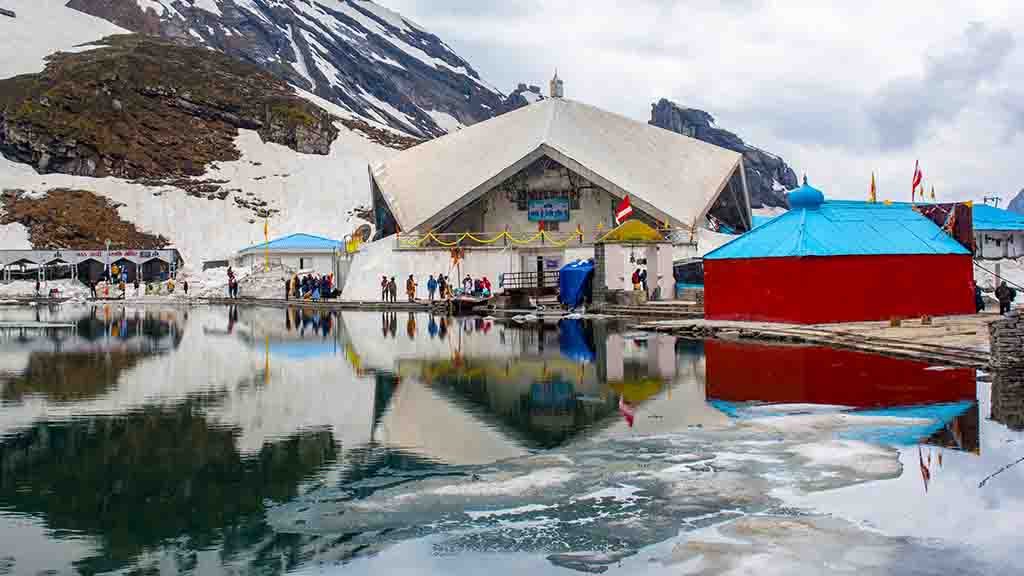
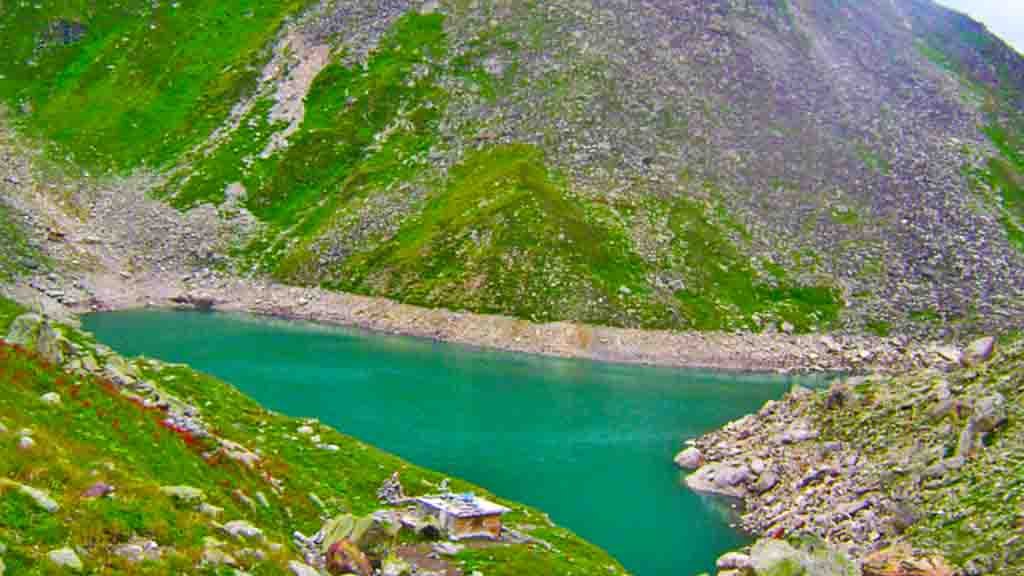
Another spectacular experience offered on this trek is the visit to Hemkund sahib, which is the World’s highest Gurudwara. Nestled at an elevation of 4329 m above sea level, just beside a pristine Glacial lake. Hemkund offers a spiritual experience along with the wonders of nature. Rare Flowers like Brahmakamal and Blue poppy bloom around the slopes on the way to Hemkund. The name Hemkund means Lake of snow a fitting tribute to this Himalayan Landscape. It also has a Lakshman temple which is among very few temples dedicated to Lord Lakshman. It is said that Lakshman meditated here after the Battle of Lanka. Hemkund sahib and Lakshman Temple are visited by many pilgrims on the same journey.
This journey to Valley of Flowers and Hemkund Sahib is going to be one of the most memorable journeys of your life.