



Environmental
Policy.
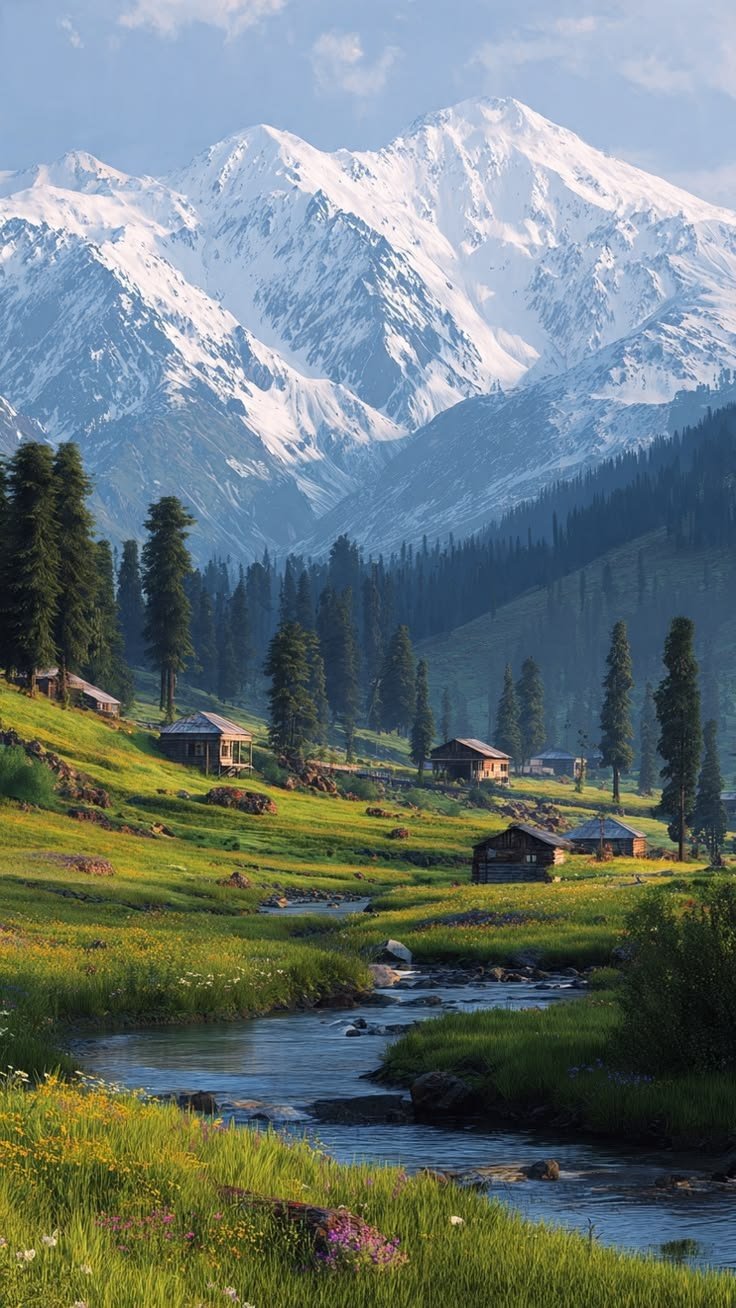
Our strict commitment to protecting the Himalayas. We believe that enjoying the mountains comes with the responsibility of preserving them.
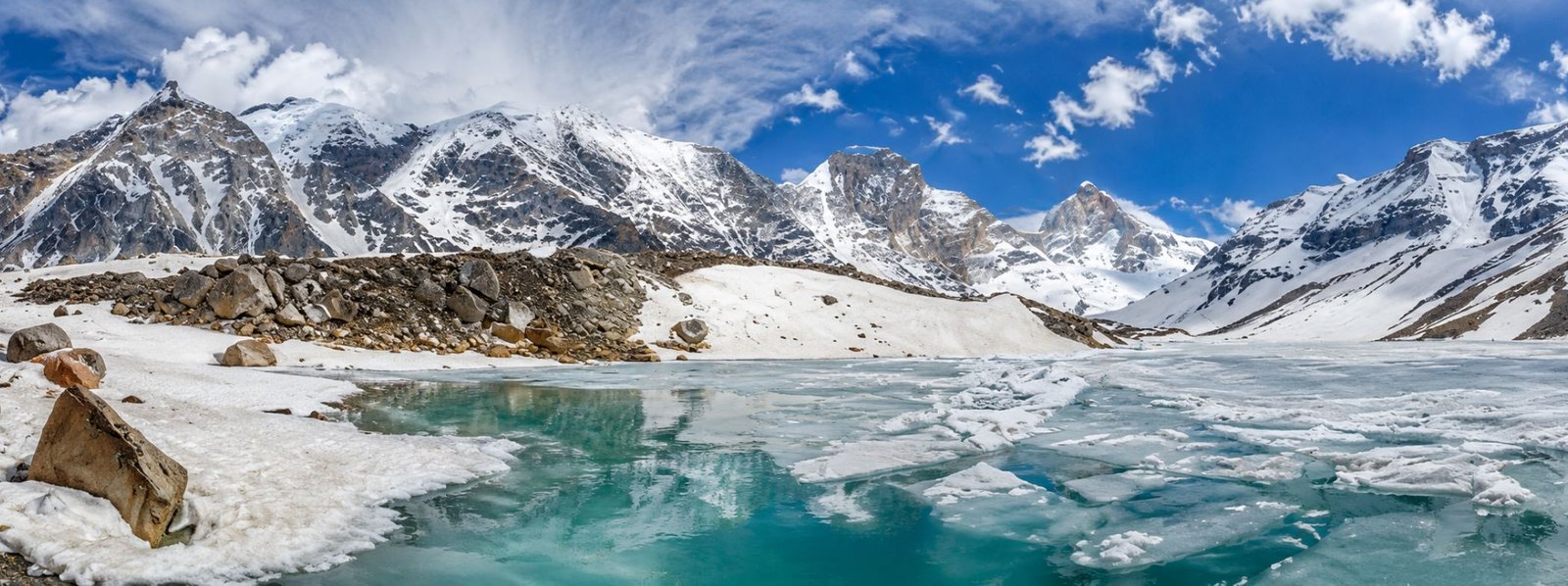
Protecting Himalayas
We are committed to protecting the Himalayan environment and promoting responsible and sustainable tourism. We recognize our responsibility to minimize environmental impact, conserve natural resources, and preserve mountain ecosystems for future generations.
Through responsible travel practices, waste management, and environmental awareness, we encourage our trekkers and team members to take an active role in protecting the natural beauty of the Himalayas.
Our Eco-Guidelines
Leave No Trace Policy
We encourage all trekkers, trek leaders, guides, and support staff to follow Leave No Trace principles throughout their journey. Everyone must stay on designated trails, avoid damaging plants, respect wildlife, and leave natural surroundings undisturbed.
Trekkers must not throw waste, write on rocks or trees, disturb animals, or damage the natural landscape. We believe that enjoying the mountains comes with the responsibility of preserving them.
Waste Reduction
We encourage all trekkers and team members to follow responsible environmental practices throughout the journey to protect the natural beauty of the mountains.
Trekkers are advised to carry reusable water bottles and minimize waste.
Use Biodegradable Toiletries
Opt for organic, chemical-free soaps and toothpastes. Chemicals leach into mountain streams, harming local wildlife and villages downstream.
Use only biodegradable toiletries to minimize environmental impact. Wet wipes are strictly prohibited in toilet tents. Only biodegradable toilet paper and dry tissues are permitted.
Respect Local Culture & Wildlife
All participants must respect local cultures, wildlife, and natural habitats. Observe birds and animals from a distance. If you are interacting with locals or visiting a temple, embrace the local customs and dress modestly.
Trekkers must also respect wildlife by maintaining a safe distance, avoiding feeding animals and never damaging plants or natural habitats. Avoiding unnecessary noise, and leaving the surroundings clean, everyone can help preserve the natural beauty and cultural heritage of the mountains for future generations.
No Littering Policy
Never throw wrappers, fruit peels, or cigarette butts on the trail or around the campsite. If you pack it in, pack it out!
All waste should be collected and carried back until it can be disposed of properly at designated waste disposal points. This simple practice helps keep trekking trails clean, protects wildlife, and preserves the beauty of nature for future trekkers.
Avoid Single-Use Plastics
Avoid bringing single-use plastic items such as plastic-wrapped wet wipes, plastic cutlery, and non-recyclable snack packaging on the trek. Instead, carry reusable alternatives like cloth napkins, reusable cutlery, and refillable containers.
Always choose eco-friendly products wherever possible to keep trekking trails and campsites clean and protect the environment for future generations.
Avoid Playing Loud Music
Avoid playing loud music on Bluetooth speakers or other devices while trekking or staying at campsites. The mountains are filled with natural sounds.
Loud music can disturb wildlife, affect the peaceful surroundings, and cause discomfort to fellow trekkers. Keep the volume low or use headphones when appropriate, and respect the natural silence of the mountains. This helps preserve the peaceful environment.
Do Not Spoil Nature
Avoid carving names, writing messages, or drawing on trees, rocks, or historical structures during the trek. Such activities damage natural surroundings, harm trees, and spoil the beauty of the mountains.
They can also damage places of cultural or historical importance and disturb the local ecosystem. Respecting nature helps preserve the beauty of the mountains.
Avoid Wasting Natural Resources
Water is limited in high-altitude regions. Use campsite water carefully, avoid leaving taps running, and do not waste water while washing.
Firewood is difficult to obtain in mountain regions. Avoid unnecessary use of firewood.
No Bonfires Allowed
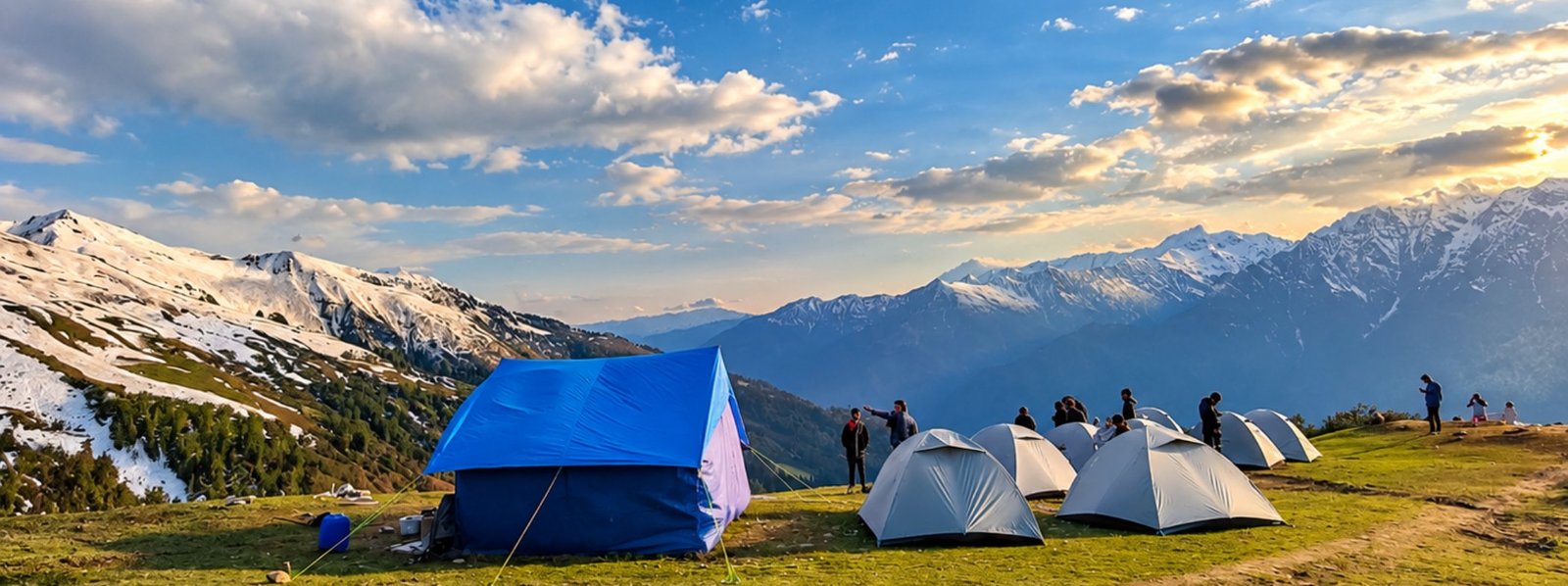
Lighting bonfires is not allowed at campsites or along the trekking trail. This helps prevent forest fires, protects plants and wildlife, and keeps the surroundings safe. Trekkers must follow the instructions of the trek team and avoid lighting fires in open areas. Always use designated cooking and heating facilities where available.
Alcohol Prohibition
The consumption of alcohol is strictly prohibited during the trek, especially while hiking or staying at high-altitude campsites. Alcohol can affect balance, judgment, and coordination, increasing the risk of slips, falls, and other accidents on challenging mountain trails. It may also contribute to dehydration. All trekkers must avoid carrying or consuming alcohol.