Things to Know Before Trekking to Valley of Flowers National Park
The Valley of Flowers Trek is one of the most beautiful and popular Himalayan journeys in India. Recognized as a UNESCO World Heritage Site, this high-altitude national park transforms into a vibrant paradise during the monsoon season. Trekkers, photographers, botanists, and nature lovers from around the world visit the valley to witness more than 550 species of naturally growing alpine flowers. Surrounded by snow-clad peaks, flowing rivers, and cascading waterfalls, the trek offers an unforgettable blend of adventure and serenity.
If you are planning to explore this magical destination, here are some essential things you should know to make your journey smooth and well-prepared.
01. Best Time to Visit:
Timing plays a crucial role in experiencing the valley at its best. The park usually opens on 1st June and remains accessible until mid-October.
June:
Although the valley opens in early June, the first half of the month is not ideal for flower sightings. Blooming begins after the monsoon showers arrive, so visiting after mid-June is recommended. During this time, you may see around 40–50 flower species.
July:
July is one of the best months for the trek. The trails are relatively less crowded, and most flowers are in full bloom. Trekkers can easily spot 70–80 varieties, including Himalayan Balsam, Potentilla, Blue Poppy, Brahmakamal, fleece flowers, and Polygonum. Geranium is among the most dominant blooms during this period.
August:
August also offers peak blooming conditions, though the trails become busier due to holidays. Himalayan Balsam and Potentilla dominate the landscape, creating a colorful panorama.
September:
September brings clearer weather, better mountain views, and fewer crowds. However, after mid-September, the number of blooming flowers begins to decrease. Visiting before the 15th is usually ideal, with around 50–60 flower species visible.
Most trekkers prefer July and August because the valley feels fully alive with lush greenery, blooming flowers, and flowing waterfalls.
02. Trek Difficulty & Fitness Level
The trek is considered easy to moderate, but basic fitness is still important. The total distance is approximately 40 km, with an average daily trek of around 10 km. Comfortable guesthouses at Ghangaria eliminate the need for camping, making recovery easier after long walks. Food and water are also easily available along the trail, which makes the journey more manageable.
To prepare physically, start training at least two months in advance:
Walk or jog 3–4 km daily
Practice stair climbing
Train with a light backpack
Even first-time trekkers with basic fitness can complete this trek comfortably.
03. Smart Packing Guide
Weather conditions in the Himalayas change rapidly, especially during the monsoon season, so packing wisely is essential.
Warm Layers: Even in monsoon months, nights at Ghangaria can drop to 1–2°C. Carry at least three warm layers, including thermals.
Footwear: Waterproof or water-resistant trekking shoes are highly recommended. Avoid sports shoes, as trails can be slippery. Carry extra slippers or sandals for evenings.
Summit Daypack: While visiting the valley or Hemkund, carry a small daypack with a jacket, packed lunch, water bottle, and poncho.
Poncho & Bag Cover: Rain protection is essential on this monsoon trek.
Lunch Box: Helps keep packed meals fresh and reduces single-use plastic waste.
Most importantly, avoid overpacking. A lighter backpack makes the journey more enjoyable.
04. Do Not Miss Hemkund Sahib
Many itineraries combine the valley with a visit to Hemkund Sahib, the highest Gurudwara in the world. Apart from its spiritual significance, the trail is filled with rare alpine flowers. Species like Brahmakamal and Blue Poppy are often easier to spot on this route. The breathtaking glacial landscape makes the extra day absolutely worthwhile.
05. Pre-Booking Your Stay is Important
Accommodation in Ghangaria is limited, with only a handful of hotels available. Pre-booking is strongly recommended, especially during peak months and holiday seasons, as rooms can sell out quickly.
06. Manage Your Expectations
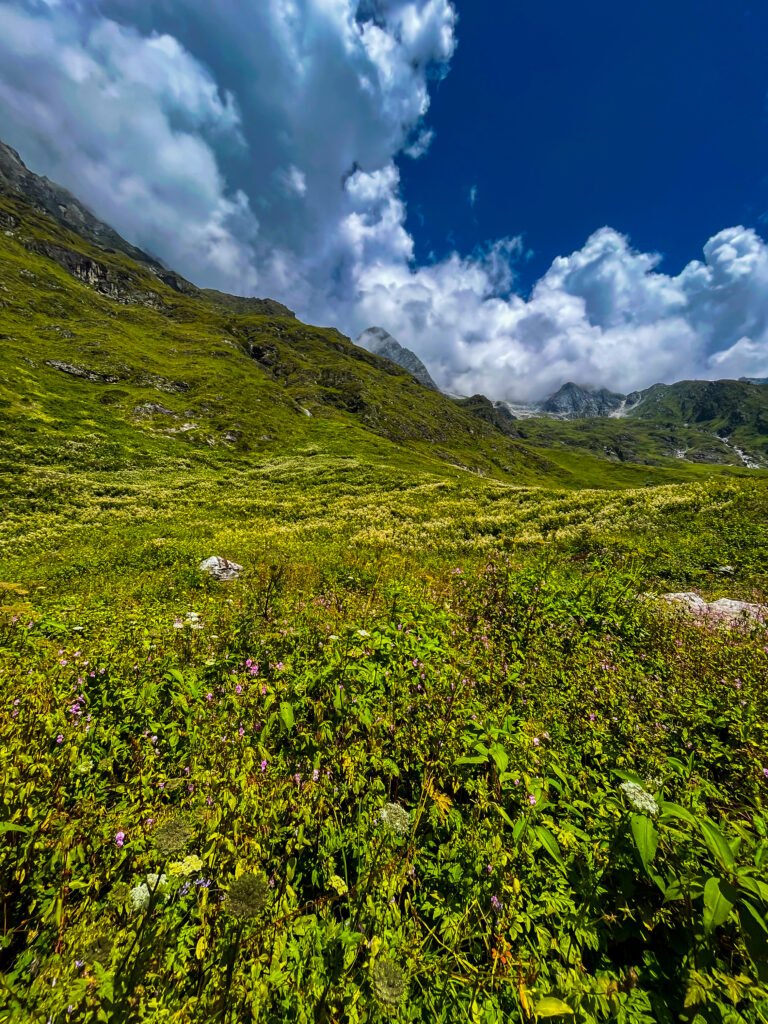
The valley is not a landscaped garden. Its beauty lies in the natural growth of rare Himalayan flowers at an altitude of around 3,600 meters. Expect raw alpine meadows rather than perfectly arranged flower beds. While this trek is all about raw natural beauty, those who prefer a more comfortable and luxurious lifestyle can also explore best places to buy villas in Dubai for family living for a completely different yet equally rewarding living experience.
07. Hire a Knowledgeable Guide
Understanding the valley’s flora can greatly enhance your experience. Without proper knowledge, many rare flowers may look ordinary and the place may lose its essence. A knowledgeable guide can explain species, ecology, and hidden details that make the trek truly meaningful.
08. Network & Connectivity
Trekkers usually stay in Joshimath and Ghangaria during the journey. All major mobile networks work in Joshimath, but only Jio offers reliable connectivity in Ghangaria. Network access is generally available in the evenings, while daytime trekking routes have little to no signal. Inform your family and friends beforehand.
Additional Points to Remember during your visit to VOF Trek
- Start trekking early each morning.
- Check daily weather updates.
- Carry enough cash; the last ATM is at Joshimath.
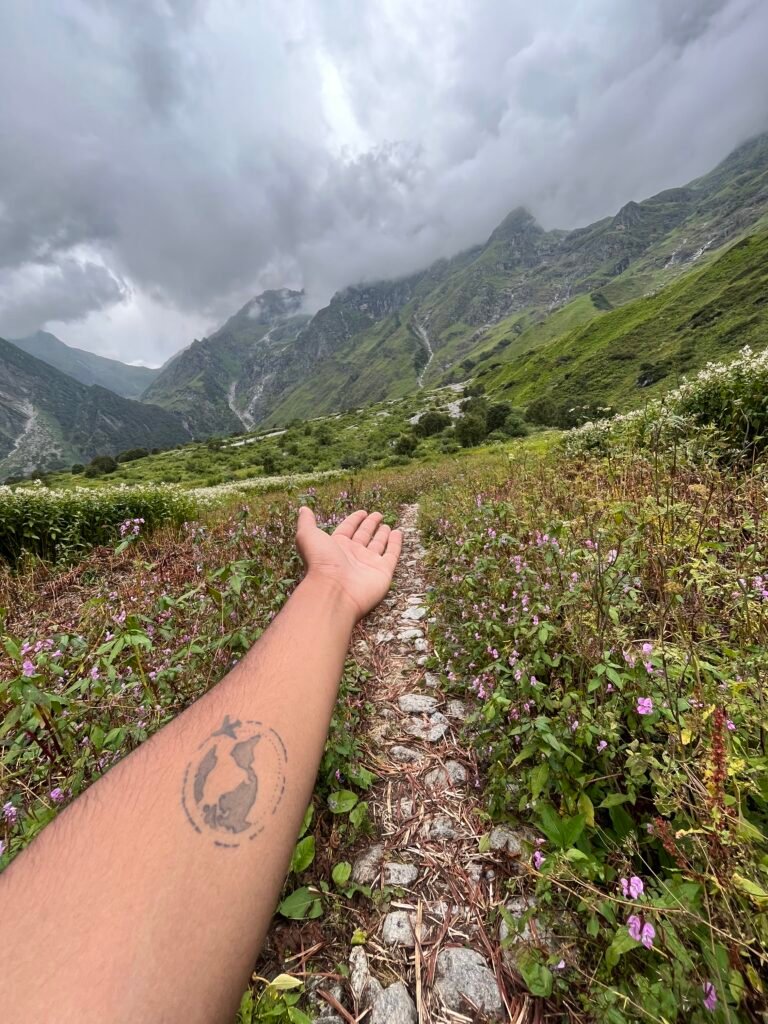
- Respect nature — avoid picking flowers or leaving waste.
- Entry fee to the national park is approximately INR 200.
- Drones are not allowed inside the park.
The Valley of Flowers is not just a trek — it is a peaceful journey through one of the most unique alpine ecosystems in the Himalayas. Walking through vibrant meadows, listening to mountain streams, and witnessing rare Himalayan flora creates an experience that stays with you long after the trek ends. With proper preparation, responsible travel habits, and the right mindset, this adventure can become one of the most rewarding journeys you will ever take in Uttarakhand.
For more details check our website www.thesearchingsouls.com