What Is Valley of Flowers Famous For
Have you ever dreamed of walking through beautiful green meadows filled with colorful wildflowers? Hidden high in the peaceful mountains of Uttarakhand, the Valley of Flowers is a place that feels like a dream. From its breathtaking natural beauty and rare flowers to its spiritual importance and UNESCO World Heritage status, this magical place offers an unforgettable experience . Every year, travelers, trekkers, nature lovers from all over the world come here to experience its beauty and calm atmosphere. But what makes the Valley of Flowers so famous?
Here are five amazing reasons why the Valley of Flowers should be on your travel bucket list.
- A UNESCO World Heritage Site
First and foremost, the Valley of Flowers is famous for its status as a UNESCO World Heritage Site. This global recognition isn’t handed out lightly. The valley is home to an astonishing, untouched ecosystem displaying a physical landscape that feels surreal.
- A Botanical Paradise of Over 550+ Floral Species
True to its name, the main reason The Valley of Flowers is famous worldwide is its unparalleled botanical wealth. The landscape shifts colors throughout the year, playing host to over 550+ species of wild flowers.
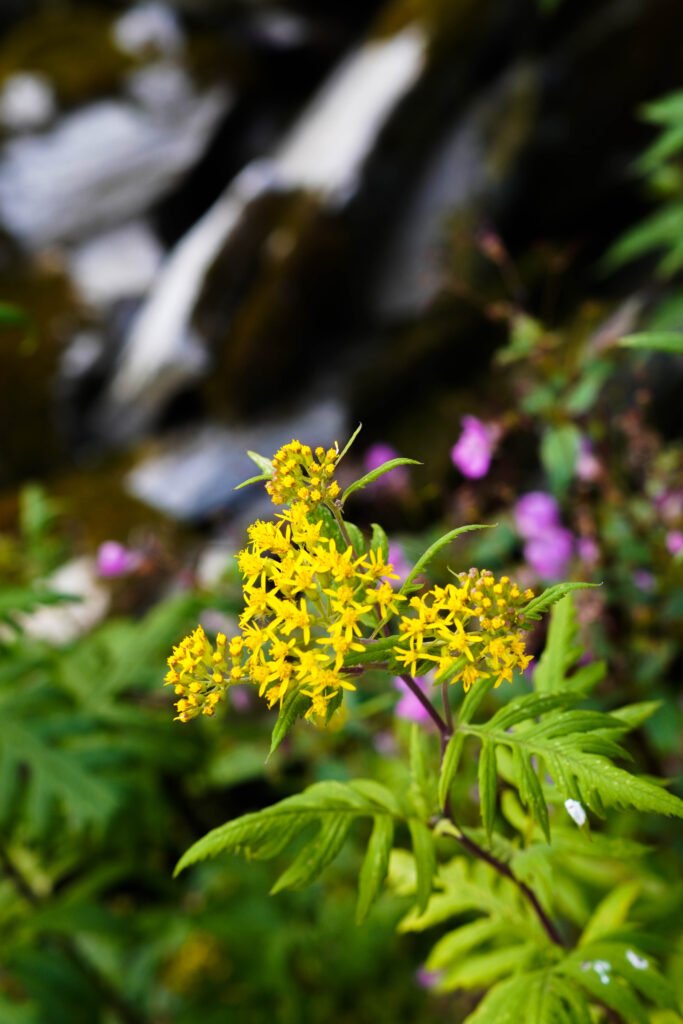
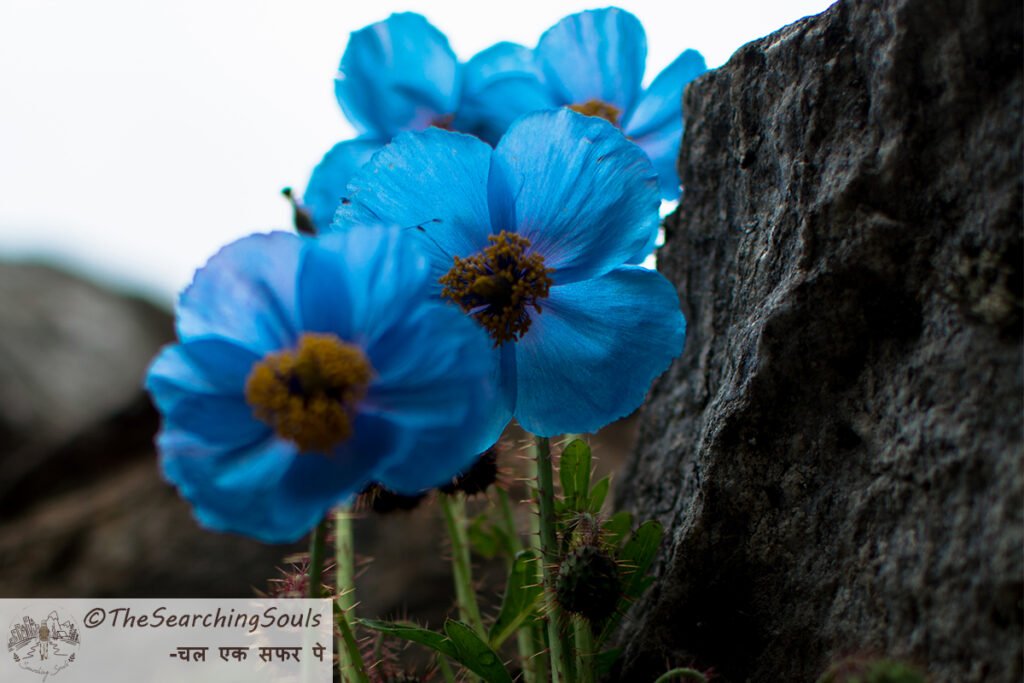
If you plan your journey during the peak monsoon season,from mid-June to mid-September, the valley completely bursts into life. It is not uncommon for trackers to spot over 50 distinct species in a single visit. Among these are legendary, rare, and endangered Himalayan flowers like: Brahma Kamal, The Blue Poppy, Hatajuri, Primulas, Anemones, Shrinaga, Potentilla, and Himalayan Jacob’s Ladder.
3. Rich, Untouched Himalayan Biodiversity
The valley is celebrated for far more than just its colorful flora; it is a vital haven for rare alpine wildlife. Its unique geographic and physical features provide an ideal habitat for species that cannot survive anywhere else on earth.
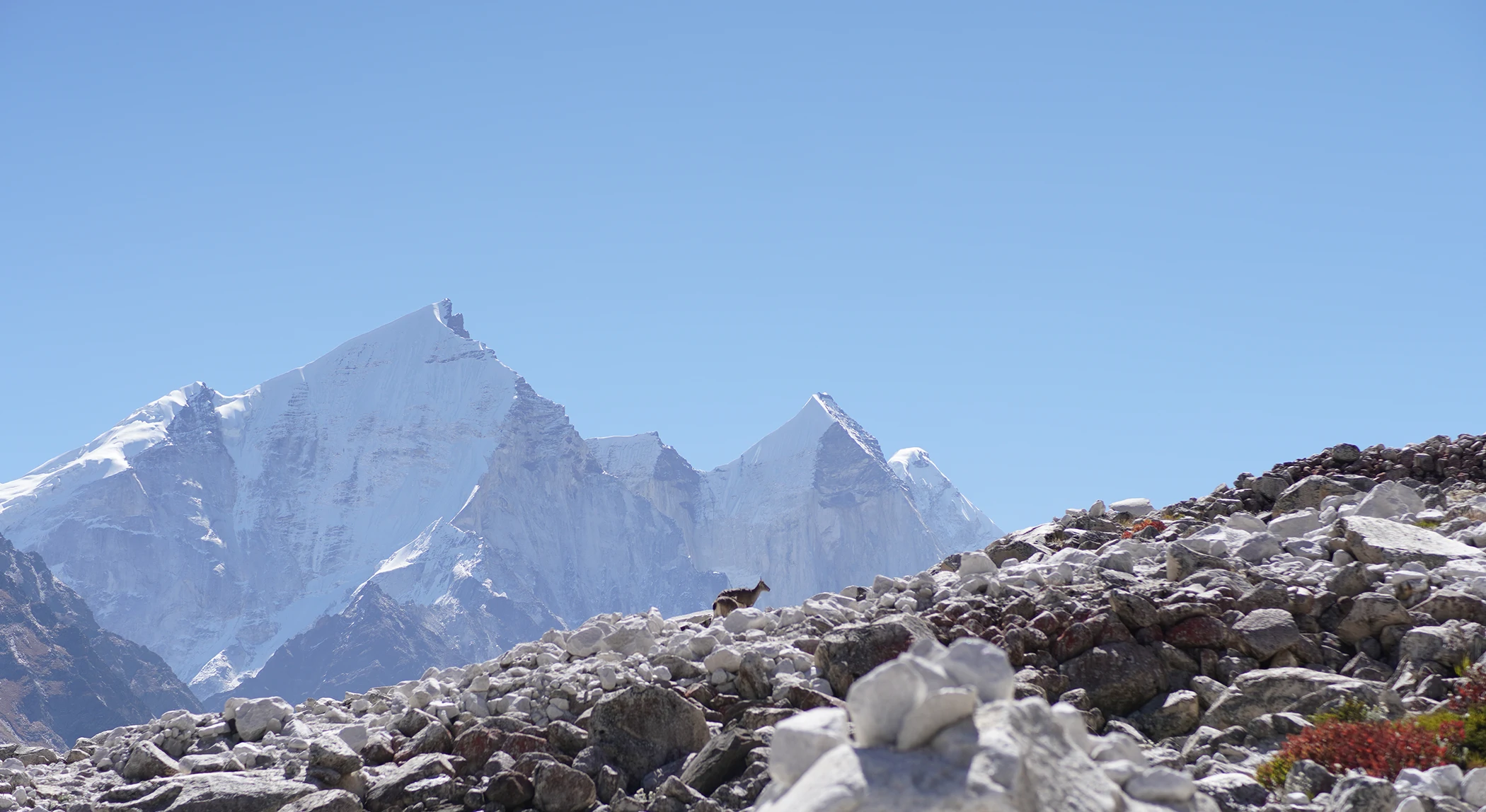
Nature lovers and wildlife photographers frequently cross paths with exotic and endangered fauna, including the Himalayan black bear, rare butterflies, unique bird species, and the elusive blue sheep. It offers a raw glimpse into the biological richness of the Himalayas.
4. The Spiritual Journey to Hemkund Sahib
What makes the Valley of Flowers trek even more special is its deep spiritual connection. The journey is not just about beautiful landscapes and colorful flowers, it is also filled with peaceful and sacred places that attract pilgrims and travelers from around the world.
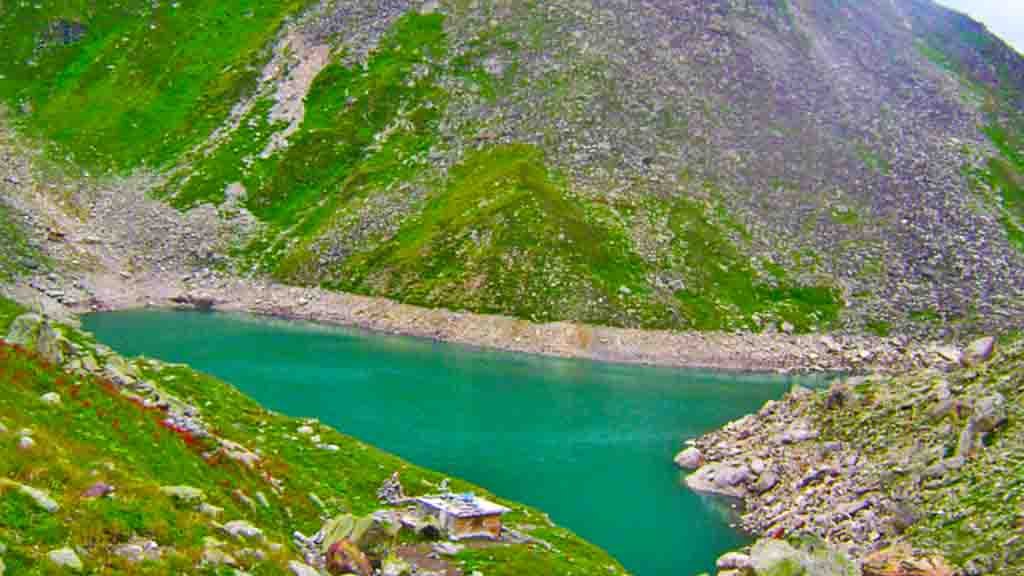
One of the most important places on this route is Hemkund Sahib, located at a height of 4,329 meters. Known as the highest Gurudwara in the world, it sits beside a crystal-clear glacial lake surrounded by snow-covered mountains. Every year, thousands of devotees visit this holy site to pray and experience its calm and spiritual atmosphere.
Close to Hemkund Sahib is the ancient Lokpal Temple, where Lord Lakshman is believed to have meditated. The peaceful surroundings make the place feel truly divine.
You don’t need to be an elite mountaineer to witness this natural wonder. The Valley of Flowers trek is officially rated as easy to moderate, making it uniquely accessible to beginners and seasoned hikers alike.
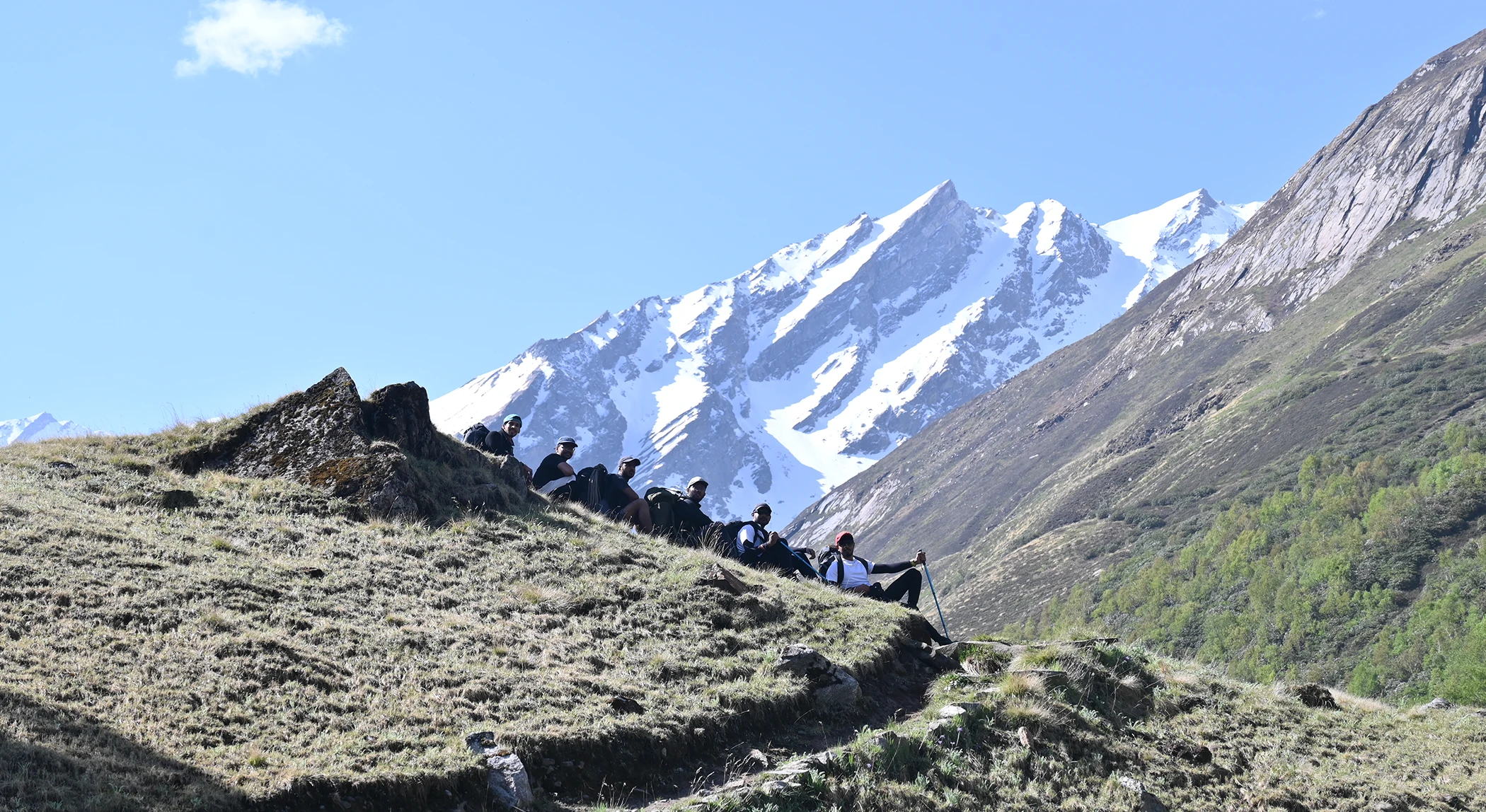
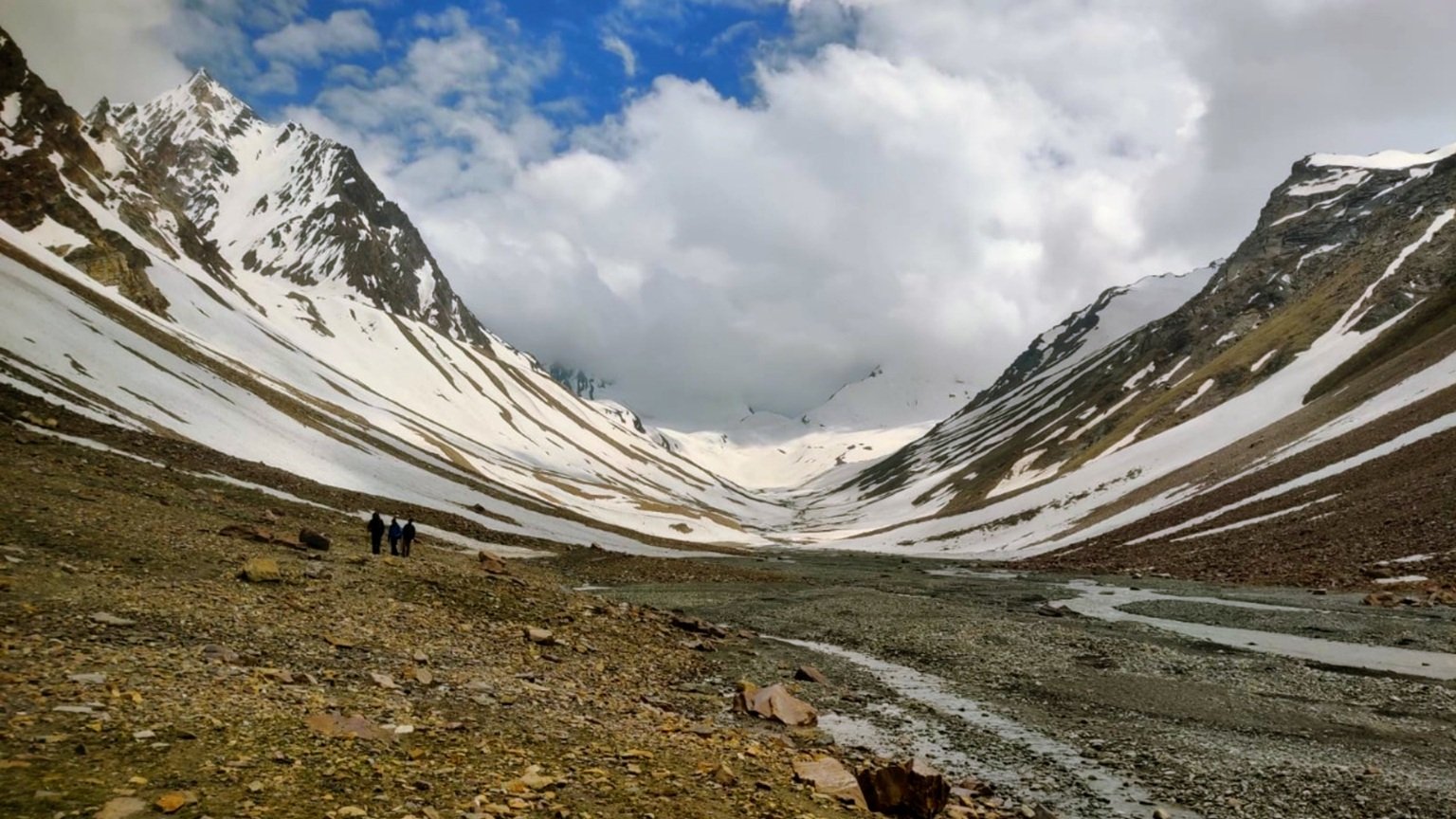
While it is highly doable, it doesn’t lack thrill. The trail keeps your adrenaline pumping as you hike up steep inclines, cross rushing mountain streams, and witness rapidly evolving terrains. Over the course of the journey, you will watch the scenery smoothly shift from dense canopy forests to rugged mountain slopes, ultimately opening up into wide alpine meadows.
Is the Valley of Flowers Worth Visiting?
Yes Definitely! The Valley of Flowers has something that can’t be replaced. Whether you are an adventure seeker looking to challenge your limits, a photographer hunting for the ultimate landscape, or someone looking to immerse yourself in deep Himalayan culture, the Valley of Flowers offers something truly irreplaceable.
It is not just a place to hike and wander, but a place where nature, ecology, and spirituality converge.