FAQ’s About the Valley of Flowers Trek
The Valley of Flowers Trek is one of the most popular Himalayan treks, and also one of the ones we’re asked about the most. Whether it’s your first trek or you’ve already explored the mountains, it’s natural to have questions before planning your trip.
From the best time to visit and trek difficulty to permits, accommodation, and mobile connectivity, we’ve answered the most frequently asked questions to help you plan your Valley of Flowerstrek .
The Valley of Flowers Trek is one of the most popular Himalayan treks, and also one of the ones we’re asked about the most. Whether it’s your first trek or you’ve already explored the mountains, it’s natural to have questions before planning your trip.
From the best time to visit and trek difficulty to permits, accommodation, and mobile connectivity, we’ve answered the most frequently asked questions to help you plan your Valley of Flowerstrek .
- What is the best time to visit the Valley of Flowers?
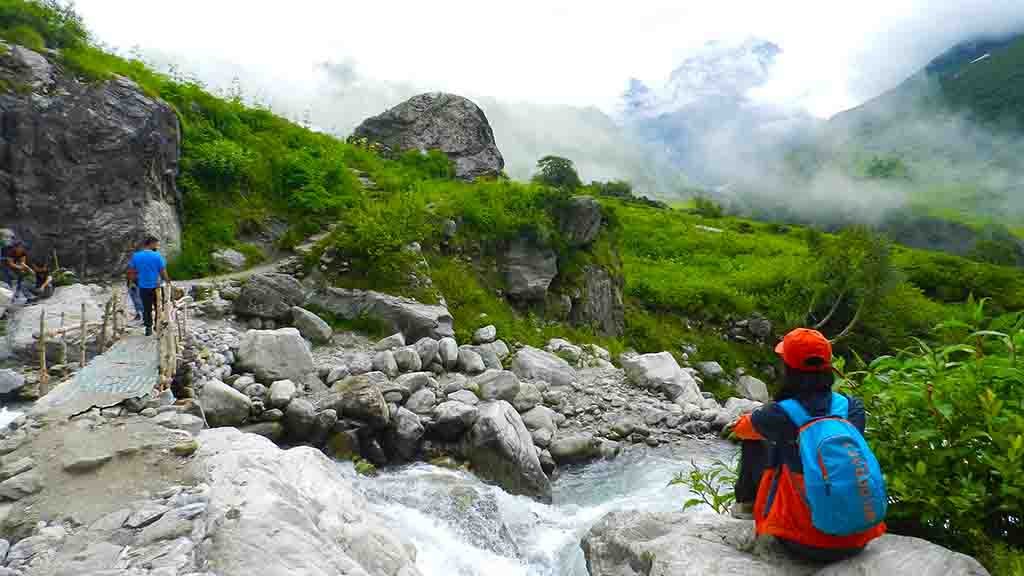
The best time to visit the Valley of Flowers is between June to Mid- September. This is when the valley comes alive with hundreds of blooming flowers, turning the entire landscape into a colorful carpet. The Valley of Flowers is home to more than 500 species of Himalayan flowers, and during peak bloom, you’ll come across hundreds of varieties spread across the valley. If you want to witness the valley at its most beautiful, this is the ideal time to plan your trek.
- Is the Valley of Flowers trek difficult?
Not at all. The Valley of Flowers Trek is generally considered an easy to moderate trek, making it suitable even for beginners. But having a basic level of fitness and good stamina will make the journey much more comfortable and enjoyable.
- How long is the Valley of Flowers Trek?
The trekking distance from Poolna to the Valley of Flowers is approximately 13 kilometers, divided into two stages:
- Poolna to Ghangaria
- Ghangaria to Valley of Flowers
If you’re starting your journey from Dehradun/ Rishikesh then the complete trek usually takes at least six days, including travel and trekking.
- Is the Valley of Flowers Trek safe during the monsoon?
Yes, absolutely. Although many Himalayan treks are avoided during the rainy season, the Valley of Flowers Trek is actually best experienced during the monsoon months. From June to September, the valley receives enough rainfall to support the blooming season, making it the perfect time to visit. But like any mountain trek, it’s always important to follow your trek leader’s instructions and stay updated on weather conditions.
- How should you prepare for the trek?
Preparing for the Valley of Flowers Trek doesn’t require an intense fitness routine.
A few weeks before your trip, start walking or jogging 3 to 4 kilometres daily. This simple habit helps improve your stamina and makes the ascent much easier.
- Is there mobile network connectivity during the trek?
You’ll have decent mobile connectivity until you reach Ghangaria, the base camp for the trek. However, network coverage becomes unreliable once you’re there. Jio and BSNL are generally the only networks that work occasionally in Ghangaria. On the trail to the Valley of Flowers and Hemkund Sahib, there is no mobile network.
- Can you stay overnight inside the Valley of Flowers National Park?
No. Staying overnight inside the Valley of Flowers National Park is strictly prohibited.All trekkers must return to Ghangaria the same day, and visitors are required to exit the national park before the closing time, usually around 4:30 PM.
- Can you take a helicopter to the Valley of Flowers and Hemkund Sahib?
Yes. Helicopter services are available between Govindghat and Ghangaria. However, helicopters do not fly directly to the Valley of Flowers or Hemkund Sahib. After reaching Ghangaria by helicopter, you’ll still need to trek to both destinations.
- Is a permit required for the Valley of Flowers Trek?
Yes. Since the Valley of Flowers is a protected national park, an entry permit is mandatory.You’ll need to carry a valid government-issued photo ID:
- Aadhaar Card or Voter ID for Indian citizens
- Passport for foreigners.
In some cases, a basic medical fitness certificate may also be required. The entry fee is generally ₹200 for Indian citizens and ₹800 for foreigners.
- Where do you stay during the Valley of Flowers Trek?
Ghangaria is the only accommodation hub for trekkers visiting both the Valley of Flowers and Hemkund Sahib. Camping inside the national park is not allowed, so everyone stays in Ghangaria. The village offers plenty of hotels, lodges, and guesthouses with comfortable rooms, proper beds, clean bedding, and warm blankets, making it a convenient place to rest after a day of trekking.
- What to carry for the Valley Of Flowers Trek?
For the Valley of Flowers trek, pack light but be prepared for sudden monsoon rains and temperature drops. Your gear must include waterproof trekking shoes, a rain poncho/raincoat, warm windproof jacket, fleece and thermal a daypack, and personal utilities.
- What is the temperature of the Valley Of Flowers?
The weather in the Valley of Flowers remains cool throughout the trekking season, so it’s important to carry warm clothing, especially for the evenings and early mornings.
- June:Daytime temperatures range between 12°C and 20°C, while nights are cooler at 4°C to 10°C.
- July and August: During the peak monsoon months, daytime temperatures range from 9°C to 16°C, and nights stay between 3°C and 9°C.
- September: As the season comes to an end, temperatures begin to drop. Daytime temperatures range from 8°C to 12°C, while nighttime temperatures can fall to 0°C to 5°C.
The Valley of Flowers Trek is one of those rare journeys that combines breathtaking Himalayan landscapes, vibrant alpine flowers, and a relatively beginner-friendly trail. With the right preparation and a little planning, it’s an experience that almost every nature lover can enjoy.
We hope these FAQs have answered your questions and made planning your trek a little easier. If you’re getting ready for your Valley of Flowers adventure, we wish you an unforgettable journey through one of the most beautiful landscapes in the Himalayas.