India vs France Travel Costs: Understanding Exchange Rates, Purchasing Power, and Smart Budgeting
Traveling between India and France can be an exciting cultural experience, but managing money across the two countries requires more than simply converting Indian rupees (INR) into euros (EUR). The exchange rate tells you how much one currency is worth in another, but it does not tell the full story of what you can actually buy with that money.
A traveler may convert ₹10,000 into euros and assume that the resulting amount represents the same spending power in France as they spend in Indian rupees.. In reality, everyday expenses such as accommodation, transportation, food, and services can be dramatically different in France. This difference between currency value and purchasing power is one of the most important things travelers should understand before planning an international trip to any country.
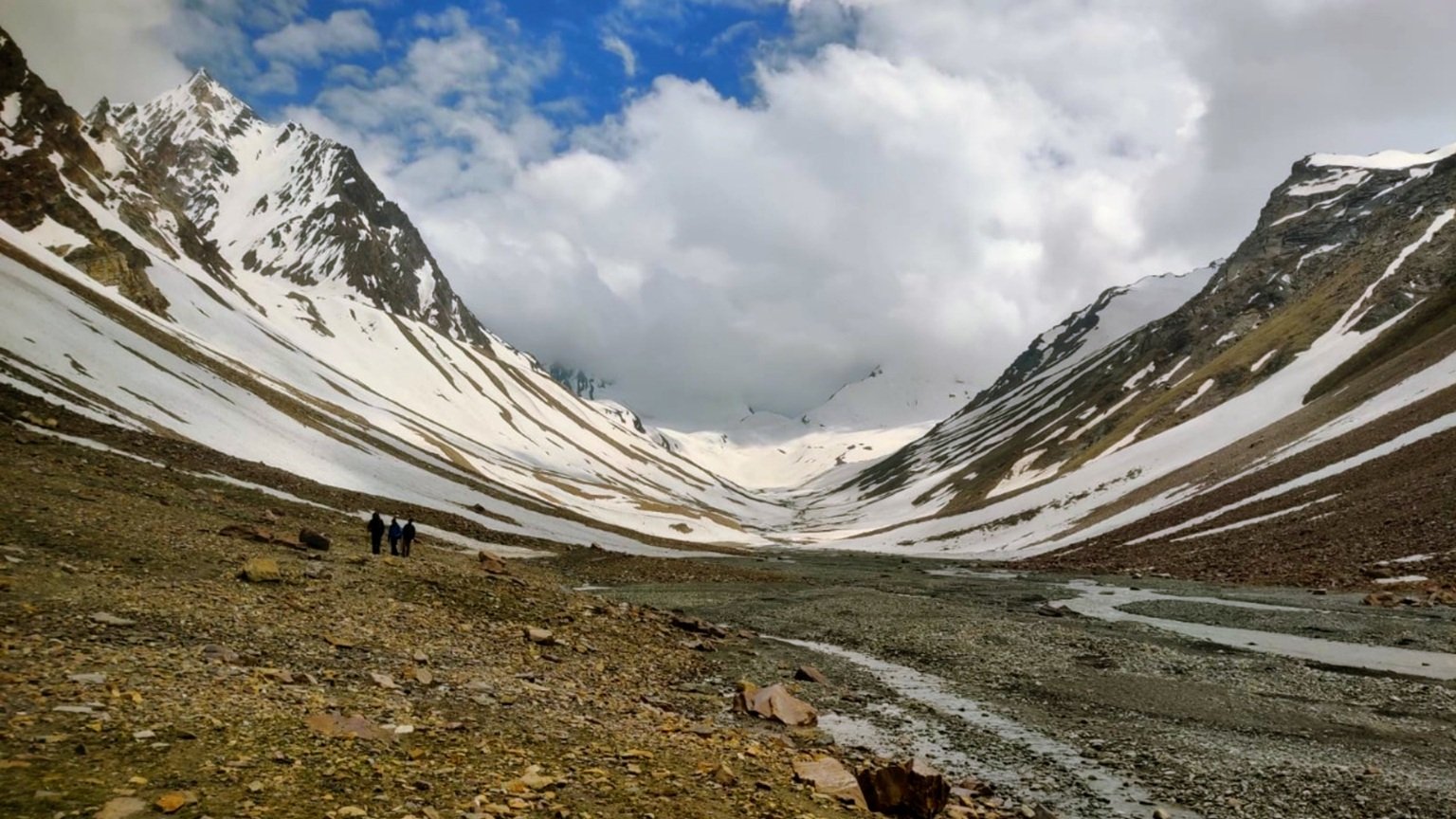
Situated at an altitude of around 15,000 ft, Buran Ghati Trek offers an exciting mix of adventure and challenges. The trail includes steep ascents, long trekking hours, unpredictable mountain weather, and snow-covered sections near the pass. Due to the high altitude and changing conditions, carrying the right trekking gear and packing smartly is important for a safe and enjoyable experience.
In this blog, we will discuss all the important things you should carry for the Buran Ghati Trek, including clothing, footwear, trekking equipment, safety items, and personal essentials.
Exchange Rate vs. Local Prices: What Every Traveler Needs to Know
The exchange rate is simply the price of one currency expressed in another. If you exchange Indian rupees for euros, the rate determines how many euros you receive for your rupees. However, the exchange rate does not mean that ₹1,000 worth of spending in India is equivalent to the purchasing power of the same converted amount in France.
For example, ₹1,000 in India might cover a casual meal for one or even several people, depending on the location. In France, the equivalent converted amount could be consumed by a single restaurant meal or several smaller expenses. This happens because wages, rents, taxes, operating costs, and local economic conditions vary from country to country. Therefore, travelers should think in terms of local prices, not just currency conversion.
A good travel budget should answer two questions: How much money do I have after conversion? and how much does the lifestyle I want cost locally?
PPP Calculator: A Better Way to Compare Purchasing Power For Travellers
A PPP Salary calculator helps travelers understand how much money is needed in one country to enjoy a lifestyle or buy a similar basket of goods and services in another.
Unlike a simple exchange-rate calculator, which only converts currencies, a PPP calculator considers differences in local price levels. For example, the amount of money needed to maintain a particular standard of living in India may be very different from the amount required in France, even after converting INR into EUR at the market exchange rate.
Converting Money: Getting the Best Rate for Rupees and Euros
When exchanging INR into EUR, the rate displayed online is often not the exact rate you receive. Banks, currency exchanges, card networks, and other providers may add fees or a markup. Travelers should therefore compare the effective exchange rate, which is the actual amount of euros received after all fees and charges.
Carrying large amounts of cash is generally unnecessary for most travelers. International debit and credit cards can be convenient, although foreign transaction fees and dynamic currency conversion charges may increase costs.
One useful habit is to avoid automatically accepting a merchant’s offer to charge your card in your home currency. When given a choice, paying in the local currency is often preferable because the card network or your bank may provide a more competitive conversion rate than the merchant’s own conversion service. Travelers should also keep some cash available for small purchases and situations where cards may not be accepted.
The “Sticker Shock” Factor: Why France Can Feel More Expensive
One of the biggest surprises for Indian travelers visiting France is the difference between familiar spending habits and French prices.
Paris, in particular, is an expensive global tourist destination. Accommodation, restaurant meals, coffee, transportation, attractions, and everyday services can quickly add up. A traveler accustomed to Indian prices may find that a simple coffee, sandwich, or short taxi journey costs significantly more than expected.
The reason is not simply that the euro is “stronger” than the rupee. France has higher average wages and much higher costs for labor, rent, utilities, insurance, taxation, and business operations in many sectors. The same principle works in reverse. A European traveler visiting India may find that their converted euros provide considerably greater purchasing power for accommodation, dining, transportation, and personal services. This is known as the purchasing power gap and if any traveller plans their trip without knowing this they will pay a higher amount in other countries.
Daily Travel Budgets: Backpacker, Mid-Range, and Luxury
Travel budgets vary enormously depending on travel style. A backpacker in France may focus on hostels, supermarkets, inexpensive bakeries, public transportation, free attractions, and self-guided sightseeing. A mid-range traveler might choose a comfortable hotel, eat at restaurants regularly, and pay for several attractions. A luxury traveler could spend significantly more on five-star hotels, private transfers, fine dining, shopping, and exclusive experiences.
The same categories exist in India, but the cost difference between them can be much wider. For example, a traveler in India can often find affordable local accommodation, inexpensive meals, and relatively low-cost transportation. France also offers budget options, but the minimum cost of maintaining a comfortable trip can be considerably higher in popular tourist destinations.
The key is to establish a daily budget in the local currency before traveling. Instead of thinking, “I have ₹X, so I can spend X,” decide how many euros you realistically need per day for food, transport, accommodation, and activities.
Food & Dining Out: Street Eats vs. French Bistro Prices
Food is one of the clearest examples of the purchasing power difference. India is famous for its enormous variety of affordable food like vada pav, samosa, pav bhaji. Street food, local restaurants, cafés, and regional dishes can provide excellent value. Even in major cities, travelers can often eat well without spending a large amount.
France offers its own excellent value at certain price points, particularly through bakeries, markets, supermarkets, and affordable lunch options. However, eating at traditional restaurants, especially in central Paris or tourist-heavy areas, can become expensive.
Travelers can control their food budget by mixing experiences. Instead of eating every meal at a sit-down restaurant, consider buying breakfast from a bakery, preparing simple meals from supermarket ingredients, or enjoying a picnic from a local market.
The goal isn’t to avoid restaurants. Rather, travelers should choose when to spend. Saving money on breakfast and lunch can create room in the budget for a memorable French dinner.
Getting Around: Metro Passes, Trains, and Taxis
Transportation costs also vary considerably. In France, public transportation can be one of the best ways to manage expenses. Paris has an extensive public transport network, and travelers can often save money by using trains, metro services, buses, and other shared transportation instead of taxis.
Long-distance rail travel can be convenient but may become expensive depending on the route, booking time, and ticket type. Planning ahead can help travelers find better fares.
In India, local transportation is generally more affordable by international standards. Depending on the city, travelers may use metro systems for cities like Delhi, Pune and Mumbai, buses, auto-rickshaws, app-based taxis, and trains. The most important rule is simple: use public transportation whenever practical and reserve taxis for convenience or situations where they offer meaningful value.
Hotel & Stay Costs: Paris vs. Major Indian Cities
Accommodation can easily become the largest part of a travel budget. Paris is particularly challenging for budget-conscious travelers because hotel rooms in central locations can be expensive. Prices also vary significantly according to season, events, location, and demand.
Indian cities offer a much broader range of accommodation at different price points. Travelers can find everything from budget hostels and guesthouses to international luxury hotels. However, India is not uniformly inexpensive. Premium hotels in major cities and popular tourist destinations can be costly, particularly during peak seasons.
Travelers should therefore compare accommodation based on value, not just price. A slightly more expensive hotel near public transportation may save money on taxis and reduce travel time.
Hidden Expenses: Tipping, Taxes, Service Charges, and Forex Fees
Travelers often underestimate small costs. These can include airport transfers, tourist taxes, service charges, baggage fees, ATM fees, card foreign exchange charges, and currency conversion markups.
France and India also have different cultural expectations around tipping. Travelers should understand local customs rather than assuming that the practices of their home country apply everywhere.
Foreign exchange fees deserve particular attention. A seemingly small percentage charged on every card transaction can become significant over a two-week vacation.
Before departure, travelers should check their bank’s foreign transaction fees, ATM charges, international withdrawal limits, and currency conversion policies.
Inbound Bargain Power: Why European Travelers May Find India Affordable
For many European visitors, India can offer substantial purchasing power. A traveler earning and spending in euros may find that their money goes further when converted into rupees. Accommodation, local transportation, dining, and personal services can be relatively inexpensive compared with Western European prices.
However, “cheap” should not be confused with “low quality.” India offers luxury experiences as well as budget travel, and international travelers can choose where to spend their money. The same purchasing power advantage can also benefit Indian travelers abroad in reverse only when they have sufficient foreign currency income or savings. Simply converting rupees into euros does not eliminate the higher cost structure of France.
Smart Money Hacks: How to Beat the Purchasing Power Gap
The best way to manage international travel expenses is to combine planning, local knowledge, and flexible spending. First, create a daily budget in euros rather than rupees when traveling in France. Second, book accommodation and major transportation early when possible. Third, use public transportation instead of taxis for routine journeys.
For food, combine inexpensive local options with occasional restaurant experiences. Supermarkets and bakeries can be excellent tools for reducing daily costs. Use cards strategically, but understand foreign exchange fees. Carry a backup payment method in case your primary card fails.
Finally, remember that travel is about experiences, not simply minimizing expenses. A smart traveler does not necessarily spend the least money. Instead, they spend deliberately—saving on things that do not matter and spending more on experiences that create lasting memories.
Final Thoughts for Travellers From Thesearchingsouls
The biggest mistake travelers make when comparing India and France is relying entirely on the exchange rate. Currency conversion tells you what your money is worth internationally, but purchasing power tells you what that money can actually do.
France can be significantly more expensive for Indian travelers, especially in major tourist destinations such as Paris. India, meanwhile, can provide considerable value to visitors earning in euros. But careful planning can narrow the gap.
By understanding local prices, comparing exchange fees, choosing affordable transportation, managing accommodation costs, and budgeting in the local currency, travelers can enjoy a richer experience without constantly worrying about their wallets.
The golden rule is simple: don’t ask only, “How much is this in rupees or euros?” Ask, “What does this cost locally, and how much value am I getting for my money?” That shift in thinking is the foundation of smarter international travel. Travel safely and make memories.