Best Time to Visit Roopkund Trek
Roopkund Trek is one of the most popular treks in the Garhwal Himalayas of Uttarakhand, India. The trek reaches an altitude of approximately 15,750 feet. The trail to Roopkund passes through some of the most enchanting natural landscapes in the country.
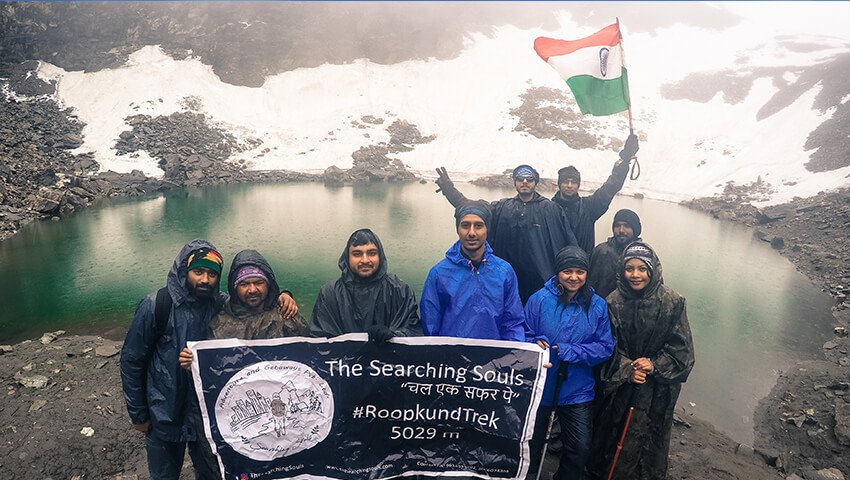
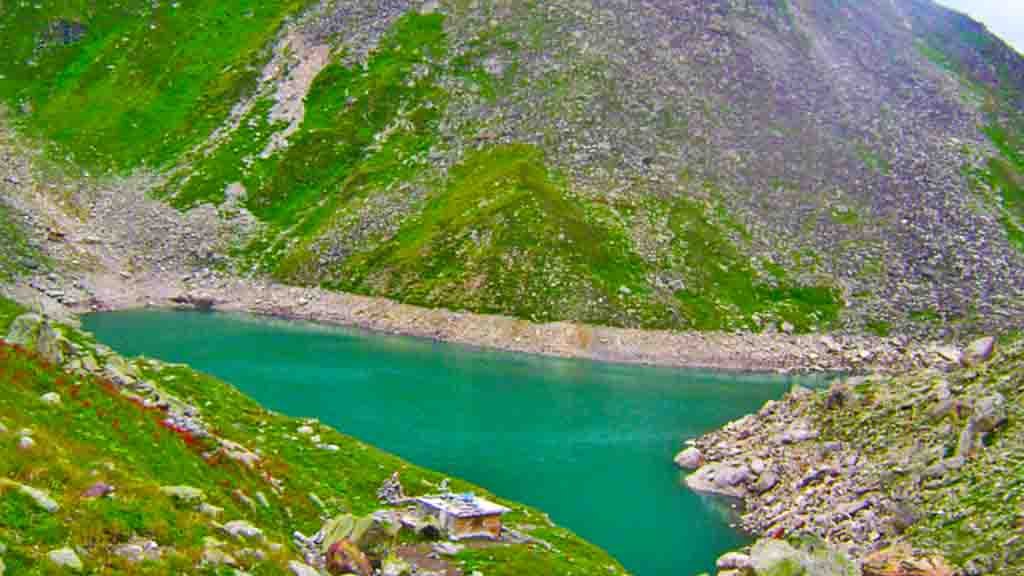
To reach the mysterious Roopkund Lake, trekkers pass through the breathtaking Ali Bugyal, Bedni Bugyal, and Bhagwabasa. Just behind Roopkund Lake stands the towering Junargali, also known as Jorawar Gali, at an altitude of around 16,500 feet above sea level.
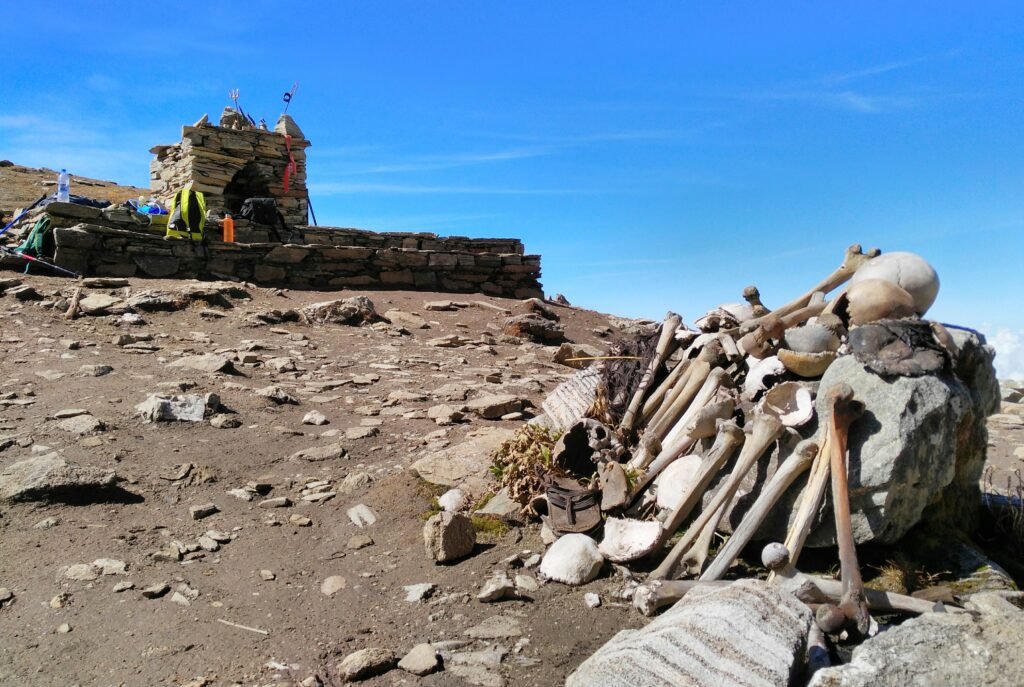
According to legend, hundreds of human skeletons can be found scattered along the boundaries of the lake and submerged beneath its frozen waters. Apart from its mysterious skeletons, the trek offers stunning views of Mount Trishul and Nanda Ghunti, making the Roopkund Trek an unforgettable experience.
Due to its extremely high altitude and challenging terrain, the trek is not accessible throughout the year. The best time to undertake the Roopkund Trek is during the summer months of May and June and the post-monsoon months of September and October.
Roopkund Trek in May and June
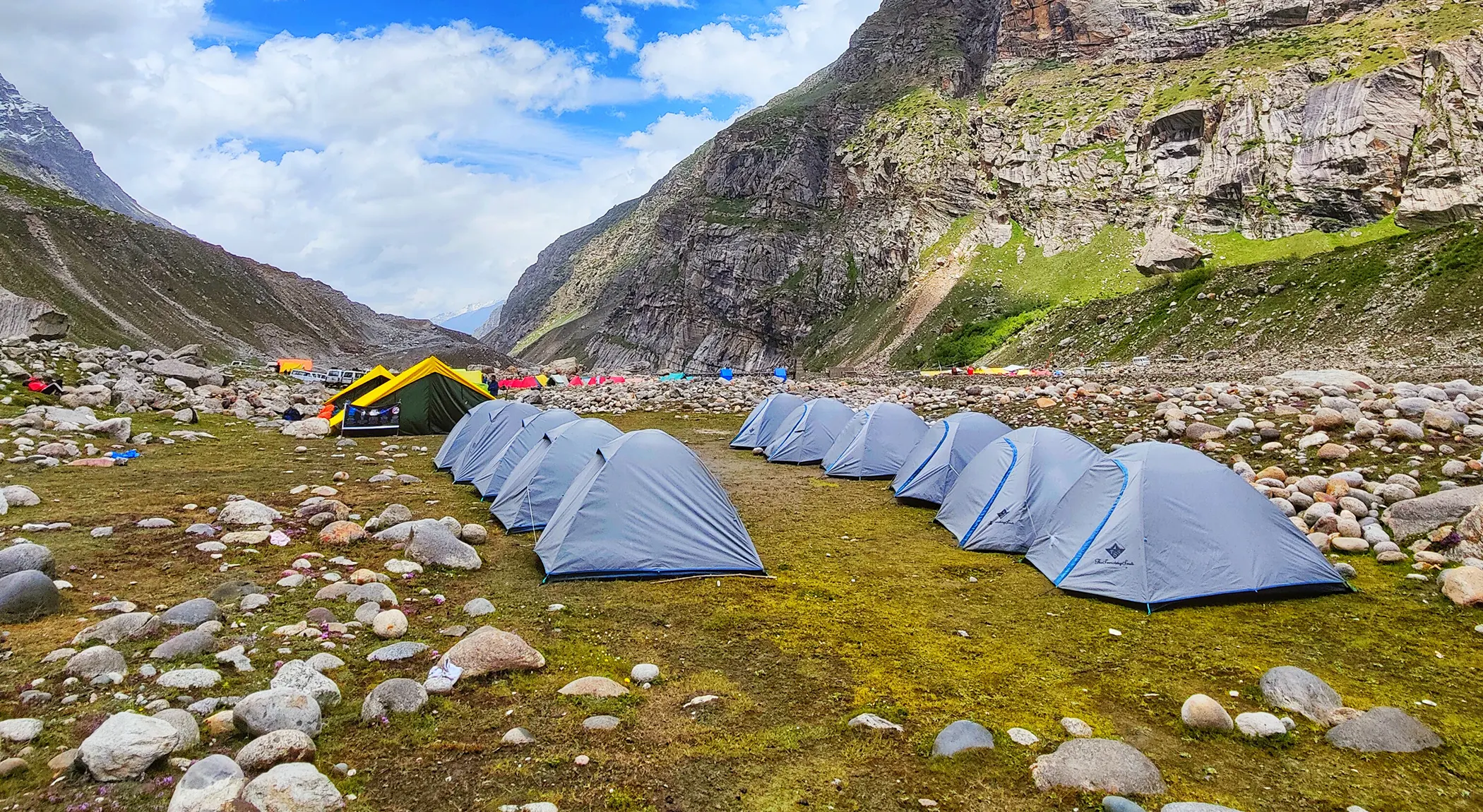
May and June are among the best months to visit Roopkund for favorable weather and spectacular views of the meadows and hillsides dotted with snow. As the first signs of summer appear, the lower sections of the trail transform into lush green grasslands.
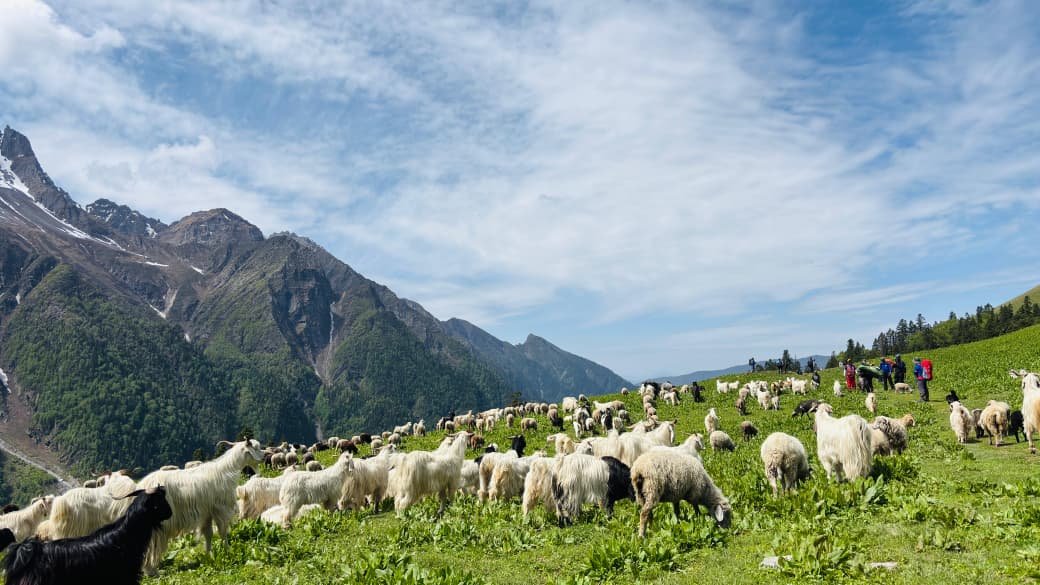
The Ali Bugyal and Bedni Bugyal meadows come alive with colorful wildflowers, creating a stunning landscape. Of the two months, June is particularly beautiful for exploring the meadows, as more flowers are in bloom and the snow begins to recede from the lower sections of the trail.
Above the tree line, daytime temperatures during this period generally range from around 10°C to 18°C, while temperatures at night and in the higher camps can drop to around 0°C to 5°C.
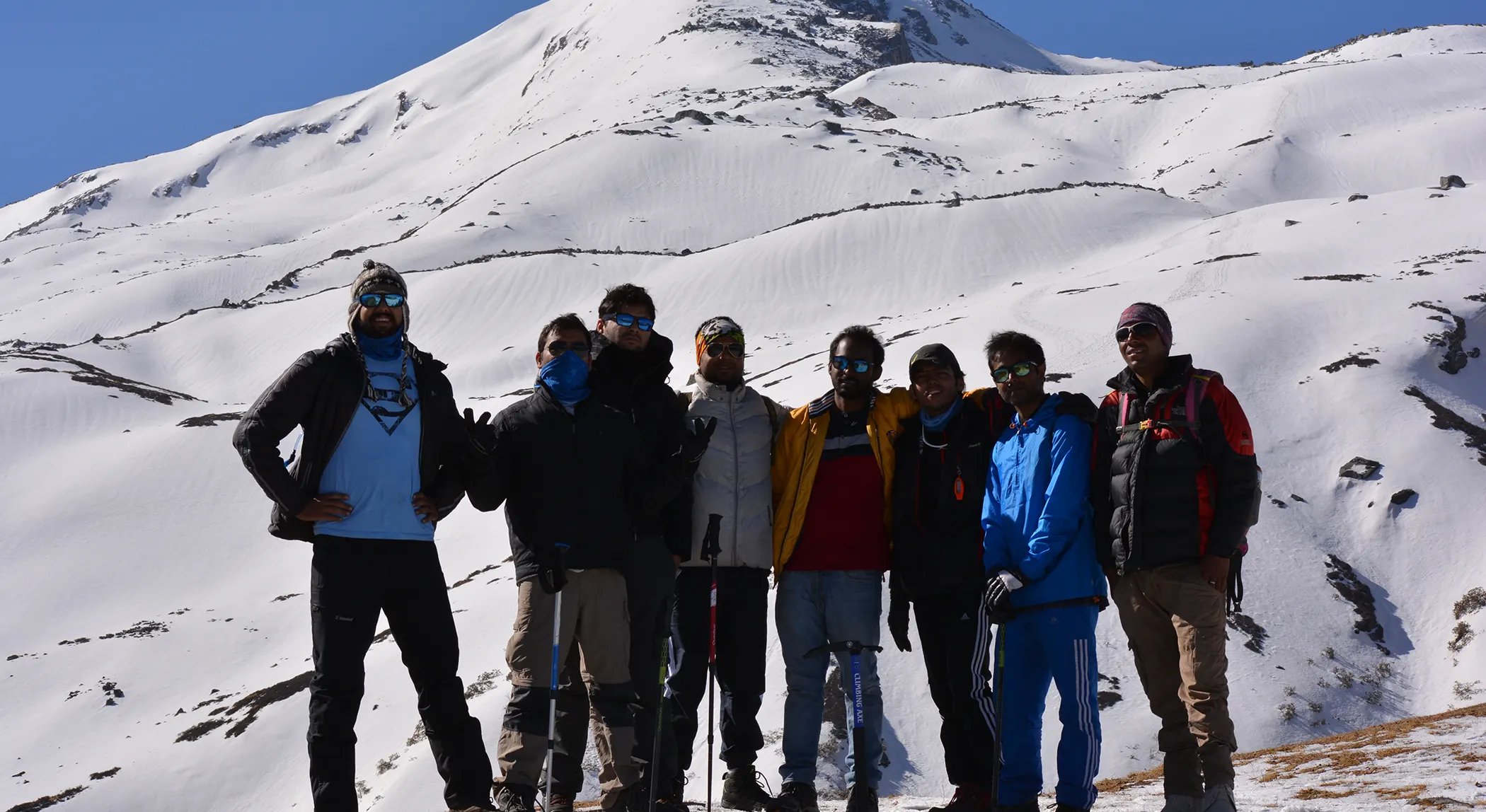
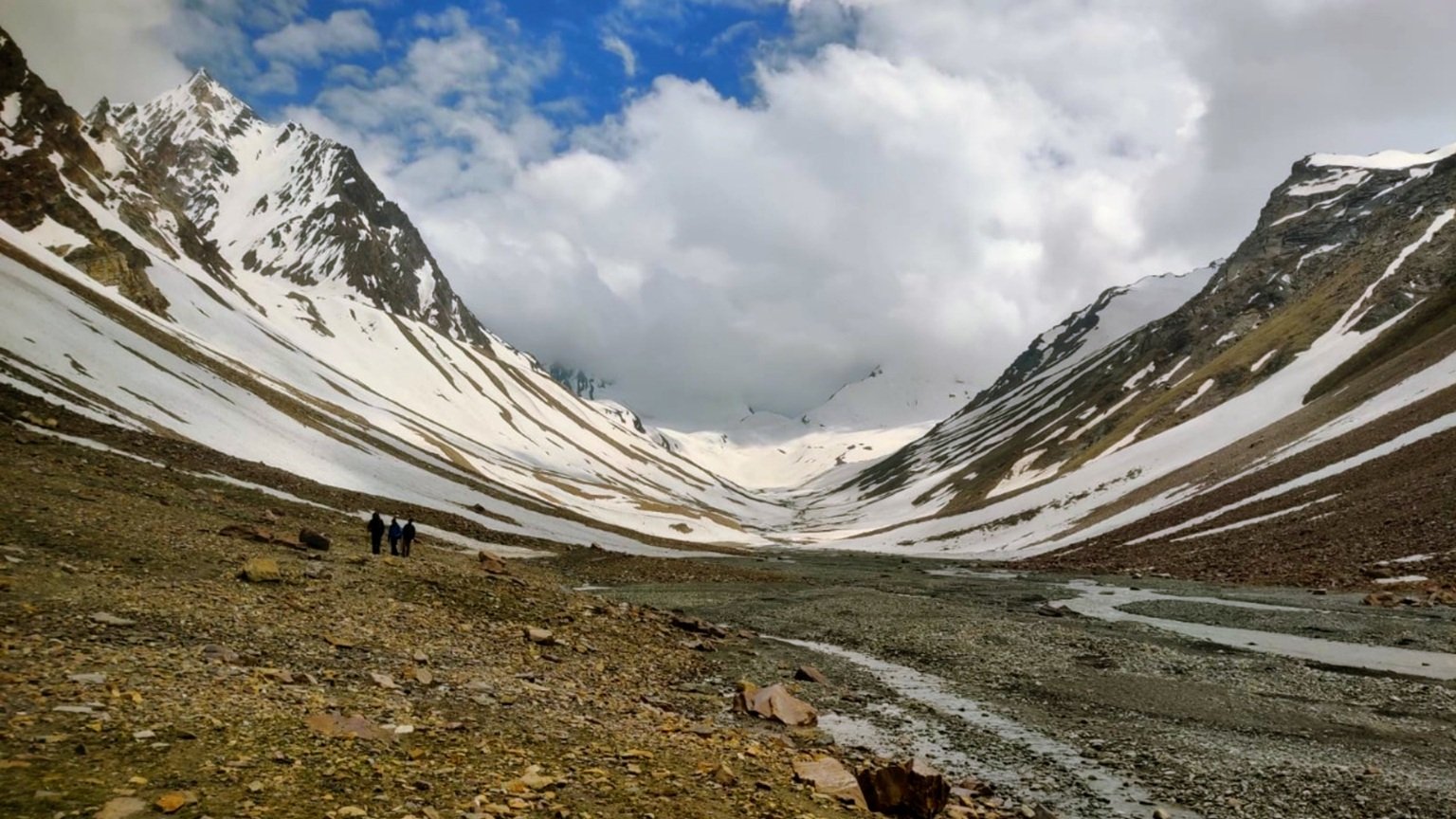
May and June offer an excellent combination of snow-covered trails, lush green meadows, and colorful spring wildflowers, making these months an ideal time to experience the natural beauty of the Roopkund region.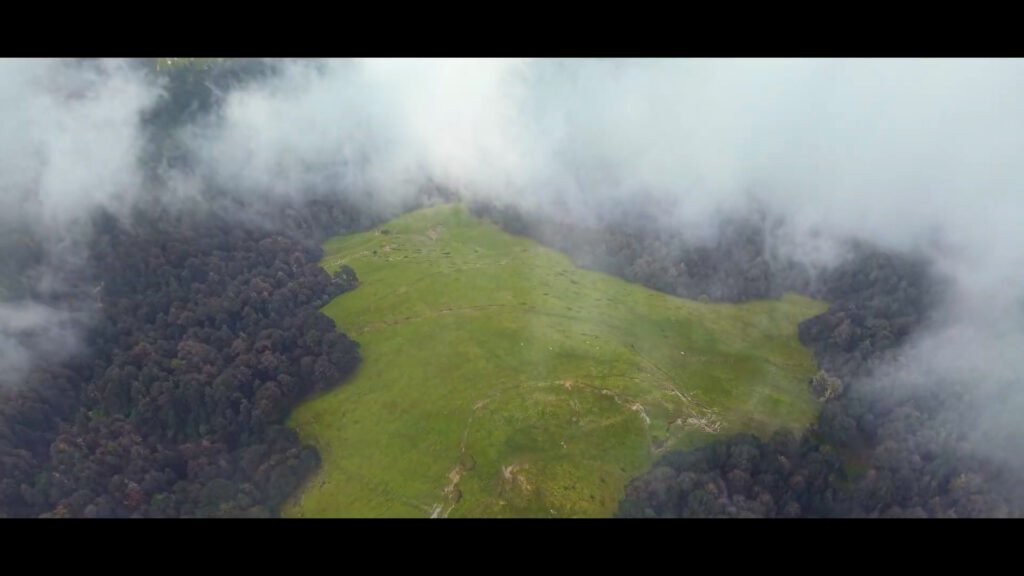
Roopkund Trek in September and October
September and October offer a completely different experience of the Himalayan landscape. With the monsoon season over, the skies begin to clear, providing crisp, unobstructed views of the surrounding mountains and Himalayan peaks.
The post-monsoon period brings fresh greenery to the landscape, while the clear skies make the towering peaks stand out beautifully against the horizon. Daytime temperatures generally range from around 8°C to 15°C, while temperatures at night can drop below freezing at higher elevations.
If you want to capture beautiful photographs, enjoy spectacular mountain views, and trek in favorable conditions, September and October can be an excellent time to explore the Roopkund region.
As the snow and ice around Roopkund Lake begin to melt during this period, the remains of human skeletons associated with the lake may become more visible. This mysterious feature has earned Roopkund Lake its popular name, “Skeleton Lake.”
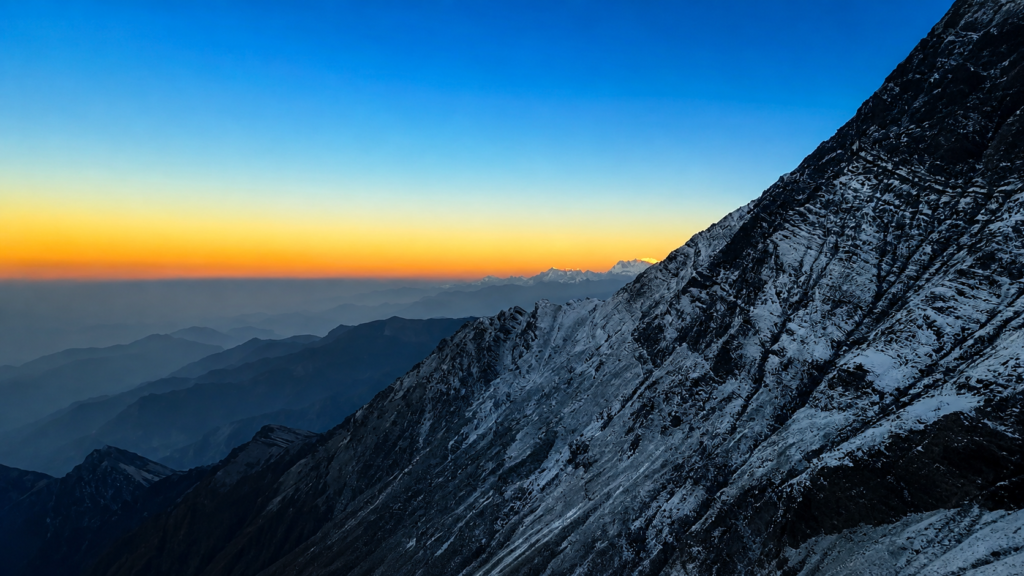
Which Season Is Better for Roopkund Trek?
Both trekking windows offer something different.
| May–June | September–October |
|---|---|
| Lush green alpine meadows | Clear post-monsoon skies and mountain views |
| Colorful wildflowers around Ali and Bedni Bugyal | Excellent Himalayan mountain scenery |
| Snow on higher sections with a mix of green and snowy landscapes | Cooler and crisp trekking conditions |
| Ideal for capturing snow and flowers | Perfect for clear mountain photography |
The table compares the two main trekking seasons for the Roopkund Trek: May–June and September–October. May–June : best if you want green meadows, flowers, and remaining snow, while September–October is better if you prefer clear skies, mountain views, and crisp weather. The best season to visit ultimately depends on your personal preferences and the kind of trekking experience you want to enjoy.