FAQ’s About The Hampta Pass Trek
Hampta Pass Trek is one of the most beautiful monsoon treks in India. Known for its dramatic change in landscapes, this crossover trek takes you from the lush green valleys of Kullu to the cold desert of Lahaul. Every year, thousands of trekkers choose Hampta Pass for its breathtaking scenery, beginner-friendly trail, and the chance to visit the stunning Chandratal Lake. If you’re planning this trek for the first time, you might have few questions. To help you prepare, We have answered some of the most frequently asked questions by the trekkers about the Hampta Pass Trek.
01. What is the best time to do the Hampta Pass Trek?
The best time to do the Hampta Pass Trek is from mid-June to September. June offers snow on the trail, July and August bring green valleys and blooming flowers, while September has clear skies and beautiful mountain views. Each month offers a different experience, so you can choose the time that suits you best.
02. What is Hampta Pass famous for?
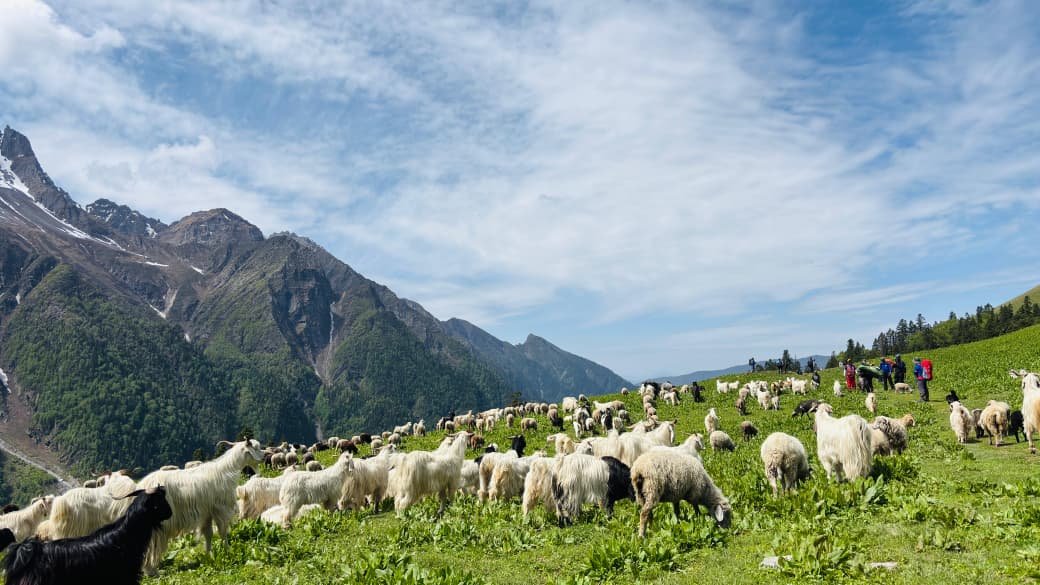
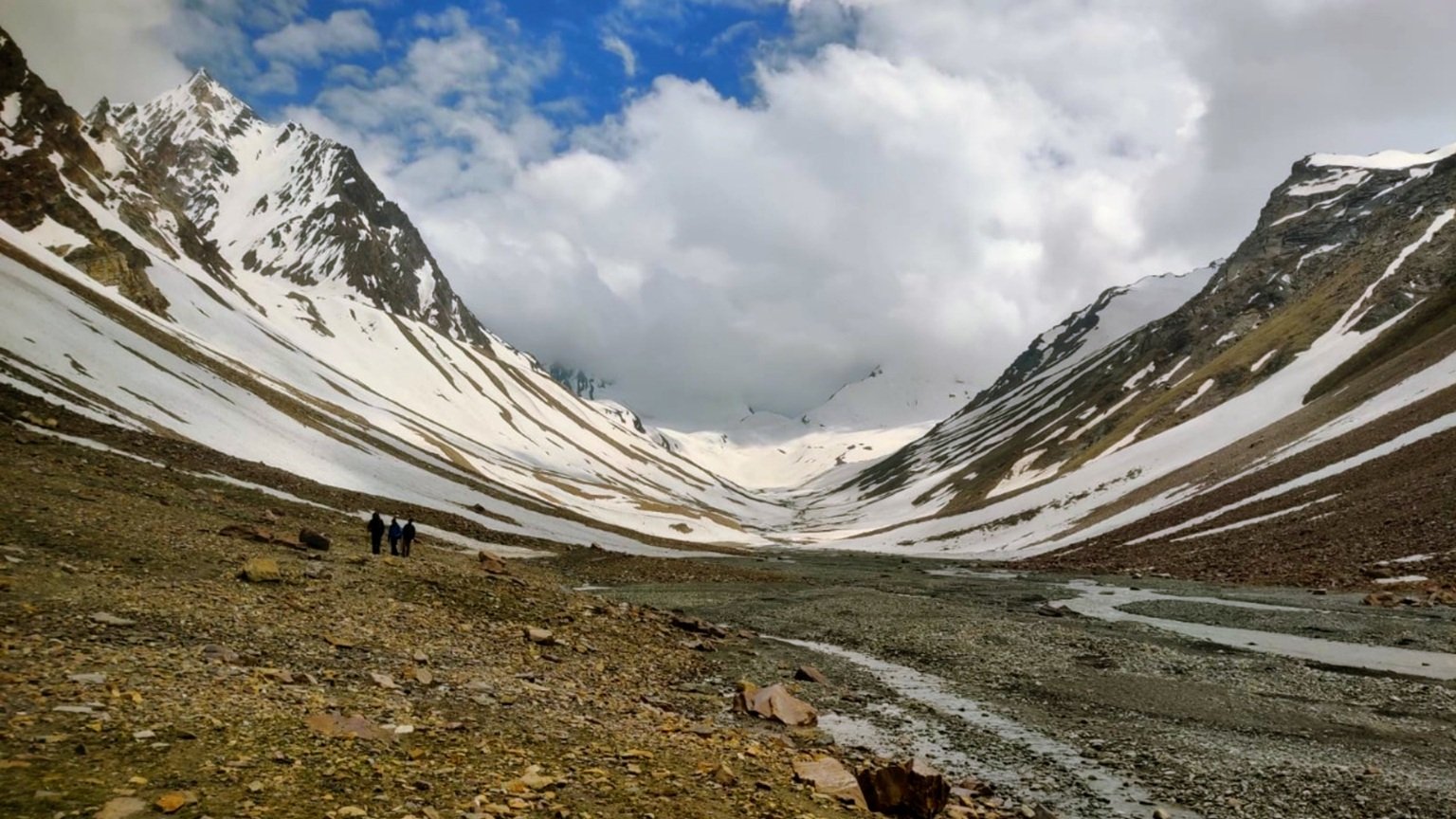
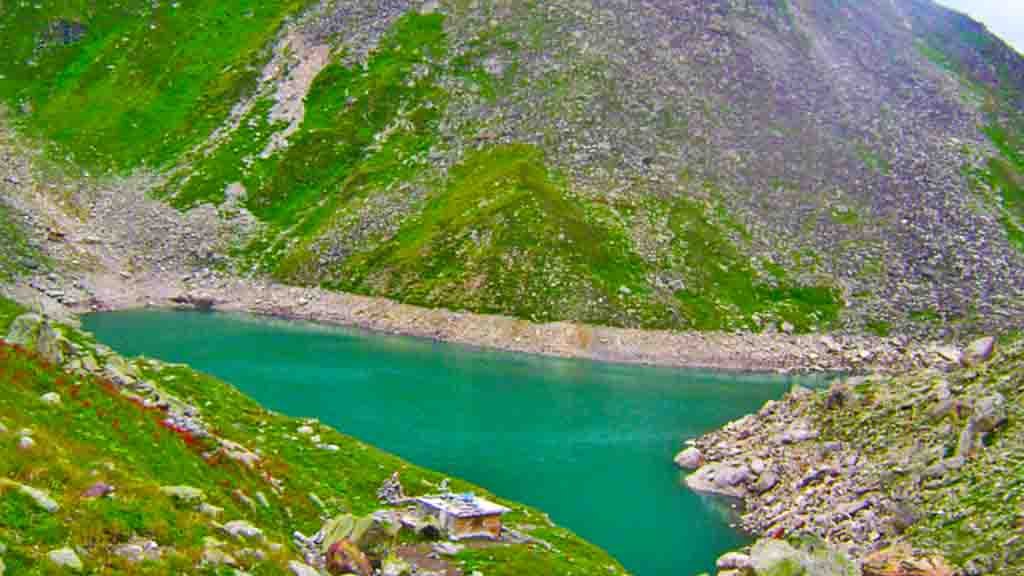
Hampta Pass is one of India’s most popular monsoon treks. What makes it unique is the dramatic transition in scenery from the lush green forests and meadows of the Kullu Valley to the barren, rugged landscapes of Lahaul and Spiti.The trek is also known for its scenic campsites and the beautiful Chandratal Lake.
03. How difficult is the Hampta Pass Trek?
The Hampta Pass Trek is a moderate trek. It is suitable for both beginners and experienced trekkers. The trail has some uphill climbs, river crossings, and long walking hours, but it is not very difficult.
04. How should I prepare for the Hampta Pass Trek?
Preparing for Hampta Pass is actually very simple.Start walking, jogging, or running 3–4 kilometres every day for a few weeks before your trek. Adding stair climbing and light strength exercises can improve your stamina and make descents easier.
5. Is the Hampta Pass Trek safe?
Yes, Hampta Pass is considered one of the safest high-altitude pass treks in India.Most sections of the trail are well-defined and not technically difficult. The only parts that require extra alertness are the stream crossings and the descent from Hampta Pass, where you’ll be guided by our experienced trek leaders.
6. Can I do the Hampta Pass Trek in December?
No.The Hampta Pass Trek remains closed during winter because the pass receives heavy snowfall, making it unsafe and inaccessible. It is not recommended to do this trek in December.
07. What is the weather like on the Hampta Pass Trek?
The weather on the Hampta Pass Trek is cool during the day and quite cold at night. Temperatures vary depending on the month, so carrying warm clothes is essential. In June, day temperatures range from 10°C to 18°C, while nights can drop to 0°C to 5°C.In July and August: Daytime temperatures stay between 10°C and 15°C, and nights range from -2°C to 7°C. InSeptember, the weather becomes colder, with daytime temperatures between 5°C and 10°C, and nighttime temperatures ranging from -3°C to 3°C.
08. Will I find snow on the Hampta Pass Trek in July?
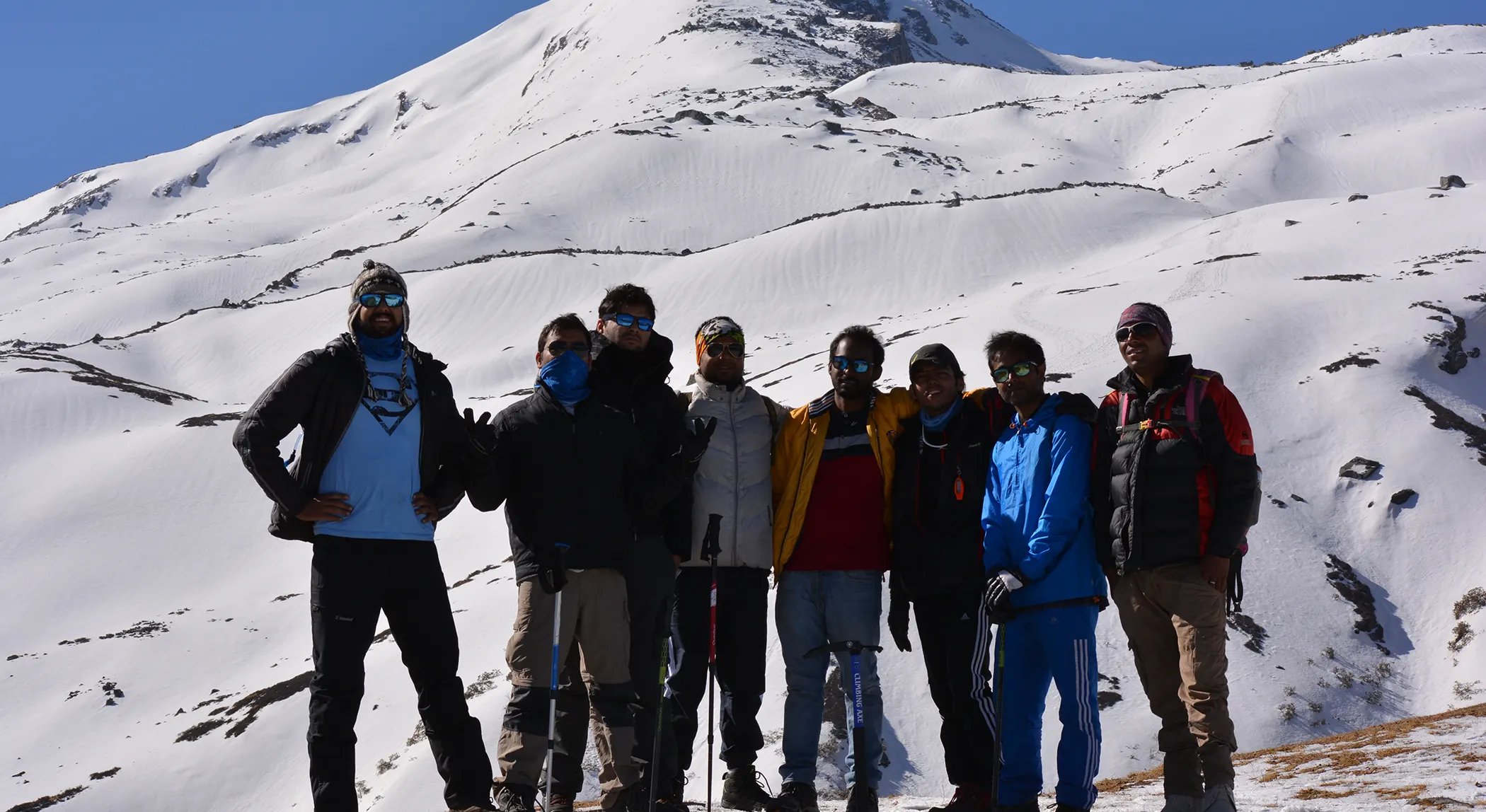
It depends on when you visit.If you’re trekking during the first half of July, you’ll likely encounter snow near the pass. By the second half of the month, most of the snow begins to melt due to warmer temperatures and rainfall.
09. Can I leave extra luggage at the base camp?
Yes.If you have luggage that you don’t want to carry during the trek, you can safely leave it at the base village. There are no cloakroom charges, and this facility is usually provided free of cost.
10. Is there mobile network during the trek?
Mobile connectivity is very limited once the trek begins.You may find network coverage at a few locations near the starting point, but throughout most of the trail, you should not expect reliable mobile signals.
11. How are toilets managed during the trek?
Since there are no permanent washrooms on the trail, trekkers use portable dry toilets)set up at campsites.Carrying wet wipes, tissues, and personal toiletries is highly recommended.
12. What kind of shoes should I wear?
Good trekking shoes are one of the most important trek gear you’ll need.Choose shoes that have excellent grip, ankle support, and a comfortable fit. If you’re buying a new pair, wear them for several days before the trek to avoid blisters.
13. Do I need to carry trekking equipment?
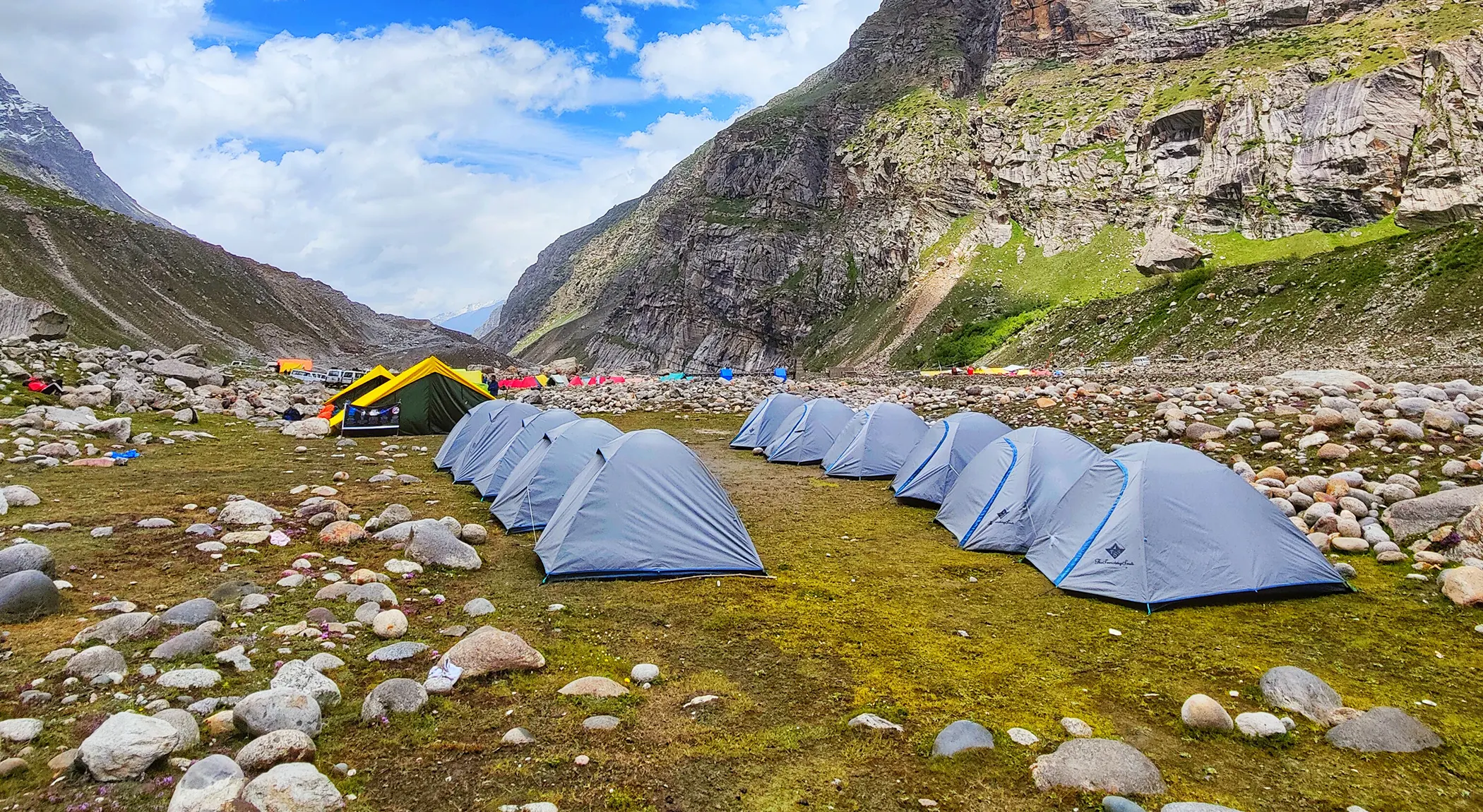
No.Major trekking equipment such as tents, sleeping bags and sleeping mats, is provided by The Searching Souls. You’ll only need to carry your clothes, toiletries, water bottle, and other personal utilities.
14. What happens in case of a medical emergency?
Safety is always our top priority. Our experienced trek leaders carry first-aid kits and oxygen cylinders to handle common medical situations. If a serious emergency occurs, every effort is made to evacuate the trekker to the base village or hospital. Hospital expenses, if required, are generally borne by the individual.
So, whether you’re a first-time trekker or an experienced adventurer, the combination of green valleys, river crossings, high mountain passes, and the breathtaking Chandratal Lake makes Hampta Pass trek truly unforgettable.I hope these FAQs have answered your questions and helped you prepare for your Hampta Pass adventure.