Is Hampta Pass Beginner Friendly?
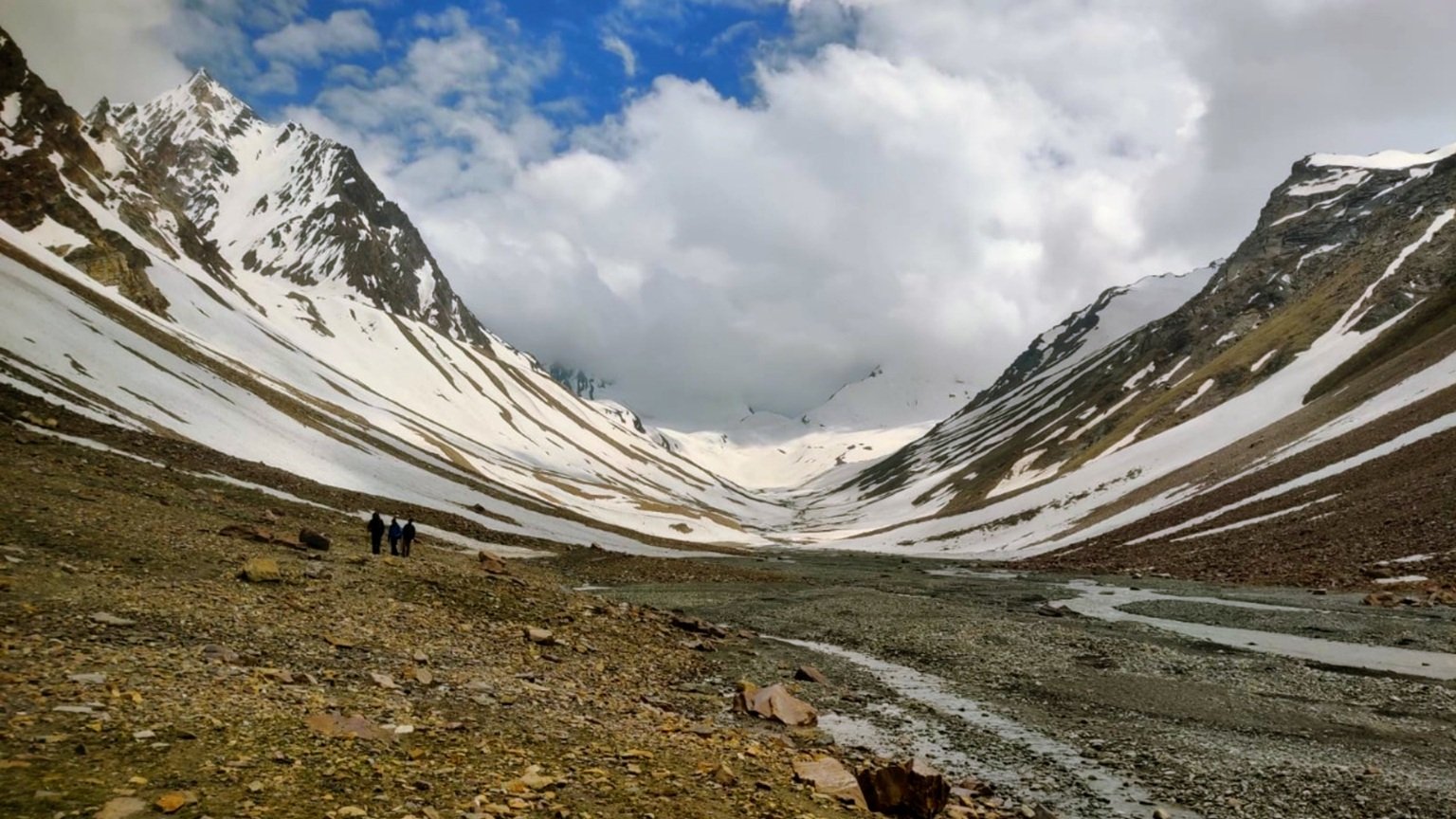
Have you ever watched those dreamy Hampta Pass reels on Instagram and thought, “Can beginners really do this trek?” Honestly, you are not alone. The Hampta Pass Trek is one of the most searched Himalayan treks in India, especially by people planning their very first high-altitude adventure. From green valleys and river crossings to snow-covered mountains and the stunning landscapes of Spiti, this trek looks straight out of a movie. But before planning your adventure, it’s important to understand what really makes a trek beginner friendly. So, let’s break down the key factors and find out whether Hampta Pass is the right choice for first-time trekkers.
Here are the key factors used to evaluate a trek:
- Maximum Altitude Limits
For a Himalayan trek to compete in the beginner-friendly category, its maximum altitude should generally stay below 4500 meters. Lower altitudes reduce the risk of severe acute mountain sickness (AMS) and make the environment more manageable for bodies unaccustomed to thin air. The highest altitude point of the Hampta Pass trek is 4326 meters. This puts it right in the sweet spot, high enough to enjoy amazing mountain views, but still below the risky extreme altitude level
2.Daily Altitude Gain
How much height you gain in a single day plays a massive role in trek safety. A beginner-friendly trek is structured so that you do not gain more than 1000 meters of altitude in a single day once the trek begins. Gradual climbing gives your body better window opportunities to adapt to changing pressure levels. The Hampta Pass trek follows this slow and steady style very well, which helps with safe acclimatization. Although the biggest challenge comes on Day 3 (Summit Day) where you go from 12,220 feet (Balu ka Gera) up to 14,065 feet (Hampta Pass). Even though this is the toughest part of the trip, walking slowly on the first two days helps your body get used to the thin air, making this final climb much safer and more manageable for you.
- Availability of Natural Resources
A major factor in assessing safety is the availability of resources along the route,
- Water Availability: Except for the summit day, you will encounter waterfalls, streams, and rivers every single day of the trek. Water is never an issue here.
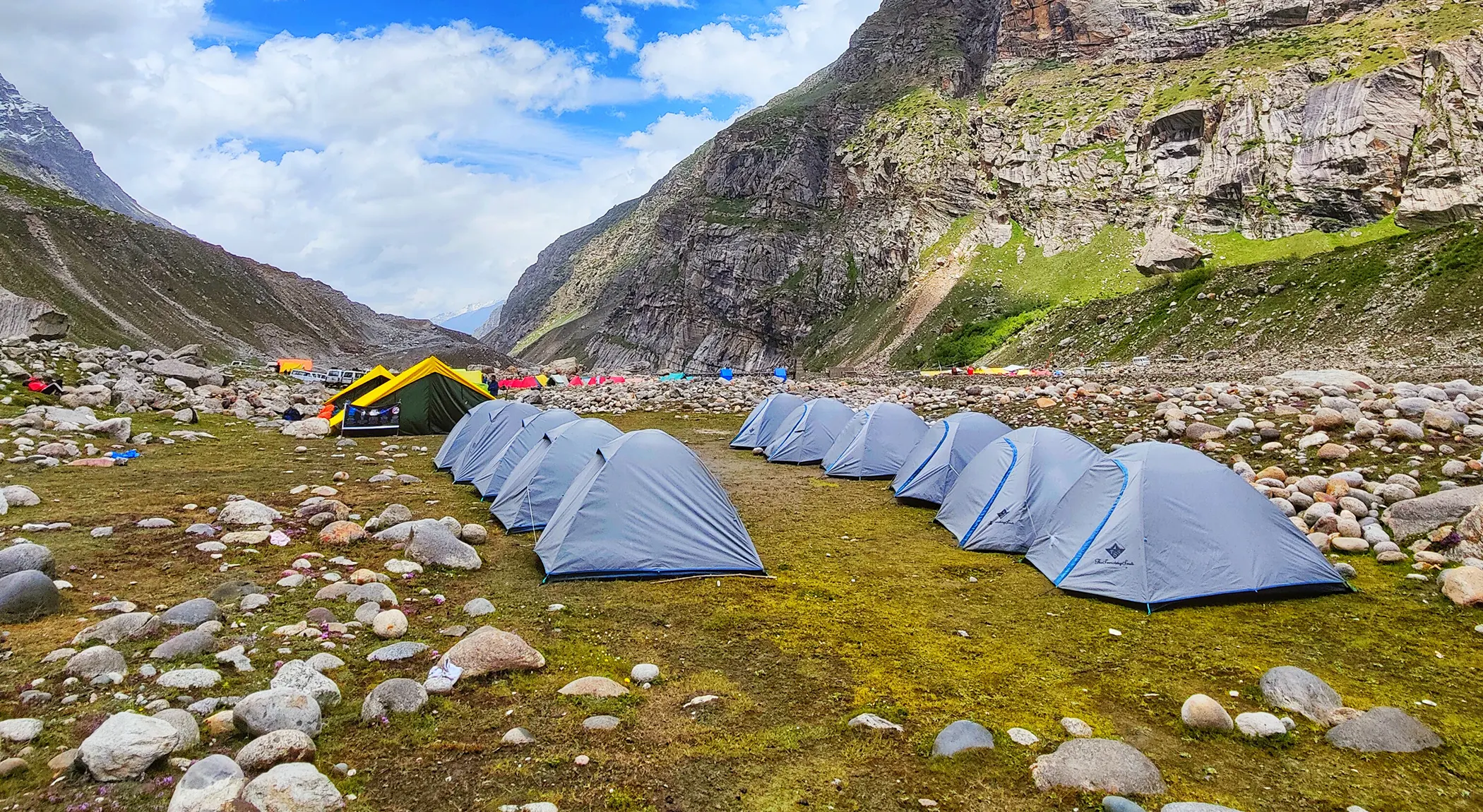
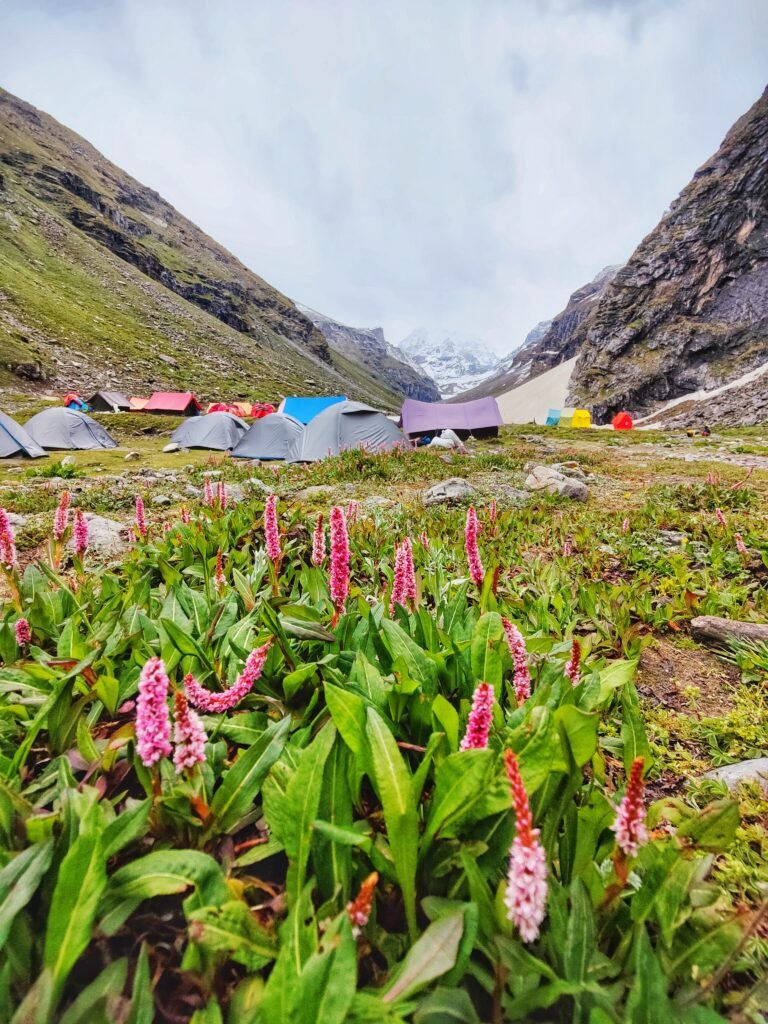
- Riverside Campsites: Most campsites on this trail are located right next to rivers, providing easy access to water and a comfortable setup.
- Manageable Trekking Distance
The physical distance covered per day determines how exhausting a trail will be. Some advanced trails require walking 14 to 17 kilometers in a single day, which can break a beginner’s stamina. While the Hampta Pass Trek usually involves walking shorter distances each day that is 7 to 8 km making it easier for beginners to manage their energy and enjoy the journey without feeling overly exhausted.
- Food Outlets / Dhabas: During the Hampta Pass trek you will find a few local dhabas on Day 1, Day 2, and Day 4/5. However, on Day 3,which is The Summit Day,there are no food outlets available on the trail. So, it is always a good idea to carry essential snacks like energy bars, dry fruits, chocolates, or biscuits to keep your energy levels up during the trek.
and Day 4/5 of the itinerary. However, during the core trekking days (Day 2 and Day 3), there are no commercial shops or hotels. So, it is a good idea to carry some essential snacks like energy bars, dry fruits, chocolates, or biscuits to keep you your energy levels up during the trek.
So, is Hampta Pass beginner friendly? Yes, without a doubt. It checks all the boxes: safe altitude, gradual climb, shorter walking distances, and plenty of water. It’s the perfect mix of challenge and comfort, giving you a real Himalayan experience without overwhelming you. Although Hampta Pass is beginner friendly but it is still considered as a moderate trek because it involves steep ascents, river crossings, and trekking over snow patches depending on the season. So we strongly recommend atleast 4 to 6 weeks of physical preparation before the trek. Your training should include:
- Jogging or running for 30–45 minutes daily
- Stair climbing
- Squats and lunges
- Core strengthening exercises
With the right preparation and a positive mindset, Hampta Pass can easily become one of the most beautiful experiences of your life.