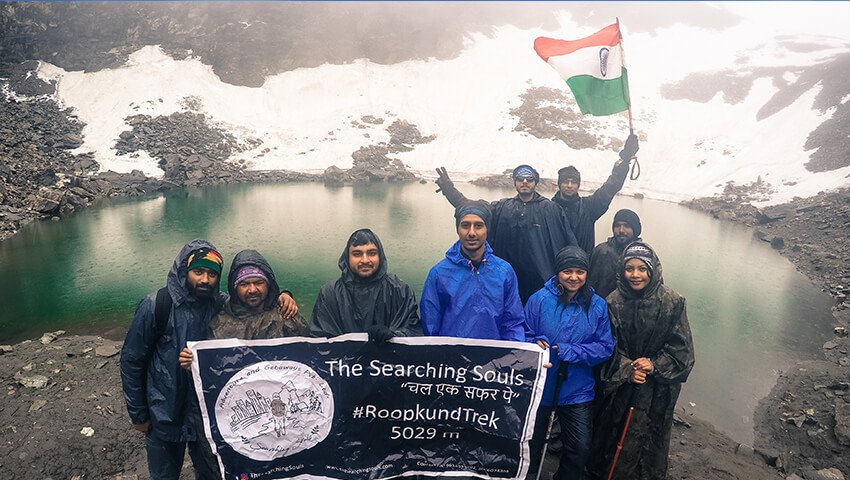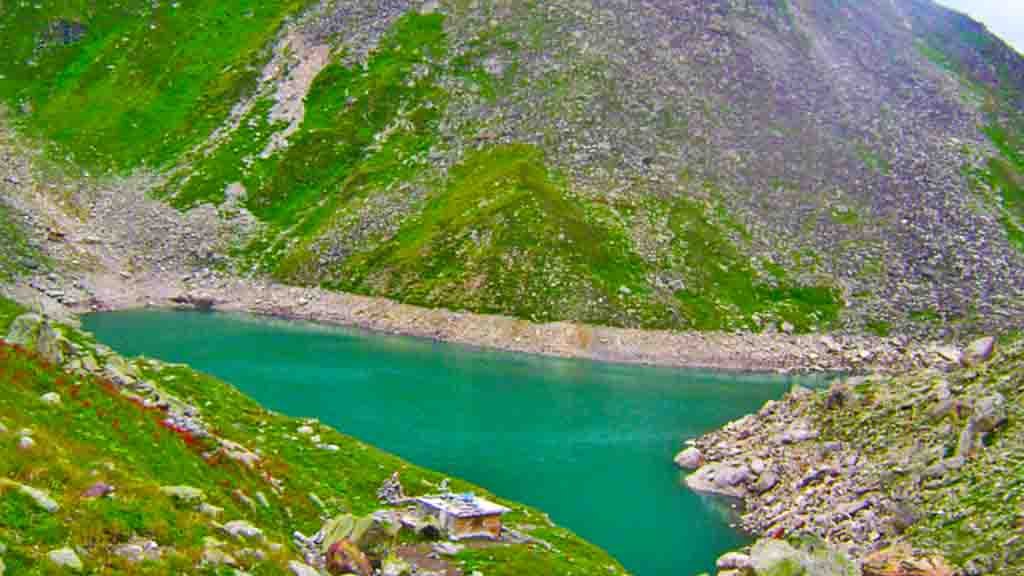
Is Roopkund Trek for You?
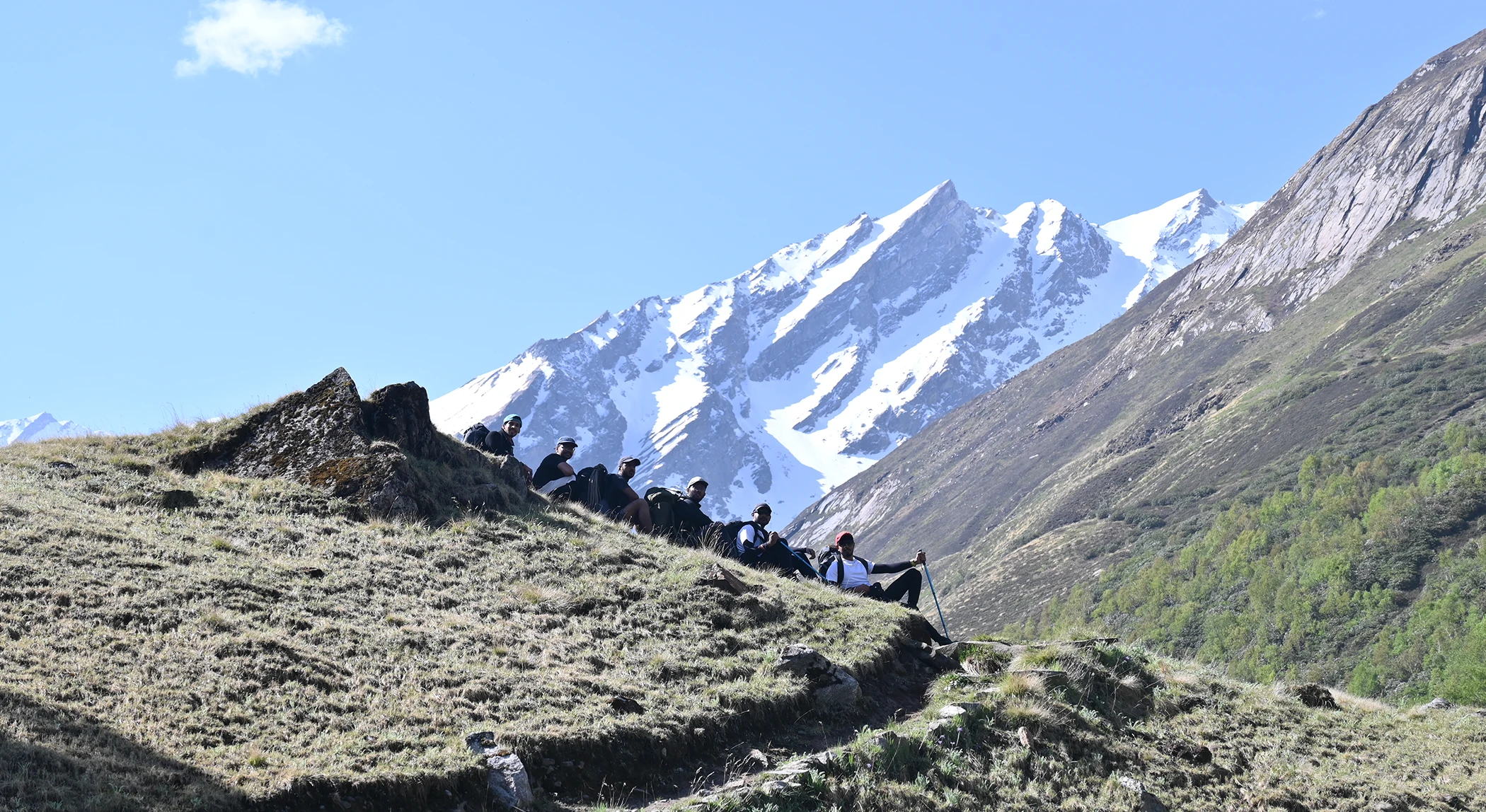
Roopkund Trek is a hard and exciting adventure, not just a simple walk.
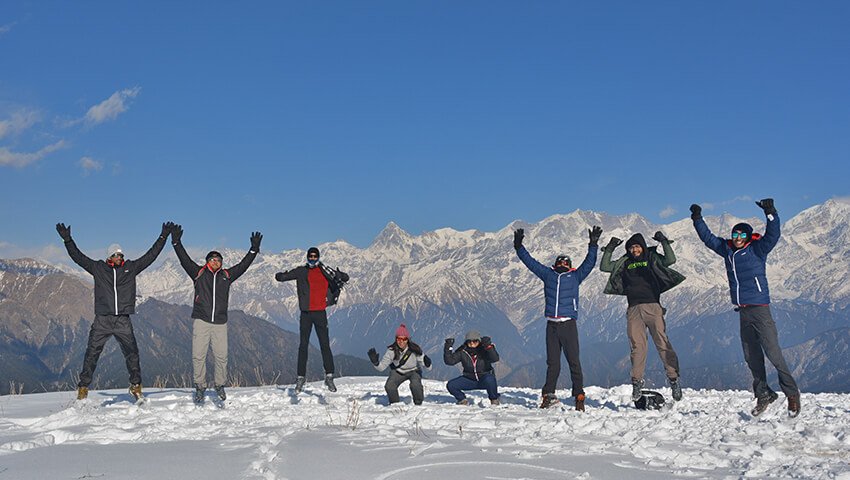
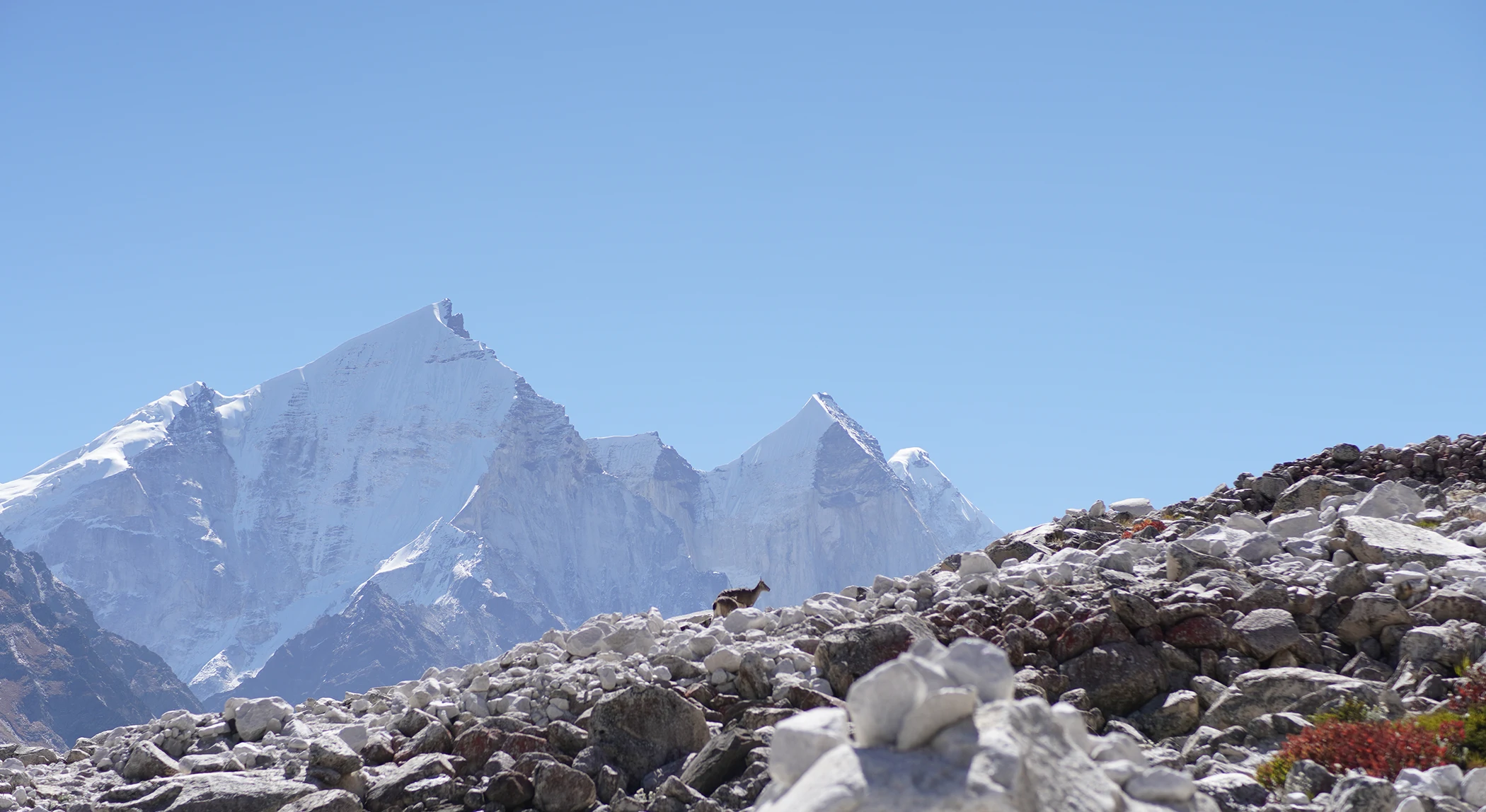
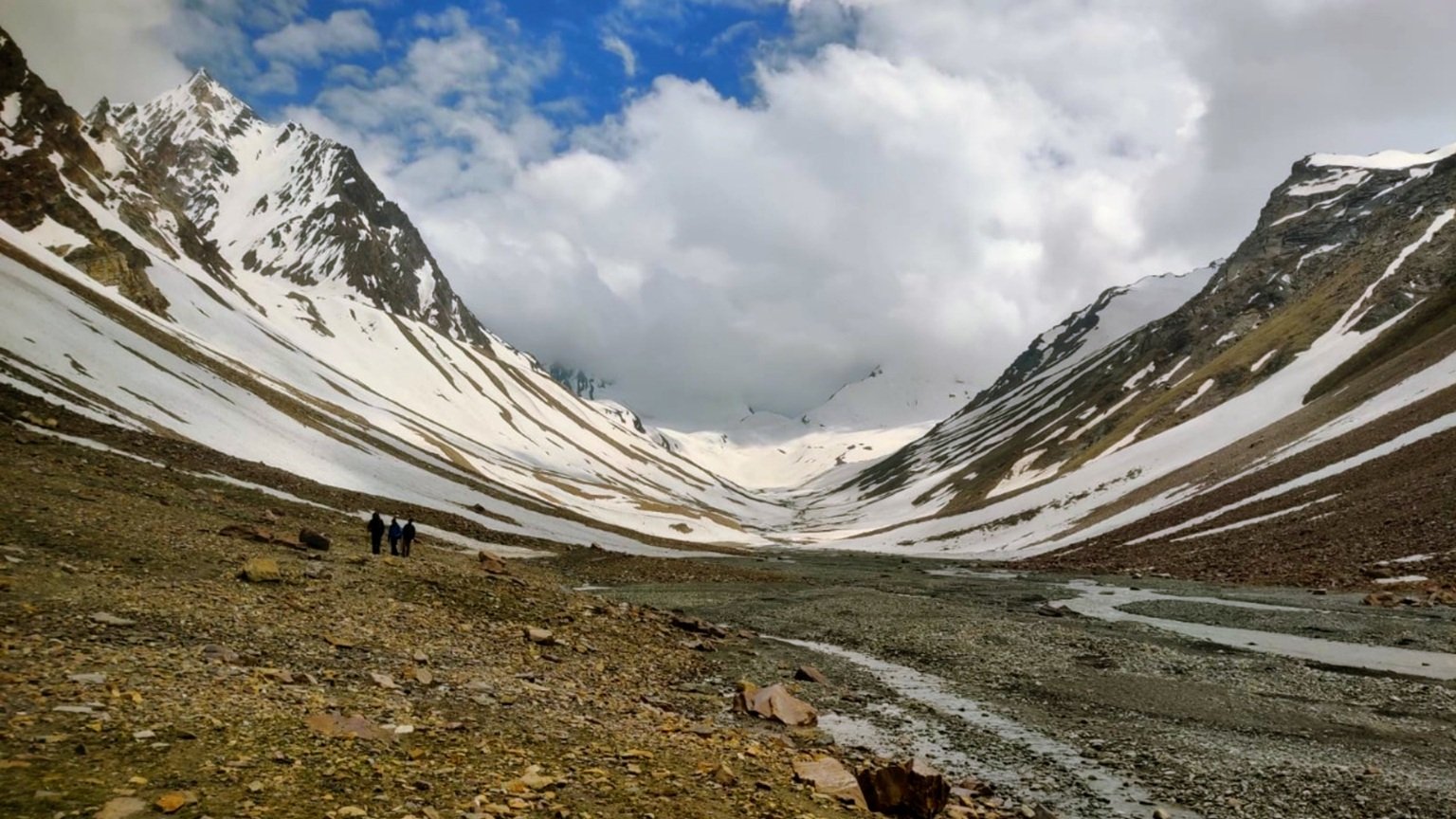
It is ideal for trekkers who enjoy challenging trails, changing landscapes, high-altitude environments and the feeling of discovering something far away from the ordinary.
However, Roopkund Trek requires preparation. Work on your cardiovascular fitness before the trek, carry appropriate trekking gear, stay hydrated and listen to your trek leader when it comes to adaptation and safety.
The mountains require preparation.
Why Was the Roopkund Trek Banned?
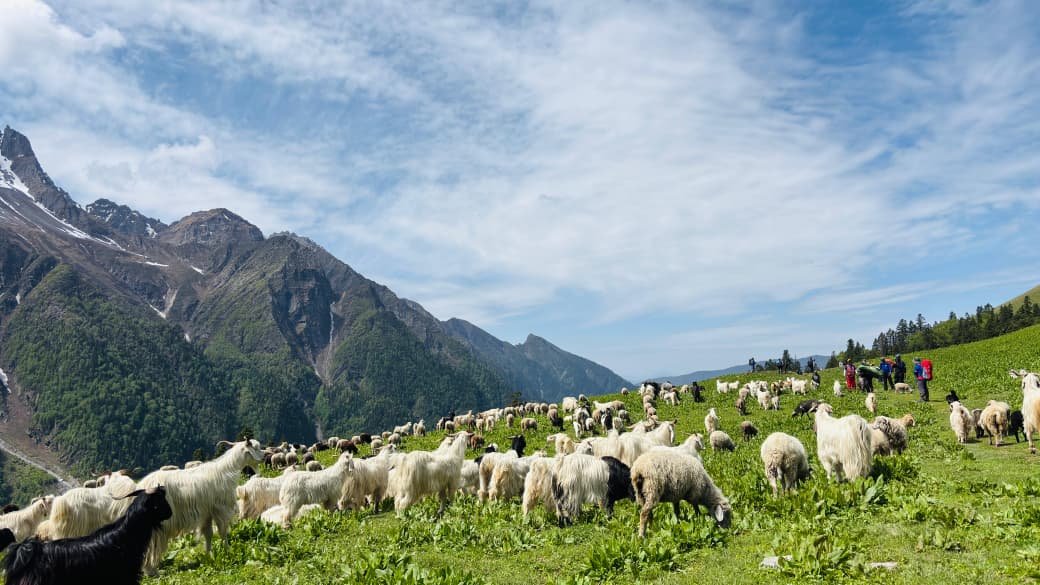
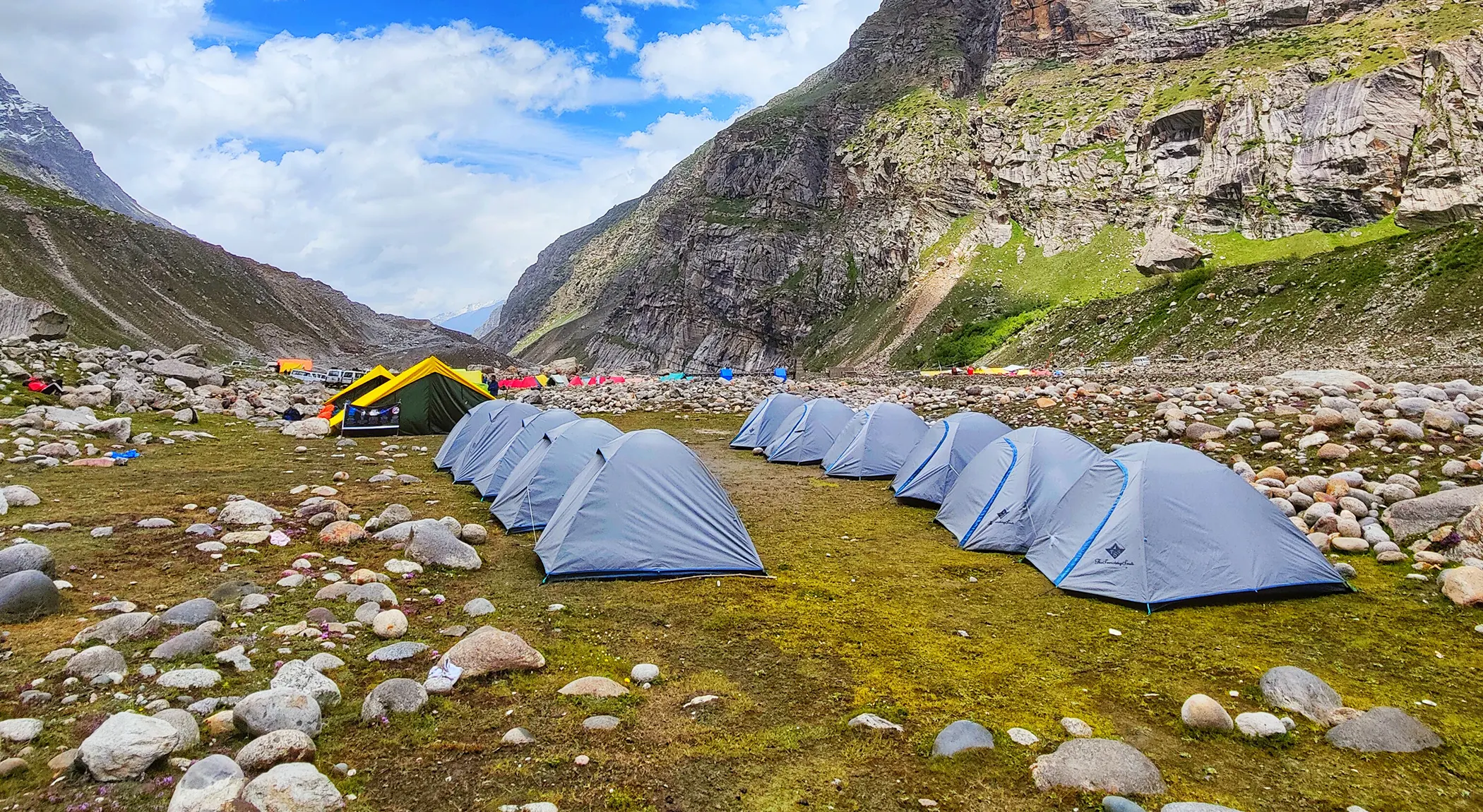
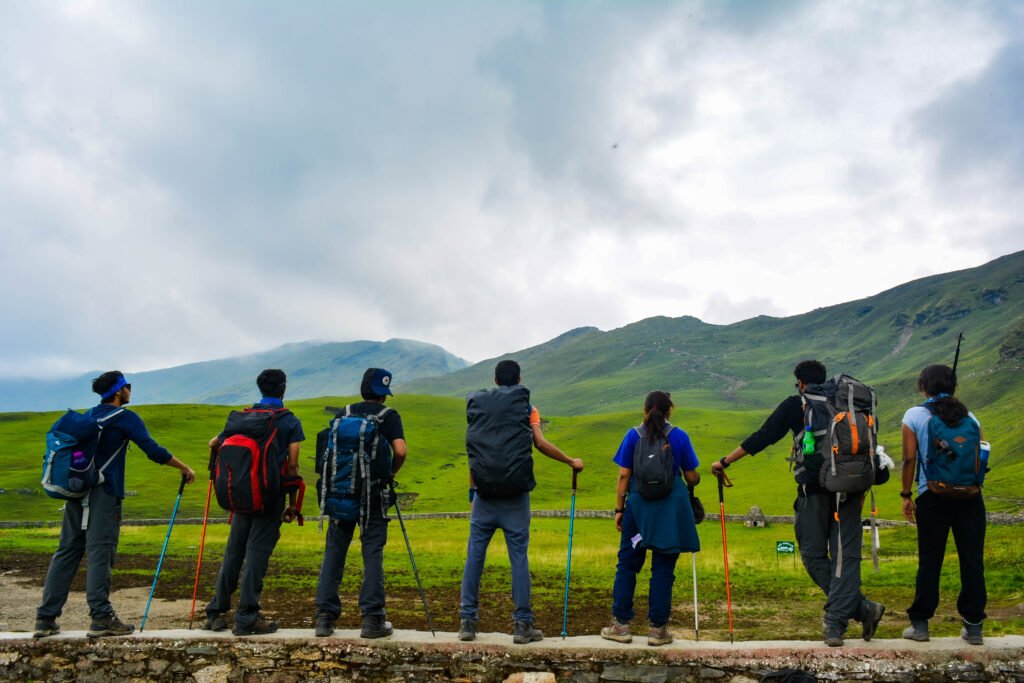
Roopkund was previously one of the most popular high-altitude treks in Uttarakhand, but the traditional route was brought to a halt in 2018 due to concerns regarding the growing impact of tourism on the delicate Aali, Bedni and Bagzi Bugyals.
The meadows at high altitude were suffering due to overcamping, littering and rising numbers of tourists.
The Uttarakhand High Court ordered measures to protect these delicate ecosystems, which included putting a restriction on overnight camping in the Bugyals and limiting the number of visitors.
Rangers banned camping in the meadows. This rule stopped people from doing the classic Roopkund trek safely. Because of this, groups stopped leading trips there.
For many years, trekkers were still able to visit places like Ali and Bedni Bugyal, but the well-known trek all the way to Roopkund Lake was no longer available in the traditional way.
How Did the Roopkund Trek Start Again?
For many years there had been a state of uncertainty, but this changed in July 2026 when the Supreme Court cancelled several of the previous restrictions, among these being the ban on overnight camping in the Bugyals.
The traditional Roopkund route could then be replanned, provided that the relevant forest, environmental and local permissions were obtained.
This implies that for trekkers the famous route leading to Bedni Bugyal, Bhagwabasa and Roopkund can now again be included in an organised Himalayan trekking journey.
With the reopening there is also a significant responsibility. The Bugyals remain delicate ecosystems and the problems which caused the restrictions have not gone away, so the return to Roopkund should be accompanied by responsible trekking, adequate waste management and respect for the environment.
Once again, after almost eight years, Roopkund is drawing the interest of trekkers—and this time the expectation is that the revival will be more sustainable.
Conclusion
Prepared to uncover the mystery of Roopkund? Grab your backpack, strengthen your legs, and gear up for one of the most memorable Himalayan experiences in Uttarakhand with The Searching Souls.