Is The Brahmatal Trek Beginners Friendly?
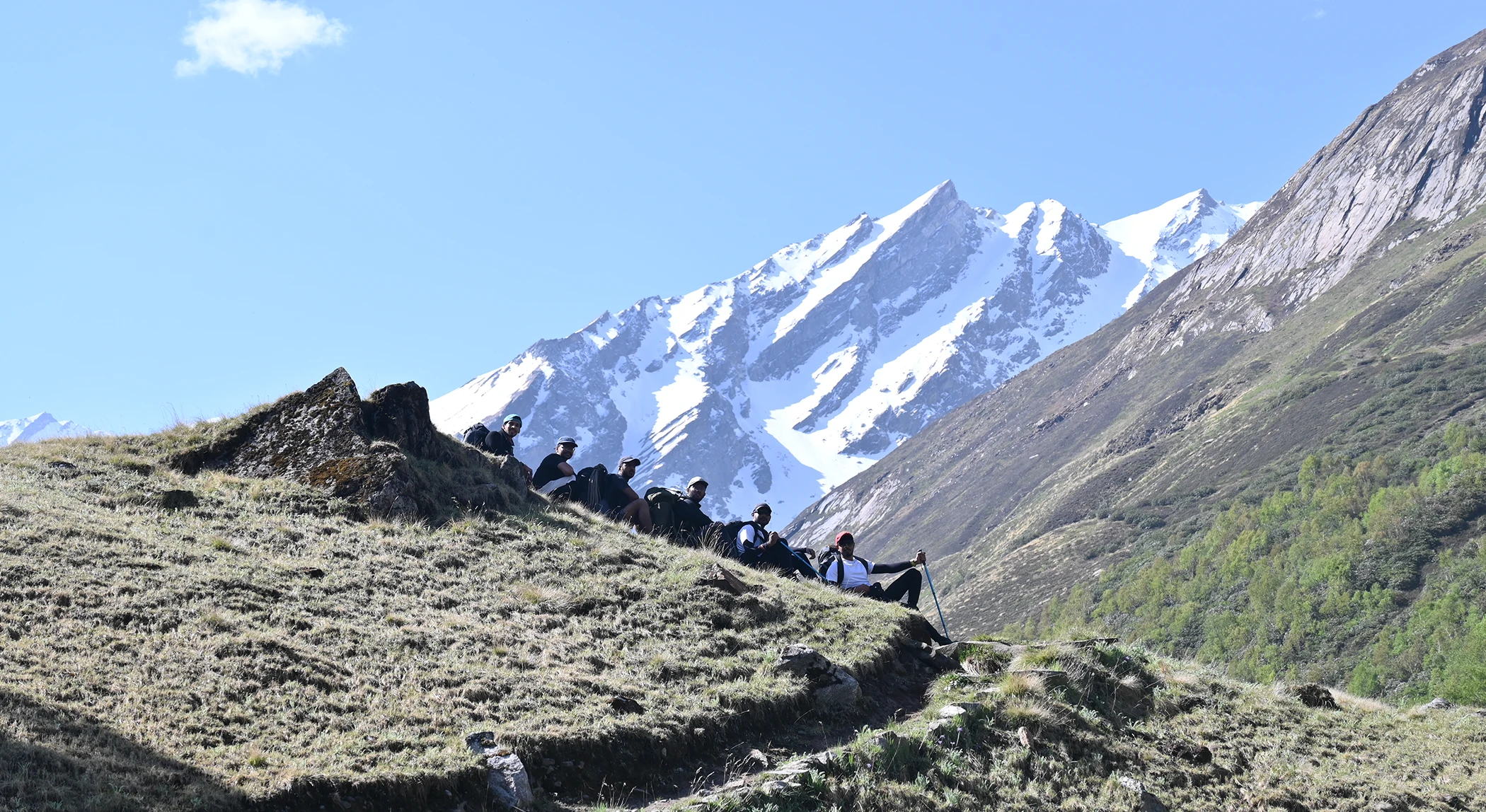
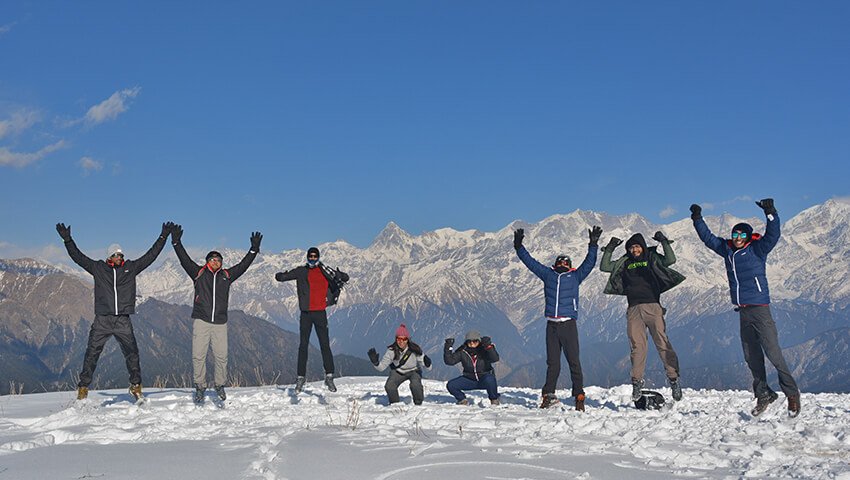
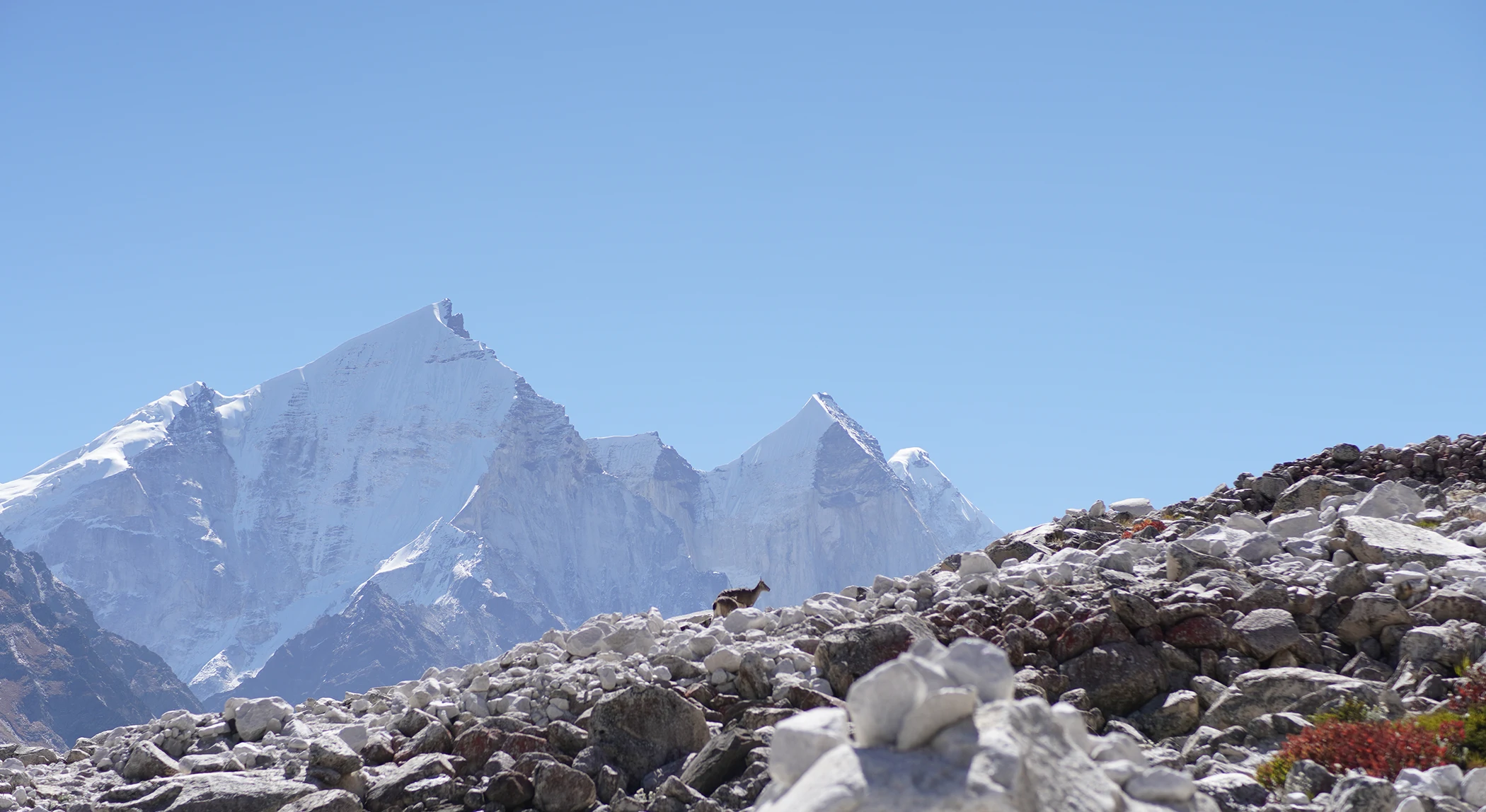
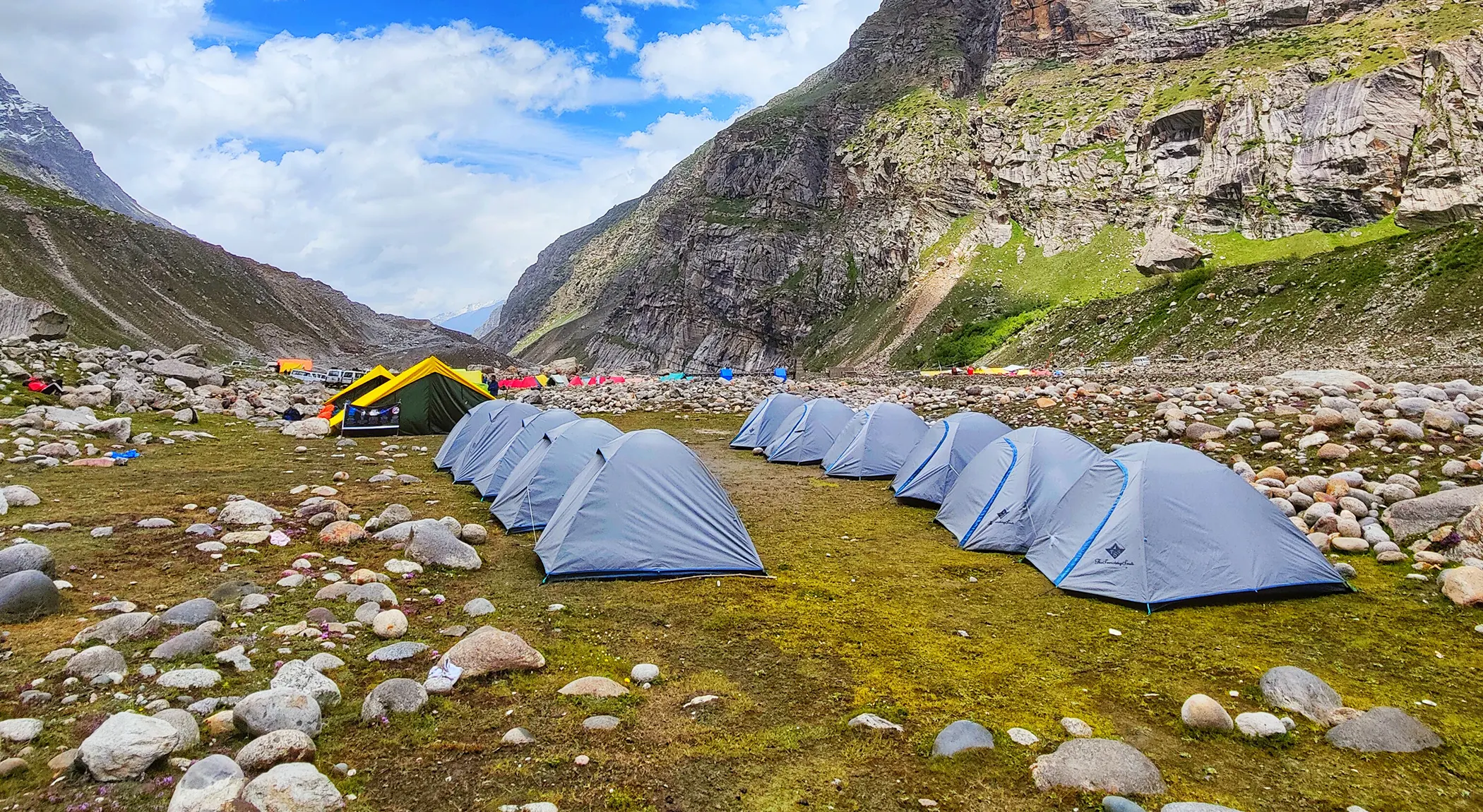
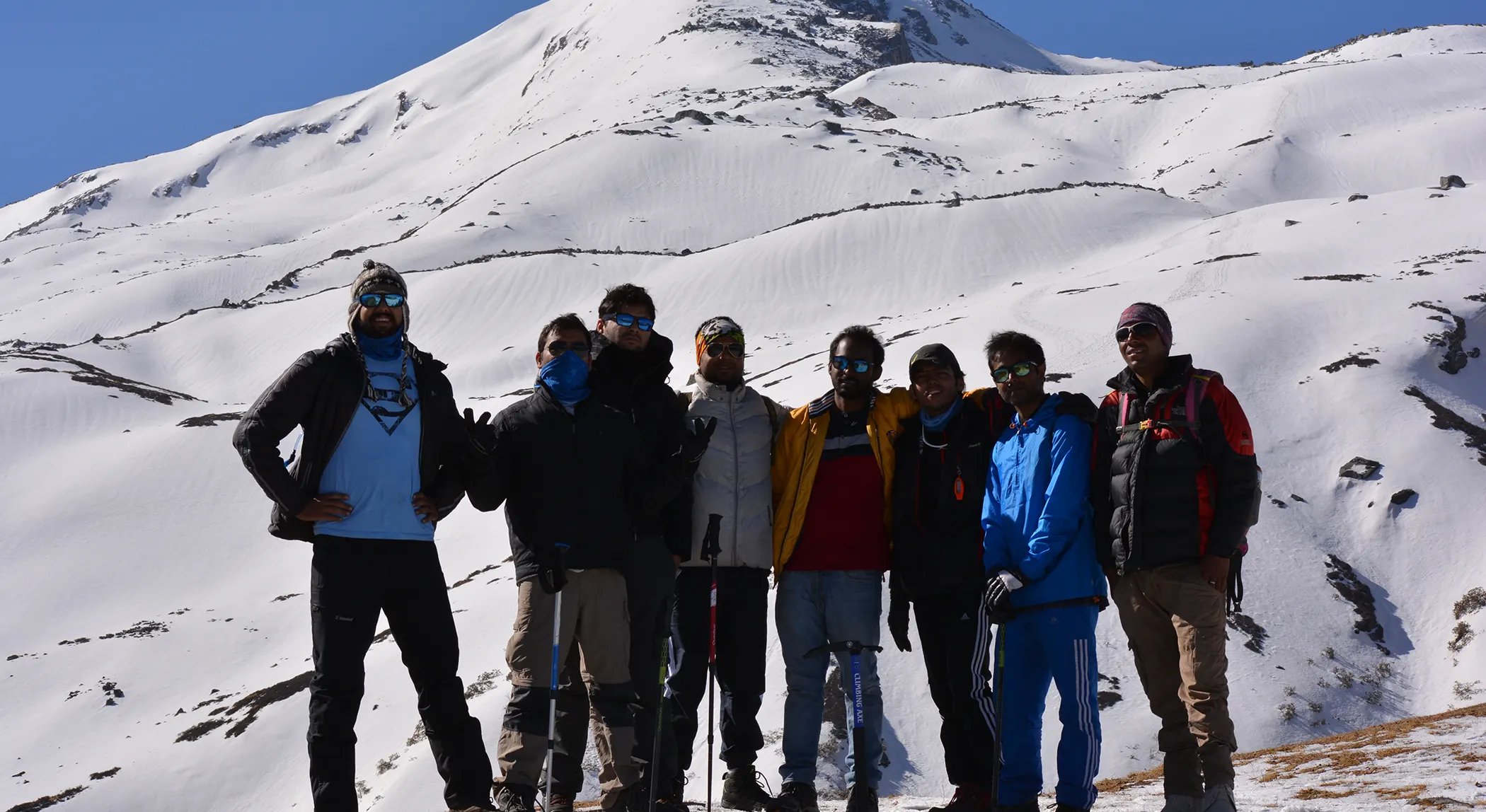
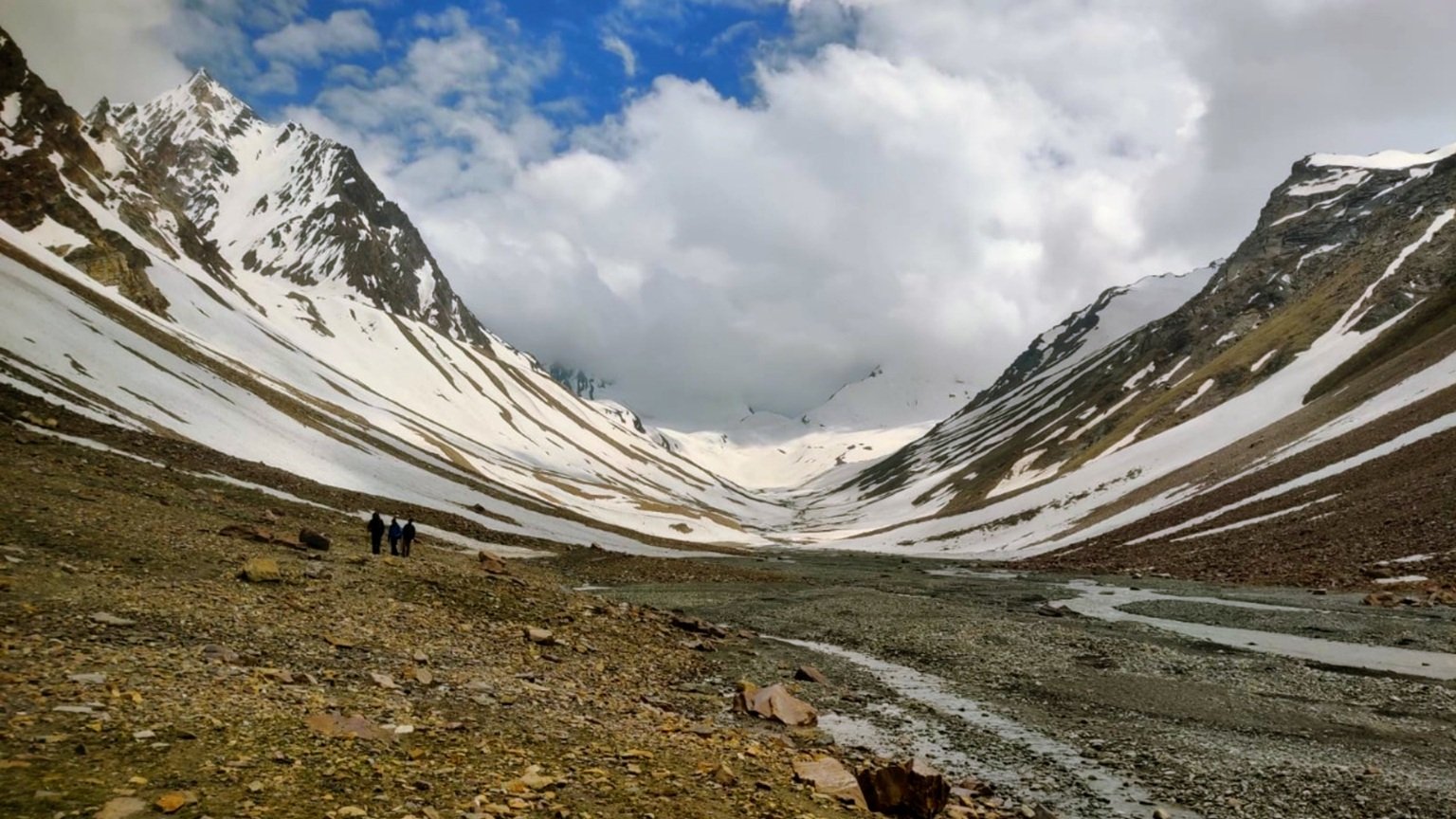
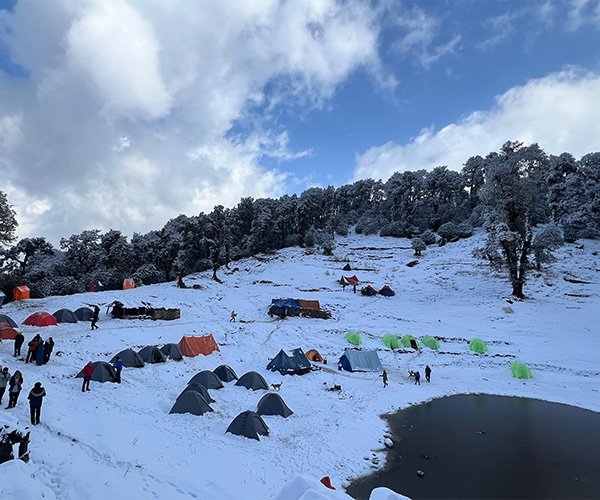
Brahmatal Trek is one of the most beautiful winter treks in the Indian Himalayas. Snow-covered forests, frozen lakes, wide mountain views, and peaceful campsites make it a dream destination for many trekkers.
But before planning any trek, there’s one question that almost every first-time trekker asks, Is it beginner-friendly? The simple answer is yes, however, before deciding, it’s important to understand what makes a trek suitable for beginners.
The difficulty of a trek depends on several factors like altitude, trekking distance, weather conditions, trail conditions, and your fitness level. While Brahmatal is considered as an easy to moderate-level trek, it is also one of the best Himalayan treks for beginners who are physically prepared.
In this blog, we will understand what makes a trek difficult, Is Brahmatal Trek difficult and how you can make this trek easier for yourself.
Here are the main factors that make a trek beginner-friendly:
1. Difficulty Level
A good beginner trek shouldn’t bemodereateor too difficult. You may have to walk uphill, downhill, and on uneven trails, but you shouldn’t need any climbing or mountaineering experience. If you can walk steadily and enjoy being outdoors, you can usually manage it.
2. Gradual Altitude Gain
One of the most important things to remember while trekking in the mountains is to gain altitude slowly. You should avoid climbing more than 800 meters in a single day. This is a golden rule to keep in mind when choosing a trek.The higher you go, the lower oxygen level become.That’s why it’s important for a trek to gain altitude slowly. A gradual climb gives your body enough time to adjust, making the trek safer and reducing the chances of altitude sickness.
3. Comfortable Daily Distance
Most beginner-friendly treks involve walking around 7 to 8 km a day, apart from the summit day, which is usually more challenging and allows you to push your limits. On regular trekking days, the trail generally takes about 4 to 6 hours, including breaks.This gives you enough time to enjoy the scenery, take photos, and reach the campsite without feeling completely exhausted.
4. No Technical Equipment Needed
A trek is much easier for beginners when it doesn’t require special climbing gear like ropes, harnesses, ice axes, or crampons. A good pair of trekking shoes, warm clothes, and a backpack are usually all you need.
5. Basic Fitness Is Enough
You don’t have to be a professional athlete to complete a beginner-friendly trek. If you have decent stamina and prepare for a few weeks by walking, jogging, climbing stairs, or cycling, you’ll be in a good position to enjoy the trek.
So, Is Brahmatal Trek Beginner-Friendly?
Yes, absolutely.Brahmatal is often considered one of the best winter treks for beginners.
- The trek is neither too easy nor too challenging. It offers the right balance for first-time trekkers who want to experience a Himalayan trek without facing extreme difficulty.
- The trail continues with a gradual ascent and the altitude increases slowly giving your body enough time to adjust. This reduces the chances of altitude-related discomfort compared to treks with a rapid climb.
- Most trekking days involve around 4–7 km of walking, which is manageable for people with a basic level of fitness. There are also regular breaks along the way.
- The Trek is usually completed in 5 days, making it a great option for beginners and working professionals who want to experience a Himalayan winter trek without taking a long vacation.
How Can You Prepare for Brahmatal Trek?
Proper preparation can make your trekking experience safer and more enjoyable. Here are some important preparation tips:
- Improve Your Fitness Before The Trek
Start training at least 4–6 weeks before your trek.
Include:
- Daily walking or jogging
- Stair climbing exercises
- Squats and lunges for leg strength
- Cardio workouts for stamina
- Breathing exercises
Try to build the ability to walk continuously for several hours.
- Practice Walking With a Backpack
During the trek, you will carry a backpack with essential items. Practicing with a loaded backpack helps your body adjust to the extra weight.
- Carry Proper Trekking Gear
The right equipment can reduce the challenges of high-altitude trekking.
Important items include:
- Warm layers of clothing
- Waterproof trekking shoes
- Woolen socks
- Gloves and a warm cap
- Sunglasses and sunscreen
- Stay Hydrated and Eat Properly
Cold weather can reduce your feeling of thirst, but staying hydrated is extremely important at high altitude.
Eat nutritious meals and carry energy snacks to maintain your strength during trekking hours.
- Prepare Mentally
Mountain trekking requires patience and a positive mindset. Weather changes, tiredness, and difficult sections are part of the experience.A calm approach and consistent pace can help you complete the trek comfortably.