What To Pack For Har Ki Dun Trek
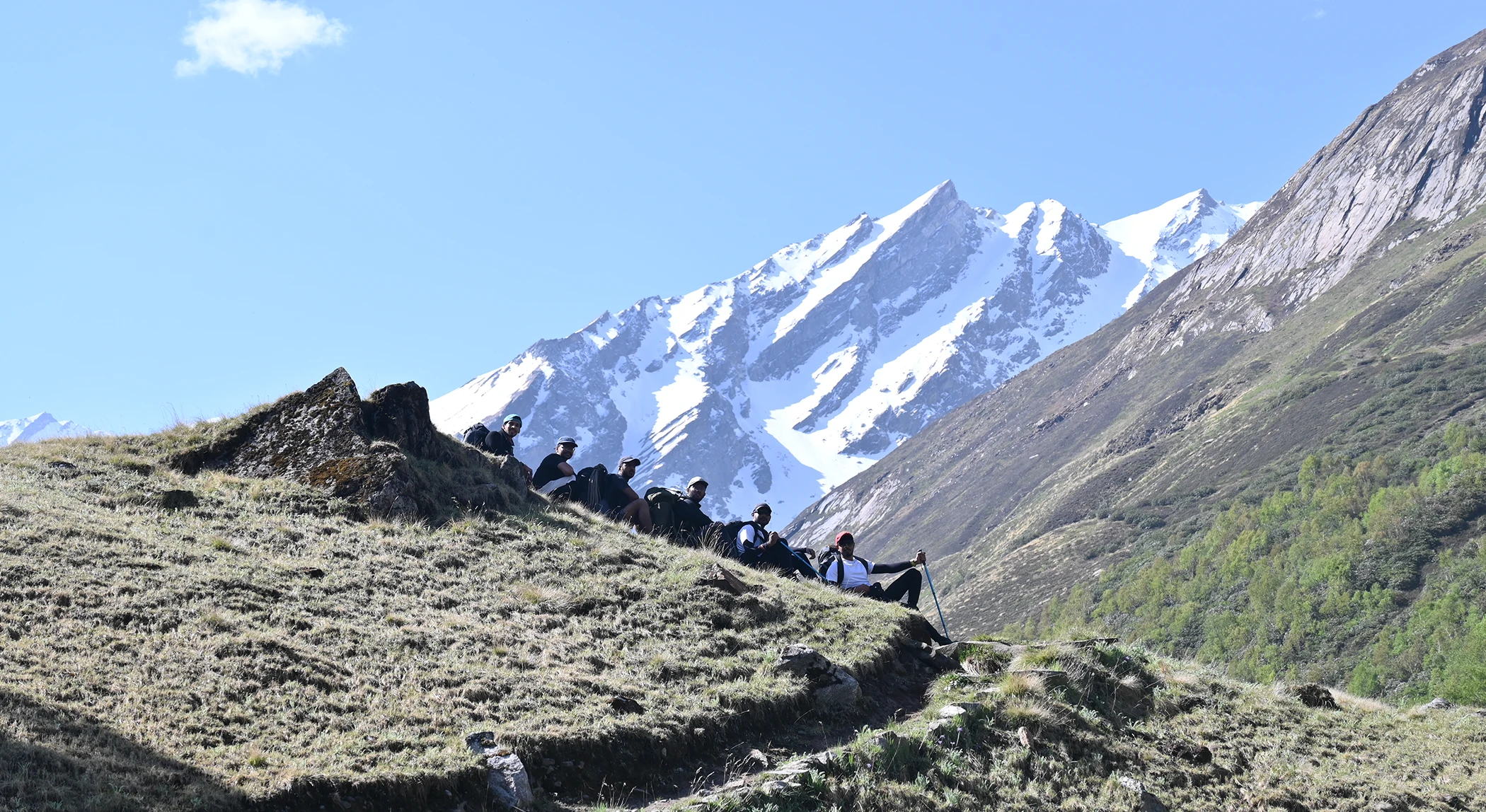
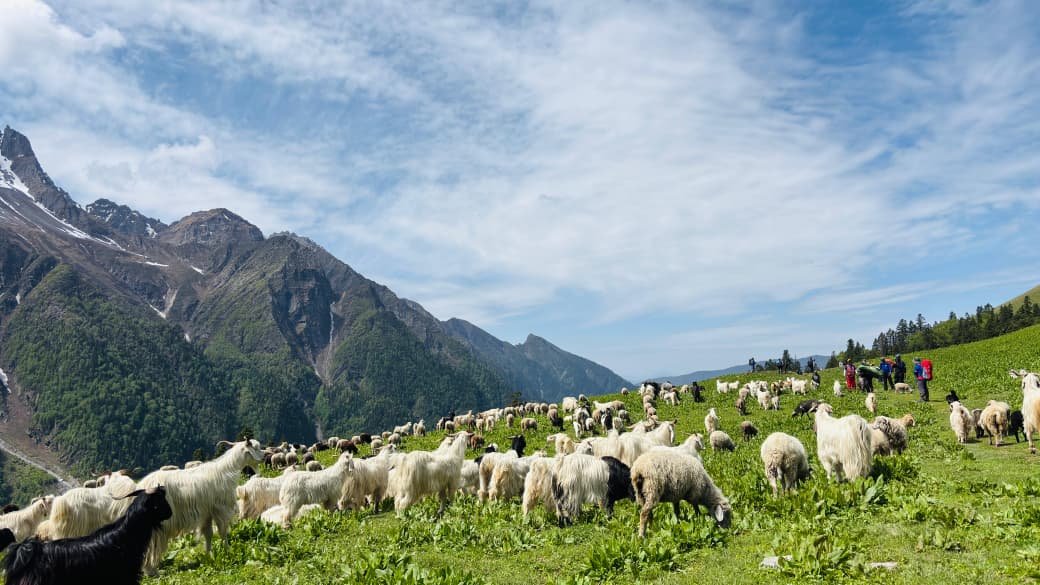
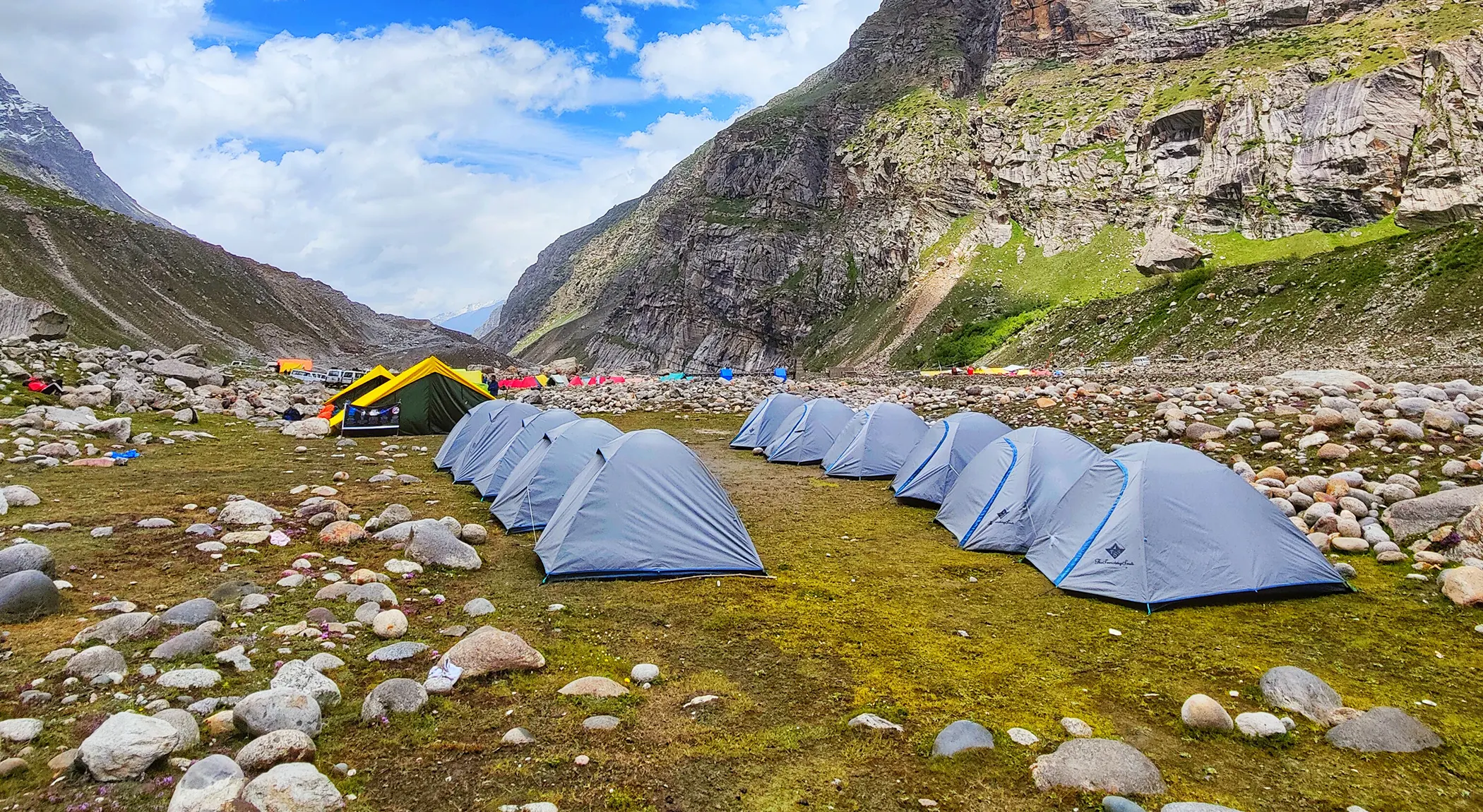
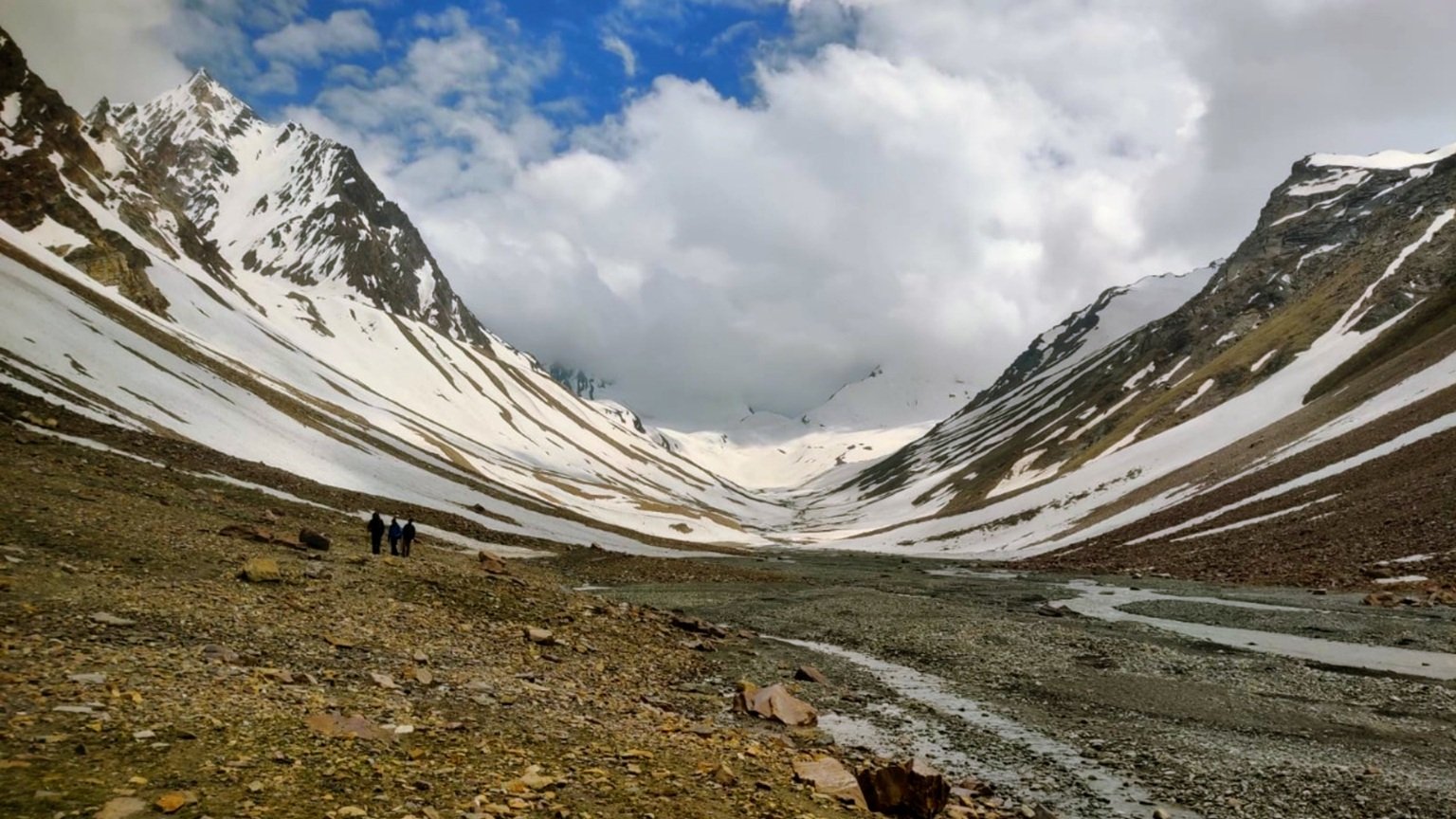
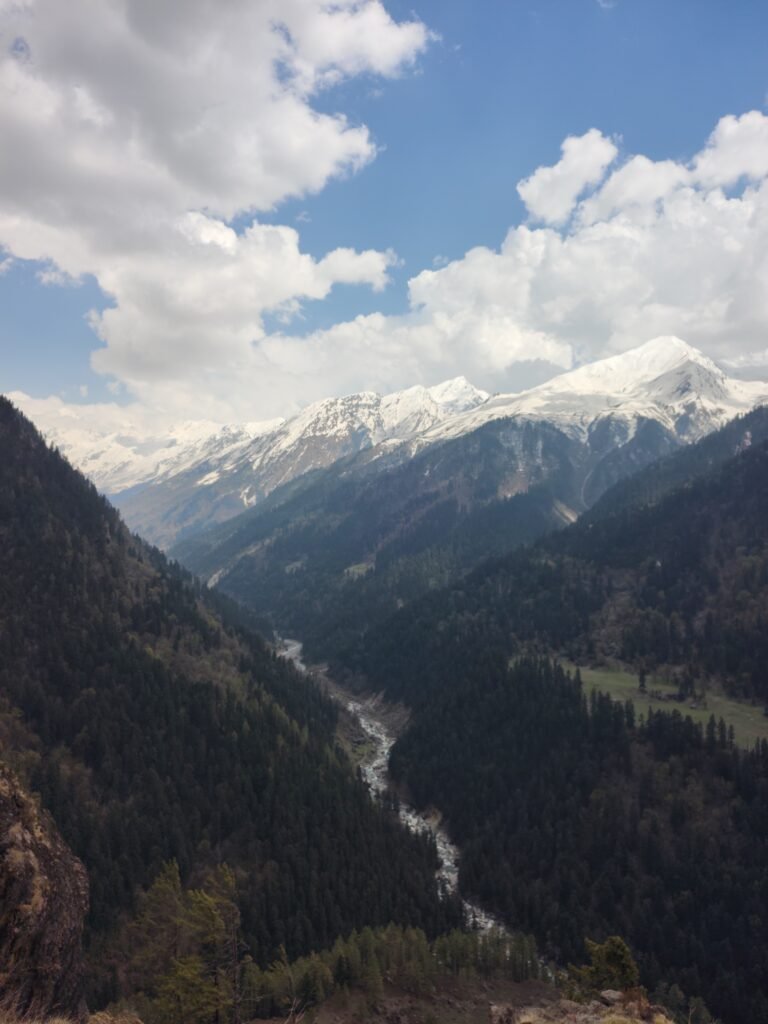
Har Ki Dun trek is one of Uttarakhand’s most beautiful Himalayan treks, known for its ancient villages, lush pine forests, alpine meadows, and breathtaking mountain views. Nestled at an altitude of around 12,000 feet, the trek offers a perfect blend of natural beauty, rich culture, and adventure.
Suitable for both beginners and experienced trekkers, the Har Ki Dun Trek can be enjoyed in different seasons, with each offering a unique landscape. In this blog we will talk about everything that you need to carry before doing Har Ki Dun Trek.
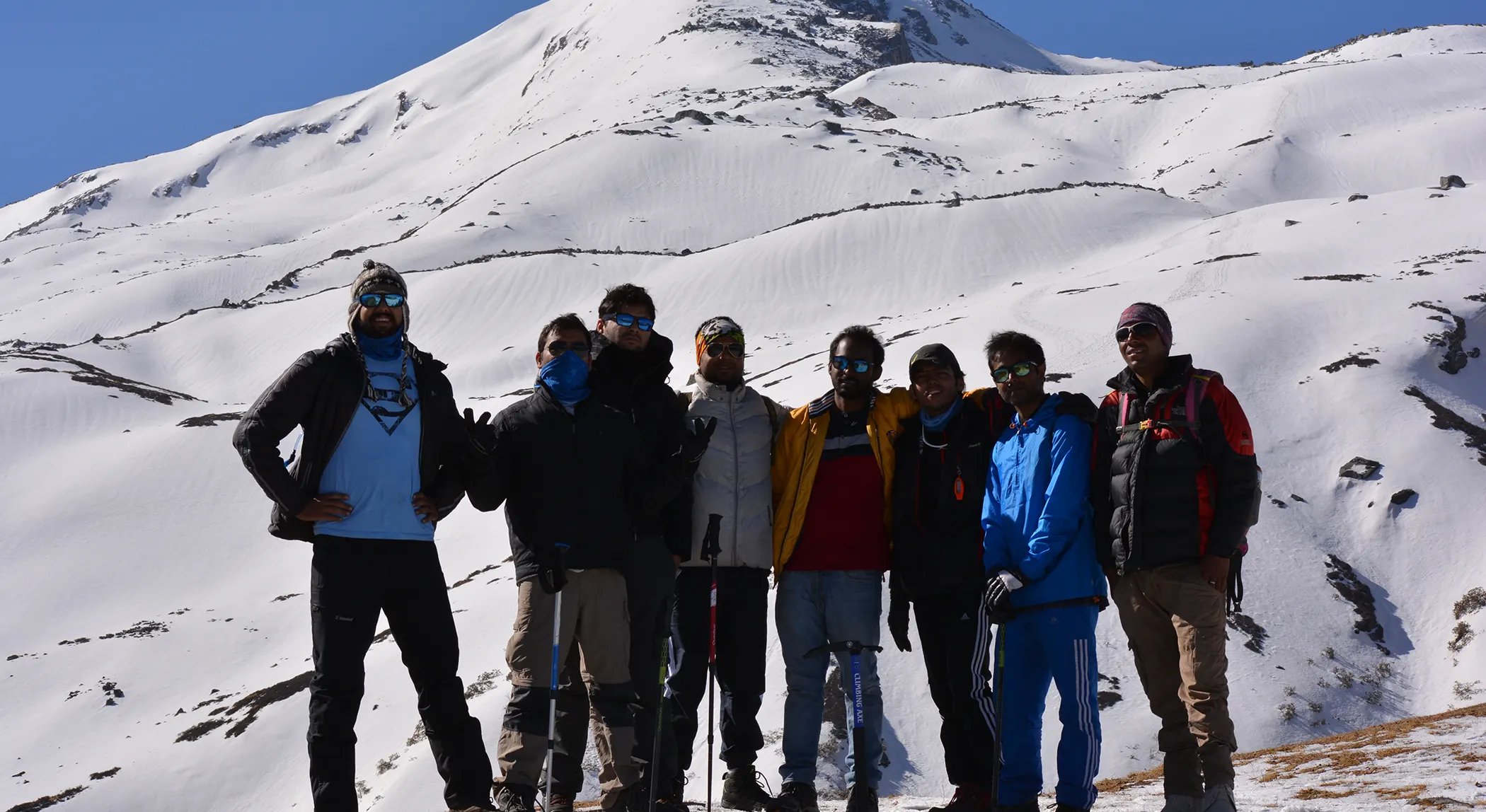
A well-planned backpack helps you:
- Stay warm in freezing temperatures
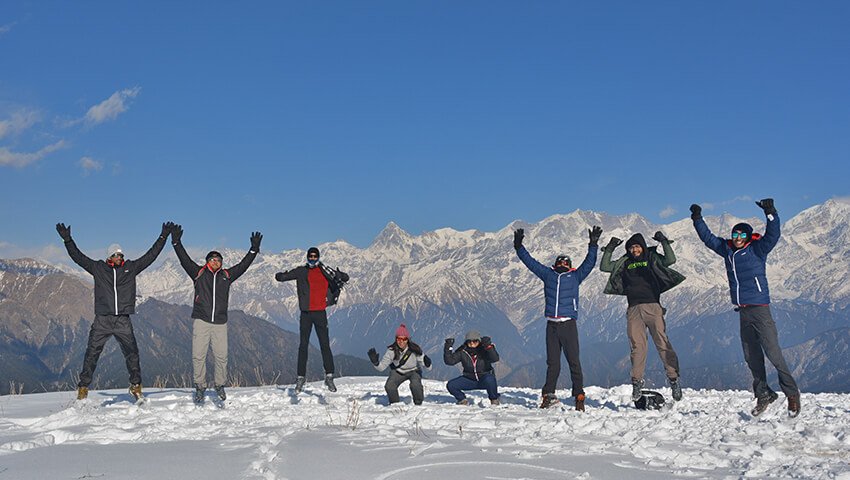
- Protect yourself from snow and rain
- Reduce discomfort during long trekking days
- Maintain energy levels throughout the trek
- Handle basic emergencies on the trail
Let’s look at the complete list of things you should pack for the Harki dun Trek.
Basic Trek Essentials for Harki dun Trek
- Rucksack (55–65 L): A comfortable rucksack to carry all your gear. A 60-70 litre bag is the ideal size for most treks.
- Summit Bag (15–20 L): A small daypack for carrying your packed lunch, water, and other essentials.
- Rain Cover : Keeps your backpack and belongings dry during rain.
- Poncho or Raincoat: Protects you from rain and changing weather.
- Trekking Pole: Help improve balance and reduce strain on your knees, especially while walking downhill.
- Waterproof Trekking Shoes: Wear comfortable trekking shoes with good grip and water resistance for comfort and safety on all types of trails.
- Head Torch: A hands-free light for early morning starts, late evening walks, or emergencies.
Clothing
Carry separate clothes for trekking during the day and resting at night. Trekking clothes may become sweaty, so having dry clothes for the campsite helps you stay warm and comfortable.
- 3 Dry-fit T-shirts: Quick-drying and breathable T-shirts that help manage sweat during long trekking days. Avoid cotton because it stays wet and can make you feel cold.
- 2 Trek Pants (one for trek, one as backup): Lightweight and comfortable trekking pants allow easy movement. Carrying an extra pair is useful in case your main pants get wet or dirty.
- A Pair of Thermals: Thermal innerwear helps retain body heat during cold mornings and nights. They work as a base layer under your trekking clothes.
- 1 Fleece Jacket: A warm mid-layer that provides insulation while allowing your body to breathe. It is useful during chilly evenings and colder sections of the trek.
- 1 Down Jacket: A highly insulating jacket that keeps you warm in freezing temperatures, especially at campsites and during cold nights.
- 1 Windcheater: A lightweight outer layer that protects you from strong winds and light rain. It helps prevent heat loss in exposed areas.
- 1 Pair of Gloves (Woolen + Waterproof): Woolen gloves provide warmth, while waterproof gloves protect your hands from snow, rain, and cold winds.
- 1 Woolen Cap + 1 Sun Cap or Buff: A woolen cap keeps your head and ears warm in cold weather. A sun cap or buff protects you from sunlight, dust, and wind during the day.
- 5–6 Pairs of Socks (Including 1–2 Woolen Pairs): Extra socks help keep your feet dry and comfortable. Woolen socks provide additional warmth at night and in colder temperatures.
- Sun Hat and Sunglasses: A sun hat protects your face from strong sunlight, while UV-protected sunglasses protect your eyes from harmful rays and glare.
- Extra Lowers for Night: Comfortable pants or lowers to wear at the campsite. Keeping separate night clothes helps you stay warm and relaxed after trekking.
Personal Utilities
- UV-Protected Sunglasses: Protect your eyes from strong sunlight, especially at higher altitudes where UV exposure is stronger.
- Hand Towel: A lightweight towel useful for wiping sweat, drying hands, or freshening up during the trek.
- Sunscreen Lotion (Minimum SPF 30): Protects your skin from sunburn and harmful UV rays. Apply regularly, especially during daytime trekking.
- Moisturiser: Cold mountain air can make your skin dry and rough. A moisturizer helps prevent dryness and keeps your skin comfortable.
- Water Bottle or Hydration Bag: Staying hydrated is important during high-altitude trekking. Carry a reusable bottle or hydration bladder for easy access to water.
- Basic First Aid Kit: Useful for handling minor problems such as blisters, small cuts, headaches, or stomach issues. Include personal medicines if required.
- Energy Bars: Provide quick energy during long trekking days. They are lightweight and easy to eat while walking.
Toiletries
- Toilet Paper Rolls
Carry your own toilet paper as it may not always be available at campsites or mountain rest areas. - Towels
A lightweight quick-dry towel is useful for bathing and maintaining hygiene during the trek. - Wet Wipes
Helpful for freshening up when water availability is limited. - Sanitizing Toilet Spray
Keeps shared toilet areas cleaner and more hygienic. - Soap and Handwash
Important for maintaining cleanliness and preventing the spread of germs, especially before meals. - Toothpaste and Toothbrush
Essential for daily oral hygiene during the trek.
Packing Hacks for Har Ki Dun Trek
Packing smart can make your Har Ki Dun Trek much easier and more comfortable. These simple hacks will help you save space, keep your gear organized, and carry only what you need.
· Pack clothes in layers: Instead of carrying one bulky jacket, pack lightweight layers like thermals, fleece, and a down jacket. This helps you adjust easily to changing temperatures.
· Keep a separate daily essentials pouch: Store items like sunscreen, sunglasses, snacks, medicines, lip balm, and a head torch in an easily accessible pocket.
· Use waterproof covers for important items: Keep your phone, camera, power bank, and documents inside zip-lock bags or waterproof pouches to protect them from rain and snow.
· Roll your clothes instead of folding: Rolling clothes saves space and helps avoid unnecessary wrinkles inside your backpack.
· Wear your heaviest items while travelling: Wear your trekking shoes, fleece jacket, or heavier layers during the journey to reduce backpack weight.
· Pack your backpack according to usage: Keep frequently used items like rain gear, snacks, water bottle, and gloves on top or in side pockets. Less-used items can go at the bottom.
A well-organized backpack makes your trek smoother, allowing you to focus more on the beautiful valleys, forests, and Himalayan views of Har Ki Dun.