What to Pack For Kashmir Great Lakes Trek
Planning the Kashmir Great Lakes Trek ? Packing the right gear is one of the most important steps in ensuring a safe, enjoyable, and successful trekking experience. Whether you’re a first-time trekker or an experienced one, having the right clothing, equipment, and essentials will help you tackle changing weather, rugged trails, and long trekking days with confidence.
This blog covers what to pack for the KGL Trek, including clothing, footwear, trekking gear, personal items, and expert packing tips to help you prepare for your Himalayan adventure.
Essential Trek Gear for KGL Trek
- Rucksack (55–65 L): A comfortable rucksack to carry all your gear. A 60-70 litre bag is the ideal size for most treks.
- Summit Bag (15–20 L): A small daypack for carrying your packed lunch, water, and other essentials.
- Rain Cover : Keeps your backpack and belongings dry during rain.
- Poncho or Raincoat: Protects you from rain and changing weather.
- Trekking Pole: Help improve balance and reduce strain on your knees, especially while walking downhill.
- Waterproof Trekking Shoes: Wear comfortable trekking shoes with good grip and water resistance for comfort and safety on all types of trails.
- Head Torch: A hands-free light for early morning starts, late evening walks, or emergencies
Clothing
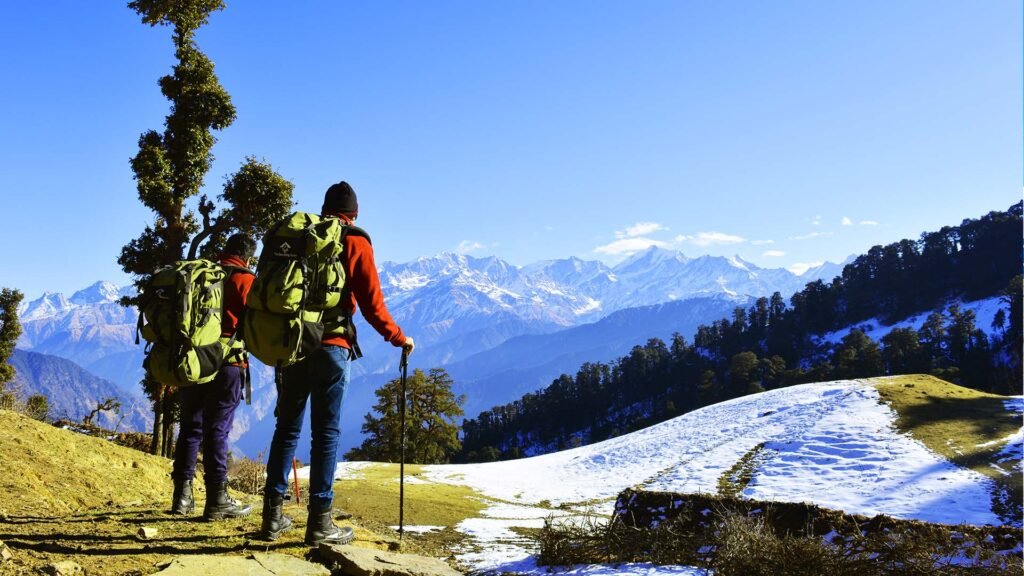
We recommend carrying separate clothing for daytime trekking and nighttime to stay comfortable in changing weather conditions.
- 2-3 Dry-fit T-shirts
- 2 Trek pants (one for trek, one as backup)
- A Pair of Thermals
- 1 Fleece Jacket
- 1 Down Jacket
- 1 Windcheater
- 1 pair of gloves (woolen + waterproof)
- 1 Woolen cap + 1 Sun cap or Buff
- 5-6 pairs of socks (include 1-2 woolen)
- Sun hat and Sunglasses
- Extra Lowers for Night
Personal Utilities
- Sun Glasses ( UV Protected )
- Hand Towel
- Sun Screen Lotion (Min SPF- 30 min)
- Moisturiser
- Water bottle or Hydration Bag
- Basic First Aid
- Energy Bars
Toiletries
- Toilet paper rolls
- Towels
- Wet wipes
- Sanitizing Toilet Spray
- Soap and Handwash
- Tooth Paste and Tooth Brush
What Not to Pack for the Pindari Glacier Trek
Packing light is just as important as packing the right gear. Carrying unnecessary items can make your backpack heavier and the trek more tiring. Avoid packing the following:
- Heavy cotton clothing: Cotton absorbs sweat, dries slowly, and can make you feel cold. Choose quick-dry or moisture-wicking fabrics instead.
- Jeans or denim: They are heavy, uncomfortable for trekking, and take a long time to dry if they get wet.
- Extra footwear: Apart from your trekking shoes and a pair of lightweight camp slippers (if needed), avoid carrying additional shoes.
- Valuables and expensive jewelry: Leave unnecessary valuables at home to avoid loss or damage.